Table of Contents (15 sections)
The retail landscape is continuously evolving, and smart shop features are at the forefront of this change. These innovations aim to enhance the customer experience, streamline operations, and ultimately boost sales. Today, we'll explore ten cutting-edge features that can transform your retail environment.
1. Interactive Digital Displays
With the advent of smart shopping, interactive digital displays have emerged as a revolutionary tool in retail. These displays can showcase products, provide engaging animations, or even host customer testimonials. For instance, many stores are now utilizing touchscreens to allow customers to interact with their products virtually. According to Deloitte, retailers that use digital displays can increase sales by up to 30%. Furthermore, these systems can be updated in real-time to reflect current stock levels or promote special offers, enhancing the overall shopping experience.
2. Smart Checkout Solutions
Long checkout lines can deter customers, but smart checkout solutions are changing this narrative. Mobile payment solutions, like contactless payments or self-checkout kiosks, are now commonplace. These systems reduce wait times significantly, improving customer satisfaction. Brands like Amazon have pioneered the cashier-less shopping experience, allowing customers to grab items and leave without traditional checkout. This has led to increased foot traffic and higher sales conversion rates.
3. Augmented Reality (AR) Shopping
AR technology is allowing customers to visualize products in their own space before buying. For instance, furniture retailers like IKEA utilize AR apps to show how a sofa would look in a customer’s living room. This not only enhances the shopping experience but also decreases product returns, as customers make more informed decisions. Research indicates that offering AR can lead to a 24% increase in conversion rates. Brands investing in this technology can significantly boost customer engagement.
4. Personalized Shopping Experiences
Utilizing data analytics, retailers can offer personalized shopping experiences tailored to individual customers. By analyzing past purchases and browsing behavior, stores like Nordstrom can curate product recommendations, thereby increasing the likelihood of additional purchases. A study from McKinsey found that personalized experiences can increase customer loyalty, with customers returning to shops where they feel their preferences are understood and catered to.
5. AI-Powered Customer Insights
Artificial intelligence is revolutionizing how retailers understand their customers. Utilizing machine learning algorithms, stores can analyze vast amounts of customer data to predict trends and behaviors. For instance, Walmart employs AI to optimize stock levels based on predictive analytics. This not only prevents overstock but ensures that popular items are consistently available, enhancing customer satisfaction and driving sales.
6. Smart Inventory Management
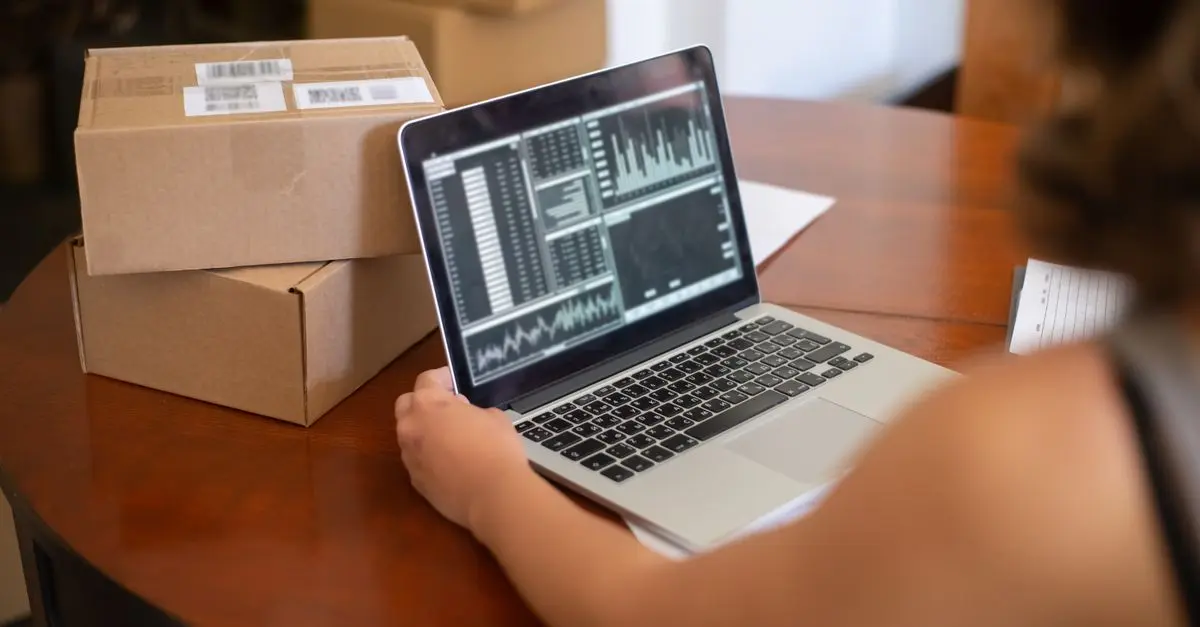
Smart inventory management systems are vital for efficient retail operations. Using IoT (Internet of Things) technology, retailers can track inventory levels in real-time. This facilitates automatic reordering when stock levels drop below a certain threshold, minimizing the risk of stockouts. Efficient inventory management can reduce operational costs by up to 30% and ensure that shelves are always stocked with the right items for customers.
7. Omnichannel Integration
The convergence of online and offline shopping experiences is crucial for modern retailers. Omnichannel integration allows customers to switch between shopping channels seamlessly. For example, customers can purchase online and pick up their orders in-store, or vice versa. Brands like Target excel in this area, providing shoppers with various touchpoints to engage with. This cohesive experience can increase customer loyalty and lead to higher overall sales.
8. Smart Loyalty Programs
Innovative loyalty programs using smartphones and apps reward customers for their shopping habits. Retailers can gather data on purchases and preferences to personalize rewards effectively. For instance, Starbucks has an app that allows users to earn points toward rewards for every purchase. Personalized incentives lead to higher engagement and increase the average transaction size, proving beneficial for overall sales.
📺 For More Insights:
Check out our video on innovative retail technologies that drive sales! Search for "innovative retail shop features 2026" on YouTube.
9. Social Media Shopping Features
Integrating social media with shopping platforms allows customers to browse and buy directly through their favorite social platforms. More brands are utilizing this feature, utilizing platforms like Instagram and Facebook to display their products and promotions. According to eMarketer, social commerce sales have risen significantly, indicating that customers prefer purchasing on platforms they already use. This trend is reshaping how retailers approach marketing and selling products.
10. In-Store Navigation Apps
Navigating large retail stores can be daunting. In-store navigation apps help consumers find products quickly and efficiently. These apps can also include features like special offers for items located nearby, encouraging additional purchases. Retailers implementing these tools report higher customer satisfaction and increased foot traffic, ultimately boosting sales.
Conclusion
Incorporating these innovative smart shop features is not just about keeping up with competition; it's about enhancing the customer experience. As retailers adopt and integrate these technologies, they can create a more engaging shopping environment that drives conversion rates and fosters loyalty.
Checklist Before Adoption
- [ ] Evaluate current inventory management systems
- [ ] Assess customer data analytics tools
- [ ] Research mobile payment solutions available
- [ ] Plan AR integration strategy
- [ ] Determine personalized marketing capabilities
Glossary
| Terme | Définition |
|---|---|
| Omnichannel | Unifié l'expérience client à travers tous les canaux de vente |
| AR (Réalité Augmentée) | Technologie superposant des éléments virtuels dans le monde réel |
| IoT (Internet des Objets) | Réseau d'appareils connectés collectant et échangeant des données |
> 🧠 Quiz rapide : What feature can increase customer engagement in retail?
> - A) Static displays
> - B) Augmented Reality
> - C) Manual inventories
> Réponse : B — AR enhances customer experience by allowing product visualization.
📺 Pour aller plus loin : innovative retail shop features 2026 sur YouTube