Table of Contents (9 sections)
The world of retail is rapidly evolving, largely due to advancements in technology. One of the significant innovations that have emerged in this landscape is augmented reality (AR), which is transforming how consumers interact with products in smart shops. As we move further into 2026, AR is becoming an essential element in creating interactive, immersive shopping environments that enhance customer engagement and satisfaction. By overlaying digital information on the real world, AR allows shoppers to visualize and experience products in ways that were previously unimaginable.
What is Augmented Reality?
Augmented reality is a technology that superimposes computer-generated images, sounds, and other data onto the real world. This interactive experience can be accessed through smartphones, tablets, or dedicated AR glasses. By blending digital content with physical items, AR offers a unique perspective that traditional shopping methods cannot provide. For example, customers can use their mobile devices to visualize how a piece of furniture would look in their home or try on virtual clothing without ever stepping into a dressing room.
Key Trends of Augmented Reality in Smart Shops
- Immersive Product Experiences
Augmented reality is revolutionizing how products are presented in smart shops. Brands are creating immersive experiences where customers can engage with products in interactive manners. For instance, beauty retailers like Sephora have implemented AR technology that allows customers to try on makeup virtually. This trend enhances customer satisfaction by reducing the uncertainty that often comes with purchasing beauty products, ultimately leading to higher conversion rates.
- Personalization and Customization
AR enables retailers to collect data on customer preferences and behaviors, allowing for personalized shopping experiences. A smart shop can utilize AR to suggest items that align with a customer's past purchases or interests. For example, an AR app might analyze a customer's style and offer personalized outfit suggestions, thereby increasing the likelihood of purchase. According to Deloitte, personalized experiences can lead to a 10% increase in sales.
- Enhanced Navigation
In larger retail environments, finding specific products can be challenging. AR navigation tools assist shoppers by providing real-time directions to find items within the store. Utilizing an AR app, shoppers can scan the environment and receive guidance to their desired product location. This reduces frustration and enhances the overall shopping experience, making it seamless and efficient.
- Social Sharing Capabilities
Another trend rising in AR smart shops is the integration of social sharing features, allowing customers to share their discoveries and product trials on social media platforms. This encourages user-generated content and word-of-mouth marketing, further amplifying brand visibility. Retailers can capitalize on this aspect by creating AR experiences that are easily shareable, enhancing their reach and resonance in social communities.
- Training and Customer Support
Smart shops are using AR to enhance employee training and customer support. Employees can use AR applications to access product information, troubleshooting guides, and training modules that facilitate quicker onboarding and efficiency. For customer support, AR provides users with virtual tutorials on product setups and features, reducing the need for help desk interactions.
- Sustainability and Eco-Friendly Practices
As sustainability becomes a crucial concern for customers, AR can aid in educating shoppers on a brand's eco-friendly practices. Retailers can showcase the sustainability of their products through augmented information, allowing customers to make informed choices. For example, they can display the environmental impacts of product sourcing processes, which aligns with growing consumer demand for responsible shopping.
- Virtual Reality Integration
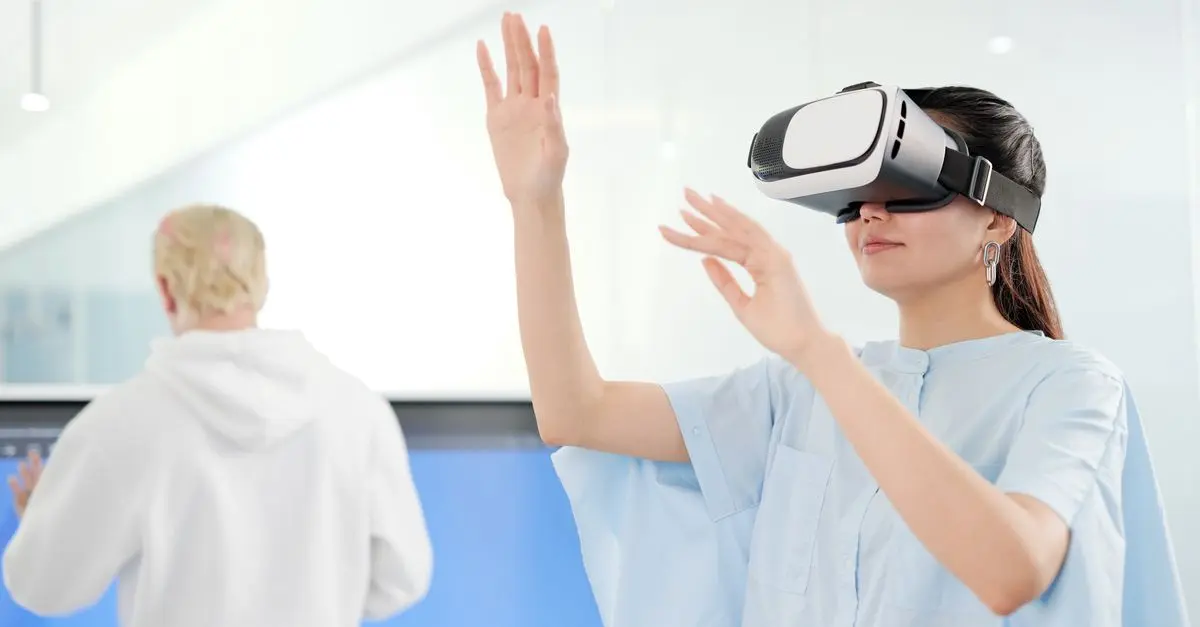
While AR overlaps with virtual reality (VR), the two are becoming increasingly integrated in smart shopping environments. Retailers are providing VR areas in stores where customers can experience products in simulated environments. Such experiences attract customers and create memorable interactions with brands, fostering loyalty and repeat visits.
How to Implement AR in Your Smart Shop
If you're considering integrating augmented reality into your retail strategy, follow these steps:
- Identify areas where AR can enhance customer experience, such as product trials or navigation.
- Choose the right technology partner to create AR applications tailored to your needs.
- Test AR applications with a small customer group before full-scale launching.
- Gather feedback and continuously improve the AR experience based on practical insights.
Comparative Overview of AR Technologies in Retail
Below is a comparative table showcasing various AR technologies:
| Feature | AR Application A | AR Application B | Verdict |
|---|---|---|---|
| Interactivity | High interaction | Moderate interaction | A is more engaging |
| Ease of Use | User-friendly | Requires training | A is simpler |
| Cost | $10,000 for setup | $20,000 for setup | A is more economical |
| Customization Level | High | Low | A offers more options |
Q: How is augmented reality affecting shopping behavior?
A: Augmented reality significantly improves shopping behavior by providing engaging, interactive experiences that meet consumer desires for personalization and convenience.
Q: Are there any downsides to using AR in retail?
A: While augmented reality offers numerous benefits, it may require significant investment and technology updates that some smaller retailers might find challenging.
Q: How can retailers measure the success of AR implementations?
A: Retailers can track engagement metrics, sales conversion rates, and customer feedback to gauge the effectiveness of their AR initiatives.
Q: What technology is needed for AR in retail?
A: Retailers typically need AR-enabled devices, software solutions, and often, partnerships with AR technology providers to develop custom applications.
Glossary
| Term | Definition |
|---|---|
| Augmented Reality | A technology that overlays digital information on the real world to enhance user experiences. |
| Smart Shop | A retail environment that utilizes advanced technologies and IoT to provide interactive shopping experiences. |
| User Engagement | The level of interaction a customer has with a brand, influencing their purchasing decisions and loyalty. |
Checklist Before Adopting AR
- [ ] Assess customer needs and preferences for AR experiences.
- [ ] Determine the budget and required investment for AR technology.
- [ ] Collaborate with AR technology providers for tailored solutions.
- [ ] Train staff on using AR applications effectively.
- [ ] Gather customer feedback post-implementation for improvements.
📺 Resource Video
> 📺 For further insights: Discover the future of retail with augmented reality, a detailed exploration of how AR is shaping shopping experiences. Search on YouTube: "augmented reality shopping 2026".
🧠 Quick Quiz: What is a primary benefit of using AR in retail?
- A) Lower costs
- B) Enhanced customer engagement
- C) Reduced product returns
Answer: B — Enhanced customer engagement is a key benefit of AR.