Table of Contents (21 sections)
Understanding Customer Engagement in Smart Shops
Customer engagement is a vital component of modern retail, especially in smart shops where technology and consumer behavior converge. Smart shops leverage advanced technologies such as Artificial Intelligence (AI) and the Internet of Things (IoT) to create personalized experiences that resonate with customers. This engagement goes beyond mere transactions; it involves connecting with customers emotionally, making them feel valued, and encouraging brand loyalty.
Smart shops often face challenges in creating meaningful interactions. As noted by Forrester, effective engagement can lead to a 30% increase in customer loyalty, translating to higher sales and profitability. Therefore, understanding the nuances of customer engagement—what drives customers to interact with a brand—becomes crucial for success.
Step 1: Leverage Technology
To boost customer engagement in smart shops, integrating technology is essential. Utilize interactive kiosks, mobile applications, and augmented reality experiences that allow customers to engage with products in innovative ways. For example, stores like Sephora use augmented reality to help customers visualize how products apply to their skin, enhancing the shopping experience.
Tips for Implementation:
- Invest in high-quality, user-friendly interfaces. Customers are more likely to engage with easy-to-navigate technology.
- Use real-time analytics tools to monitor engagement levels and adjust strategies accordingly.
- Train staff on new technologies to provide seamless support to customers.
Common Pitfalls:
- Avoid overwhelming customers with too many technologies at once. Focus on a few key integrations that align with your brand.
- Ensure that technology enhances rather than complicates the shopping experience.
Step 2: Personalization Strategies
Personalization is a powerful tool for customer engagement in smart shops. By tailoring offerings and communications to individual preferences, retailers can foster deeper connections with their customers. Data gathered from previous interactions can inform recommendations and promotions.
For instance, Amazon uses recommendation algorithms that suggest products based on a user’s browsing and purchase history. This strategy contributes to a 29% increase in conversions.
Personalization Techniques:
- Segment customers based on behaviors and preferences to deliver targeted messages.
- Use email marketing campaigns that reflect individual shopping habits.
- Implement loyalty programs that reward repeat purchases and engagement.
Avoid These Mistakes:
- Be cautious of excessive personalization that makes customers uncomfortable. Maintain a balance that respects privacy.
- Ensure that systems collecting data are secure to build trust with customers.
Step 3: Create an Interactive Environment
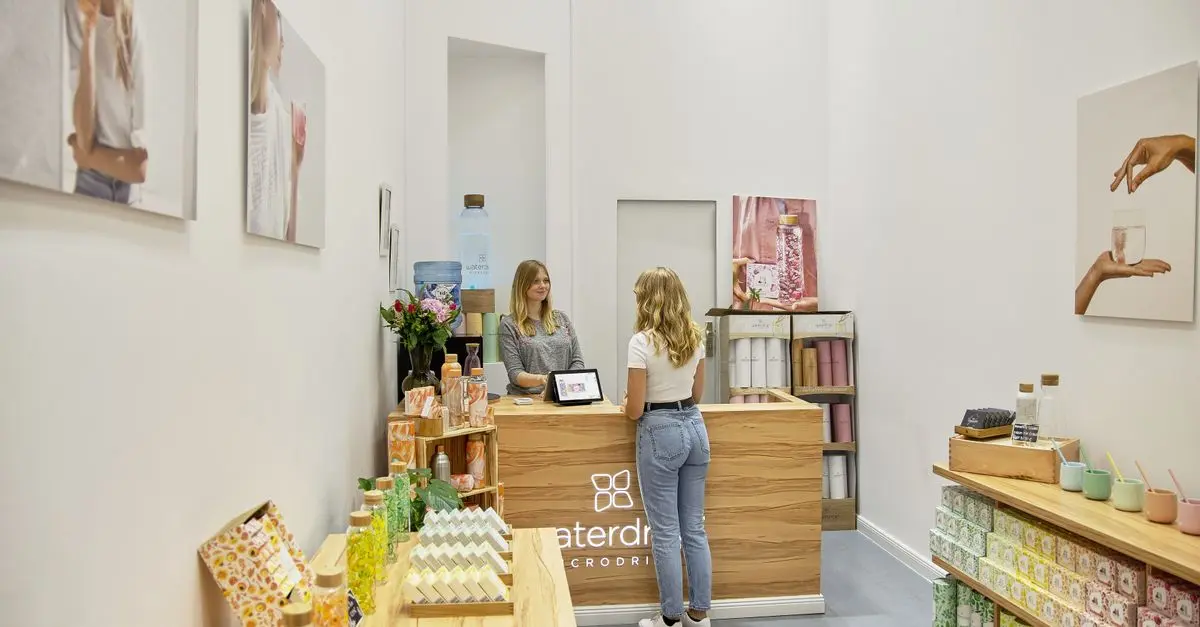
An engaging shopping environment can significantly enhance customer experience and retention. Smart shops should consider creating immersive spaces where customers can linger and explore.
Apple Stores excel in this aspect, providing open spaces and hands-on product demonstrations. Customers feel encouraged to interact with the products and staff in these settings.
Creating Interactive Spaces:
- Set up product demonstration areas where the staff can engage customers directly.
- Incorporate gamification elements, such as rewards for completing in-store challenges, to make shopping entertaining.
- Use sensory elements—music, scents, and visual displays—to craft a unique ambiance.
Key Points to Remember:
- Ensure that interactive elements are easy to understand and enhance the customer experience.
- Regularly update displays and demonstrations to keep the experience fresh and inviting.
Step 4: Foster Community Engagement
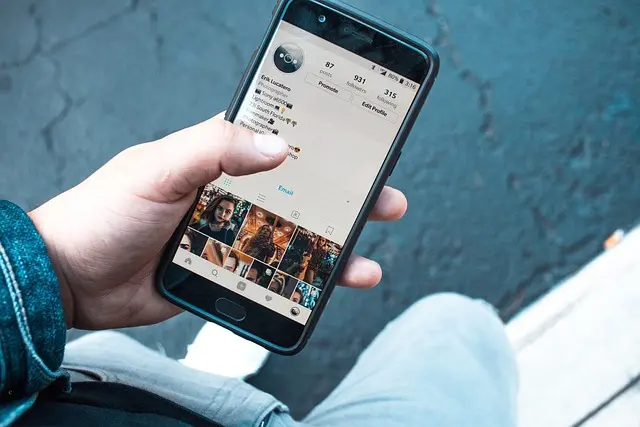
Building a community around your brand fosters loyalty and encourages word-of-mouth marketing. Smart shops can create events and online platforms that allow customers to connect with each other and the brand.
In-store events, workshops, and social media engagement can help create a sense of belonging. Lululemon, for example, hosts yoga events that not only promote fitness but also build a community.
Community Building Strategies:
- Organize workshops or seminars relevant to your products.
- Encourage customers to share their experiences on social media by offering incentives.
- Build a feedback loop where customers feel heard and valued.
Important Considerations:
- Be genuine in your community-building efforts. Authenticity resonates with customers.
- Avoid making events solely promotional; focus on providing value and establishing connections.
Step 5: Utilize Data Analytics
Data analytics plays a critical role in understanding consumer behavior. By tracking metrics like customer engagement and sales conversion rates, smart shops can refine their strategies over time.
Regularly analyze customer data to identify trends and make informed decisions. According to Gartner, companies that adopt data-driven decision-making are 5 times more likely to make faster decisions than their competitors.
Implementing Data Strategies:
- Use tools like Google Analytics to assess customer interactions with your digital platforms.
- Track how customers engage with products in-store using sensors or cameras that monitor foot traffic.
- Employ an A/B testing approach to experiment with different strategies and optimize engagement.
Avoiding Data Missteps:
- Be aware of data privacy regulations to protect customer information.
- Ensure that data collected is actionable—avoid unnecessary complexity that adds little value.
Checklist for Enhancing Customer Engagement
- [ ] Integrate cutting-edge technology to engage customers.
- [ ] Implement personalized marketing campaigns.
- [ ] Create interactive experiences in-store.
- [ ] Organize community-focused events and activities.
- [ ] Analyze customer data for insights and optimization.
Glossary
| Term | Definition |
|---|---|
| Customer Engagement | The emotional and psychological connection customers feel towards a brand. |
| Personalization | Tailoring marketing and product offerings to meet individual customer preferences. |
| Data Analytics | The process of inspecting and interpreting data to inform business decisions. |
Quiz
> 🧠 Quick Quiz: How can you best foster community engagement in a smart shop?
> - A) Offering discounts
> - B) Hosting community events
> - C) Ignoring customer feedback
> Answer: B — Community events foster connections and loyalty.
📺 Resources Video
Watch this insightful video titled “Engaging Customers: Smart Shop Innovations” for more ideas on enhancing customer engagement. Search YouTube for: "smart shop customer engagement 2026".