Table of Contents (17 sections)
Designing a smart shop layout requires a keen understanding of both aesthetics and functionality. It’s crucial to create spaces that not only attract customers but also foster engagement and encourage purchases. In this tutorial, we’ll explore practical tips for crafting an effective smart shop layout that propels your business forward.
1. Understand the Fundamentals of Smart Shop Layout
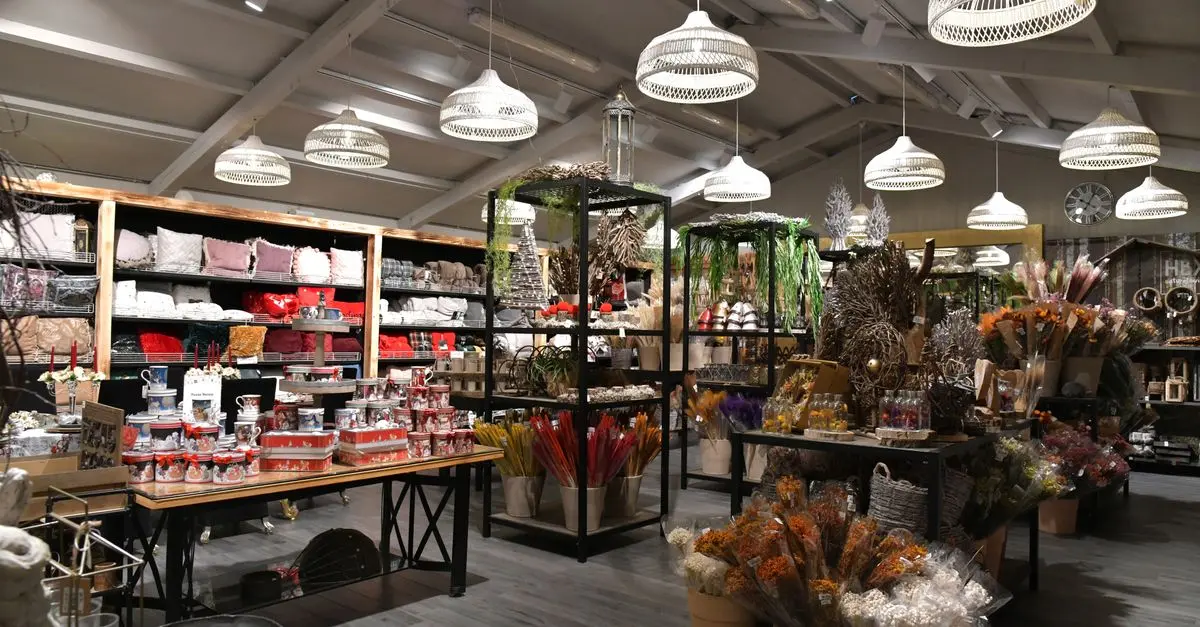
A smart shop layout integrates technology with traditional retail strategies, focusing on optimizing the shopping experience. The essence of a successful layout lies in carefully considering flow, visibility, and accessibility. Effective layouts often incorporate zones that facilitate product engagement and enhance the customer journey. For example, consider using a circular flow where customers can seamlessly move from one area to another. This setup allows them to explore various sections without backtracking, making their experience more enjoyable.
Key Considerations:
- Customer Flow: Determine how customers will navigate your space. A non-linear approach often results in more exploration.
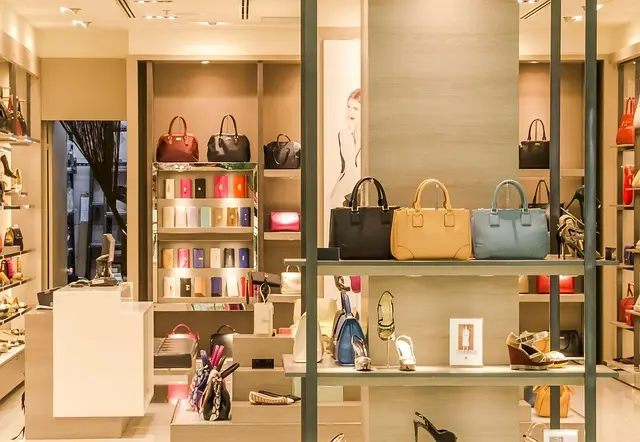
- Product Placement: Position high-demand items at eye level to maximize visibility.
- Engagement Zones: Create interactive sections where customers can touch, feel, and experience products firsthand.
2. Create a Space That Reflects Your Brand
Your store's layout should embody your brand identity. This includes both design elements and the experience you deliver. If you’re a tech-oriented business, your layout might incorporate sleek lines, modern fixtures, and digital displays. According to a study by Retail TouchPoints, brands with cohesive aesthetics can increase customer retention by up to 60%.
Strategies for Implementation:
- Color Psychology: Choose colors that resonate with your brand and evoke the desired emotions in customers.
- Thematic Displays: Utilize themed areas to reinforce your branding. For example, a fitness brand could have a section showcasing products in a gym-like setting.
- Incorporate Technology: Utilize interactive displays or QR codes that lead customers to more information or promotions, enhancing their shopping experience.
3. Optimize for Different Customer Segments
Understanding your target audience is vital for designing a smart shop layout. Different segments may have varying expectations and habits. By tailoring your layout to meet these needs, you can create a more effective shopping environment. Statista reports that personalized shopping experiences can lead to a 20% increase in sales.
Actions to Take:
- Demographic Research: Utilize data analytics to study your customer demographics. This includes age, preferences, and shopping habits.
- Adjust Layout Accordingly: For example, younger audiences tend to favor technology; thus, integrating tech in various forms can enhance their shopping experience.
- Feedback Mechanism: Implement ways for customers to provide feedback on the usability of your layout, making it a dynamic aspect of your business strategy.
4. Leverage Visual Merchandising Techniques
Visual merchandising plays a significant role in how customers perceive products and navigate your store. A well-thought-out layout can create visual appeal while directing customer focus efficiently. UFC-Que Choisir suggests that effective visual merchandising can elevate customer interest and increase sales conversions.
Tips for Success:
- Use Focal Points: Draw attention to specific displays or product categories using lighting or standout colors.
- The Rule of Threes: Group products in sets of three to create a visually appealing and balanced display.
- Seasonal Changes: Regularly update displays to reflect holidays or seasons, keeping the shopping experience fresh and exciting.
5. Incorporate Technology Wisely
Incorporating smart technology into your shop layout can streamline operations and enhance the customer experience. From digital price tags to interactive kiosks, technology should serve a purpose without overwhelming customers. Research from Forbes indicates that 75% of consumers are open to using technology in retail if it improves their shopping experience.
Implementation Advice:
- Smart Shelves: Consider shelves that can track inventory and optimize product placement automatically based on sales data.
- Mobile Integration: Develop a mobile app that customers can use during their shopping trip. This could include product information, promotions, and interactive maps of your store.
- Feedback Tools: Use digital kiosks at the exit where customers can quickly rate their shopping experience and provide comments.
📺 Resource Video
> 📺 To dive deeper: Designing the Perfect Smart Shop Layout, an essential guide for maximizing your retail space and enhancing customer engagement. Search on YouTube: "smart shop layout design tips".
6. Analyze Competitor Layouts
Examining the layouts of successful competitors can provide valuable insights into effective design strategies. This involves analyzing what works for them and identifying unique aspects that differentiate your store. According to Harvard Business Review, observing competitors can significantly enhance your strategic advantages.
Steps to Follow:
- Visit Competitor Stores: Take notes on their layout, product placement, and customer engagement tactics.
- SWOT Analysis: Conduct a Strengths, Weaknesses, Opportunities, and Threats analysis based on your findings to refine your own strategy.
- Stay Updated on Trends: Keep abreast of industry trends, as successful retailers frequently update their strategies based on changing consumer behavior and technological advancements.
Checklist before Implementing Your Smart Shop Layout
- [ ] Define customer journey and flow.
- [ ] Assess brand identity and incorporate it into design.
- [ ] Tailor layout to different customer segments.
- [ ] Update visual merchandising regularly.
- [ ] Integrate appropriate technology to enhance experience.
Glossary
| Term | Definition |
|---|---|
| Smart Shop | A retail space that utilizes technology to enhance the customer shopping experience. |
| Visual Merchandising | The practice of optimizing the presentation of products to attract customers. |
| Customer Journey | The path a customer takes from first awareness to purchasing a product. |
Quiz rapide
> 🧠 Quick Quiz: What is the key element of an effective smart shop layout?
> - A) Seasonal Changes
> - B) Customer Flow
> - C) Smart Shelves
> Answer: B — Customer flow is essential for directing shoppers efficiently throughout the store.
Whether you are achieving an inviting aesthetic or a functional design, remember that creating an engaging smart shop layout is about understanding your audience, utilizing technology wisely, and staying true to your brand identity. The future of retail is here, and so is the opportunity to design a space that captivates and converts. Ready to transform your shop? Let’s make it happen!