Table of Contents (18 sections)
In the rapidly evolving world of retail, enhancing in-store experiences in smart shops is crucial to attracting and retaining customers. Smart shops leverage technology to create personalized, engaging shopping environments. Whether it's through interactive displays, smart mirrors, or integrated apps, these establishments aim to provide a unique and memorable experience that traditional shops often lack.
1. Understand Your Customers
Before implementing any technology, it's vital to understand your target audience. Conduct surveys, analyze purchase history, and utilize data analytics to discern their preferences and behaviors. Just as Starbucks utilizes its app to personalize offers, smart shops can also gather data to curate specific experiences tailored to individual shoppers. A comprehensive understanding of customer demographics, such as age, spending habits, and shopping frequency, will aid in creating targeted promotions and campaigns.
Key Considerations:
- Demographic Analysis: Use tools to analyze who your customers are and what they like.
- Feedback Mechanism: Implement a system to receive continuous customer feedback for improvement.
- Personas: Create buyer personas to visualize who you are catering to.
2. Leverage Technology for Personalization
To enhance in-store experiences, facilitating personalized interactions using technology is invaluable. Smart shops can integrate mobile applications that allow customers to create profiles, receive shopping recommendations, or even navigate the store seamlessly. For example, Sephora employs its mobile app to guide customers through personalized product recommendations based on previous purchases. Utilizing beacons in-store can also send tailored promotions or information directly to customers' smartphones.
Implementation Steps:
- App Development: Partner with a tech firm to create an intuitive app with personalization features.
- In-Store Beacons: Implement beacon technology to notify customers of offers based on their location in the store.
- Real-Time Data Usage: Ensure the technology utilized processes customer data instantly to enhance interaction.
3. Engage with Interactive Displays and Digital Signage
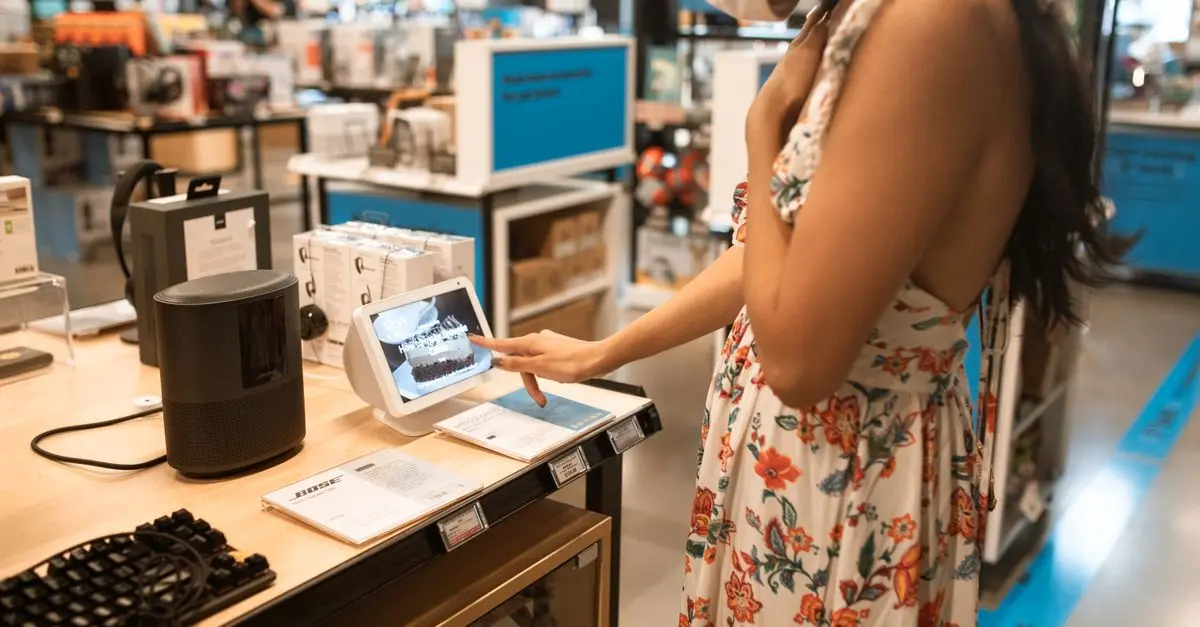
Interactive displays and digital signage can substantially improve in-store experiences. These setups provide customers with engaging, dynamic information about products. For instance, Nike has employed interactive kiosks that allow shoppers to browse through product features while providing demonstration videos and customer reviews.
Benefits of Digital Signage:
- Dynamic Content: Keeping the information fresh and relevant helps catch customer attention.
- Product Exploration: Allowing customers to explore multiple products in one area via interactive screens enhances engagement.
- Promotions and Offers: Easily update promotions or ads without the need for physical changes in-store.
4. Train Staff to Use Technology Effectively
Investing in technology is only half the battle; training your staff to use it effectively is essential. Employees should be proficient not only in traditional customer service but also in using the latest technologies to help customers navigate their shopping experience. Providing regular training sessions focused on tech tools can significantly improve service quality and customer satisfaction. According to a survey by McKinsey, companies offering strong training programs experience 24% higher customer satisfaction scores.
Staff Training Essentials:
- Hands-On Training: Allow staff to practice using technologies before the store opens.
- Continuous Education: Keep staff updated with new updates regularly.
- Feedback Loop: Encourage employees to provide feedback about customer interactions with tech tools.
5. Create a Seamless Omnichannel Experience
Modern shoppers expect a seamless transition between online and in-store experiences. Smart shops must ensure that their online presence complements the in-store experience, allowing for tasks such as curbside pickup, easy returns, and accessing online-exclusive offers within the shop. This integration can drive increased loyalty by providing extra convenience to shoppers. Walmart, for example, has successfully combined its online and offline strategies, leading to enhanced customer retention.
Omnichannel Strategy Implementation:
- Unified Shopping Cart: Ensure online and in-store carts are synchronized, allowing items to remain in the cart across platforms.
- Cross-Channel Promotions: Tying your online and in-store promotions can create a stronger customer incentive.
- Unified Customer Service: Maintain a consistent customer support team to handle inquiries across platforms efficiently.
📺 Resource Video
> 📺 For deeper insights: Watch this detailed guide on enhancing in-store experiences in smart shops. Search on YouTube: 'smart shop in-store experiences 2026'.
6. Gather and Analyze Feedback
Collecting feedback after the implementation of new technologies or strategies is crucial. Utilize customer feedback through surveys or interactive kiosks. For example, let customers rate their experiences on digital kiosks before leaving the store. This feedback can highlight what works and what doesn’t, allowing for continued refinement of the in-store experience. Moreover, analyzing sales data post-implementation can also provide insights into customer satisfaction levels.
Feedback Collection Tips:
- Post-Purchase Surveys: Email surveys post-purchase to gauge satisfaction.
- In-Store Kiosks: Place kiosks for real-time feedback during shopping.
- Regular Meetings: Conduct weekly reviews of feedback received to deploy timely adjustments.
7. Monitor Trends and Adapt Accordingly
Staying updated with the latest retail trends is vital. Technologies evolve, and consumer preferences shift, making it necessary to be adaptable. Subscribe to industry newsletters, attend trade shows, and participate in webinars to stay ahead of changes affecting the smart shop landscape. Leading retailers often attend events to discover new ideas that could apply to their offerings.
Trend Monitoring Guidelines:
- Subscription to Industry Publications: Regularly read industry-relevant publications for updates.
- Networking Events: Attend trade shows and expos to learn about new technologies.
- Competitor Analysis: Monitor competitors to see what new strategies or technologies they are adopting.
Checklist before Implementation
- [ ] Understand your target demographic
- [ ] Develop a user-friendly app
- [ ] Install interactive displays
- [ ] Train staff regularly on technology
- [ ] Create a seamless omnichannel experience
- [ ] Collect and analyze customer feedback
- [ ] Stay updated on retail trends
Glossary
| Terme | Définition |
|---|---|
| Smart Shops | Retail outlets using technology to improve customer experience. |
| Omnichannel | A multichannel approach to sales, integrating online and offline interactions. |
| Interactive Display | Technology used to engage customers through dynamic content and user interaction. |
> 🧠 Quick Quiz: What is one effective way to gather customer feedback?
> - A) Ignore it
> - B) Use surveys and kiosks
> - C) Ask only in-store staff responses
> Answer: B — Using surveys and kiosks allows for effective and diverse feedback.