Table of Contents (13 sections)
In the rapidly evolving world of retail, especially within smart shops, automation tools have emerged as crucial allies for enhancing efficiency and streamlining operations. These tools not only improve staff productivity but also significantly enhance customer experiences, ultimately driving sales and loyalty. In this article, we will explore essential automation tools that can revolutionize your smart shop operations, enabling you to stay ahead in the competitive landscape.
1. Point of Sale (POS) Systems
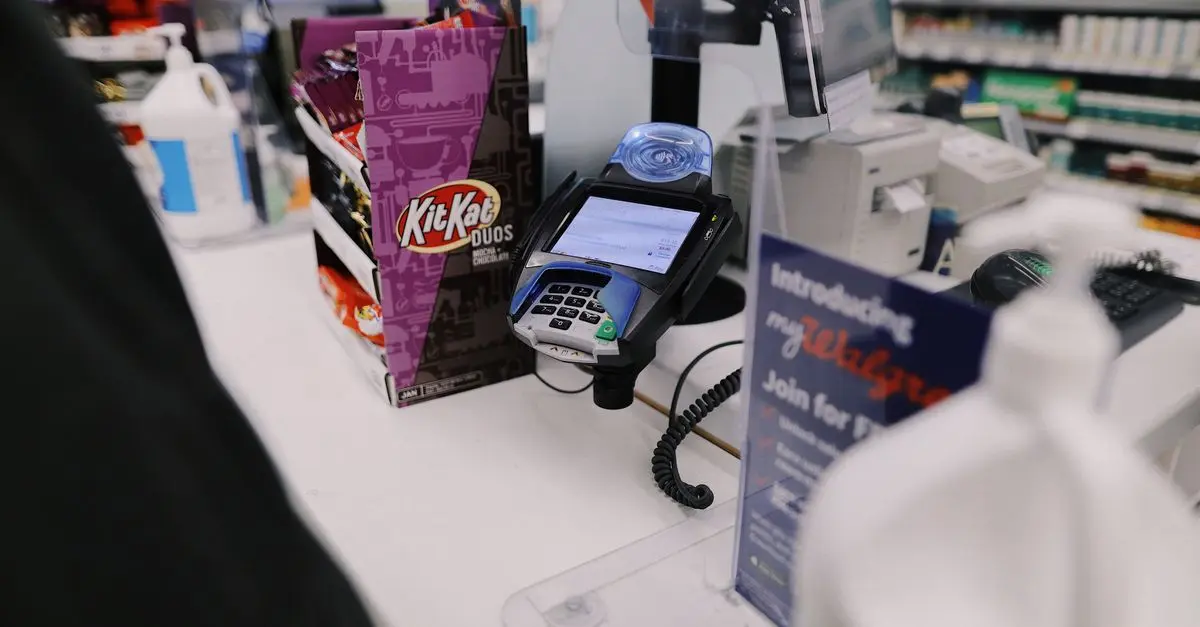
A robust Point of Sale (POS) system is the backbone of any smart shop. Modern POS systems do much more than process transactions; they provide insights into customer behavior, inventory management, and sales trends. For instance, systems like Square and Shopify offer user-friendly interfaces combined with features such as mobile payments, inventory tracking, and detailed sales reports. According to UFC-Que Choisir, businesses that adopted advanced POS systems saw an average increase in sales of up to 20%. This system can help shop owners not only handle transactions but also analyze data to tailor marketing efforts more effectively.
2. Inventory Management Solutions
Effective inventory management solutions are vital for ensuring that your stock levels are optimized. Tools like TradeGecko and Zoho Inventory can help manage stock across multiple locations in real time. These platforms allow retailers to automate reordering processes and maintain a clear view of stock levels, minimizing the risk of overstocking or stockouts. A study by INSEE indicated that businesses utilizing inventory management software reduced excess inventory by 25% on average. Adopting such tools helps smart shops maintain operational efficiency while reducing costs.
3. Customer Relationship Management (CRM) Tools
CRM tools like Salesforce and HubSpot play an essential role in enhancing customer interaction. These platforms gather customer data, interactions, and preferences to provide personalized experiences. For example, utilizing CRM can help identify loyal customers and optimize marketing campaigns based on their buying habits. According to data from G2, businesses that effectively use CRM systems witness increases in revenue up to 41%. Implementing a CRM helps maintain a consistent relationship with customers, crucial for today’s competitive market.
4. E-commerce Integration Platforms
As smart shops expand into the online space, integrating e-commerce platforms is crucial. Solutions such as BigCommerce and WooCommerce allow retailers to manage both online and offline sales seamlessly. These platforms automate various processes, from listing products to syncing inventory across channels. Infusing e-commerce automation can lead to a 50% increase in efficiency, as reported by the E-commerce Times. This integration not only enhances customer reach but also streamlines order fulfillment processes.
5. Marketing Automation Tools
Marketing automation tools like Mailchimp and ActiveCampaign enable smart shops to manage their marketing efforts more efficiently. These tools automate email campaigns, social media postings, and lead management processes. For example, automated abandoned cart emails can significantly recover lost sales—studies show that companies using such tactics increase sales by up to 30%. The convenience of automating these tasks frees up valuable time for staff, allowing them to focus on customer engagement and in-store experiences.
6. Task Management Platforms
Using a task management platform helps streamline operations within your retail space. Tools such as Trello and Asana enable teams to collaborate efficiently, assign tasks, and track progress. For instance, a team can set up boards for daily tasks, ensuring accountability and visibility across the team. According to organization data from Basecamp, companies that implement task management systems experience a 25% increase in productivity. This enhanced organization aids in maintaining service quality amidst busy retail hours.
7. Employee Scheduling Software
Effective employee management is crucial for smart shops, and scheduling software like When I Work or Deputy can simplify this process dramatically. These tools allow managers to create schedules, track hours, and manage time-off requests seamlessly. Employee scheduling tools help optimize labor costs while ensuring adequate staffing during peak hours. In practice, stores that implement effective scheduling software find they can reduce labor costs by up to 15%. Keeping the staff engaged and aware of their shifts contributes significantly to operational efficiency.
8. Customer Feedback Tools
Gathering customer feedback is critical for continual improvement. Tools like SurveyMonkey and Google Forms can help smart shops create surveys to collect customer opinions post-purchase. Engaging with feedback allows shops to address concerns immediately, enhancing the overall customer experience. Best practices suggest that businesses implementing feedback mechanisms see an improvement in customer satisfaction scores by up to 30%, as indicated by findings from Forrester Research. Utilizing feedback tools helps ensure shops adapt to customer needs effectively.
Conclusion
In conclusion, selecting the right automation tools for your smart shop can profoundly affect your operations, customer engagement, and ultimately, your bottom line. By leveraging advanced software in areas like POS systems, inventory management, CRM, e-commerce, marketing automation, task management, scheduling, and customer feedback, you can significantly enhance your retail operations. As the smart shop landscape continues to evolve in 2026, staying informed about these tools will ensure you remain competitive.
Checklist before implementing automation tools
- [ ] Evaluate current POS systems and their features.
- [ ] Assess inventory management needs and select appropriate software.
- [ ] Explore CRM functionalities suitable for your customer base.
- [ ] Consider e-commerce and its integration requirements.
- [ ] Examine marketing automation tools that align with your strategies.
- [ ] Implement task management platforms for team efficiency.
- [ ] Choose employee scheduling software based on business size.
- [ ] Collect customer feedback regularly and adjust operations accordingly.
Glossary
| Terme | Définition, explication |
|---|---|
| Smart Shop | A retail store that utilizes technology to enhance customer experiences |
| Automation Tools | Software platforms that streamline operational processes in a business |
| POS System | A computerized system for managing sales, inventory, and customer data |
📺 Resource Video
> 📺 To explore more: A complete guide to smart shop automation tools, analyze how businesses can implement these systems effectively. Search on YouTube: "smart shop automation tools 2026".
🧠 Quick Quiz: What is the primary benefit of using automation tools in smart shops?
- A) Increased foot traffic
- B) Improved operational efficiency
- C) Higher inventory levels
Answer: B — Automation tools primarily aim to streamline operations and improve efficiency.
📺 Pour aller plus loin : smart shop automation tools 2026 sur YouTube