Table of Contents (13 sections)
- Introduction
- 1. IoT Devices: Bringing Automation to the Forefront
- 2. Customer Relationship Management (CRM) Software
- 3. Cloud-based Point of Sale Systems
- 4. Advanced Inventory Management Systems
- 5. Smart Security Systems
- 6. Augmented Reality (AR) for Enhanced Shopping Experience
- 7. Digital Payment Solutions
- 8. Data Analytics Tools
- Checklist before making any investments
- Glossary
- FAQ
Introduction
In the rapidly evolving world of retail, smart shop technologies are crucial for enhancing operations and customer experience. By leveraging innovative tools, shop owners can streamline processes, improve customer engagement, and ultimately boost sales. This guide explores essential technologies that can transform your smart shop into a leading player in the market.
1. IoT Devices: Bringing Automation to the Forefront
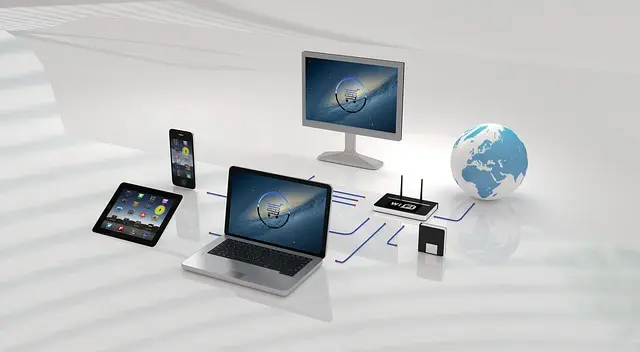
The Internet of Things (IoT) empowers smart shops by connecting devices and enabling real-time communication between equipment, inventory, and staff. For instance, smart shelves equipped with weight sensors can notify managers when stock levels are low, automating inventory management. According to a report by Gartner, IoT-driven sales in retail could reach $1.2 trillion CAD by 2025. Additionally, smart thermostats can optimize energy use, ensuring a comfortable shopping environment while saving on utility costs. As IoT technologies advance, they offer unprecedented opportunities for operational efficiency and customer satisfaction in smart shops.

Phoenix Technologies phcontrolstick - déclencheur avec bluetooth pour appareils iOS et android, Noir
Darty FR

Technologies Peppa Pig PP0777 écouteur/casque Ecouteurs Avec fil Arceau Musique Multicolore
Darty FR
2. Customer Relationship Management (CRM) Software
Custodians of customer data, CRM systems are essential for managing interactions and fostering relationships. By collecting valuable customer information, smart shops can tailor marketing campaigns and enhance the shopping journey. Features like automated follow-ups and customer preference tracking facilitate personalized communication, crucial for building loyalty. Salesforce reported that businesses using CRM software see increased sales by up to 29%. Moreover, integrating CRM with other technologies, such as AI-powered analytics, enables advanced insights into customer behaviors, making it easier to meet their needs effectively.
3. Cloud-based Point of Sale Systems
Switching from traditional POS systems to cloud-based solutions can revolutionize sales processes and inventory management. Cloud-based POS systems offer remote access, easy updates, and real-time sales tracking. Square and Shopify are examples of platforms that allow for seamless management of online and in-store sales. Furthermore, they're equipped with features that enable quick returns and exchanges — a significant factor in today's customer experience. They also support various payment methods, including mobile wallets, increasing the convenience for customers.
4. Advanced Inventory Management Systems
Efficient inventory management is vital for smart shops. Advanced systems utilize real-time data analytics to forecast demand accurately, reducing waste and stockouts. Tools like RFID technology enhance tracking, allowing for precise inventory counts. An article from Forbes emphasizes that businesses implementing advanced inventory solutions can improve inventory accuracy by 30% or more. This technology not only minimizes overhead costs but also ensures that customers find the products they want, influencing their overall shopping experience positively.
5. Smart Security Systems
Safety and security are paramount in retail settings. Smart security systems equip shops with surveillance cameras, motion detectors, and alarm systems that can be monitored remotely. These systems often utilize AI to detect unusual activities, alerting management of potential threats immediately. According to a study by Statista, 73% of retailers believe that security technology improves operational efficiency. Investing in smart security not only protects assets but also enhances customer trust, contributing to a more positive shopping environment.
6. Augmented Reality (AR) for Enhanced Shopping Experience
AR technology is increasingly being integrated into the retail landscape, providing customers with immersive shopping experiences. Retailers can deploy AR applications that allow customers to visualize products in real-world settings before making a purchase. For example, furniture stores use AR to show how items would look inside a customer's home. A report from McKinsey found that AR can boost customer engagement by over 35%. Implementing AR solutions can set a smart shop apart from competitors, providing a memorable and distinct shopping journey.
7. Digital Payment Solutions
With the rise of online shopping, integrating digital payment solutions is essential for modern smart shops. Accepting a variety of payment methods, from credit cards to mobile wallets and cryptocurrencies, caters to a broader audience. This flexibility not only streamlines the payment process but also enhances customer satisfaction. A survey by American Express revealed that 77% of consumers prefer payment methods that are quick and easy. By offering multiple payment options, shops can improve transaction speed and reduce cart abandonment rates significantly.
8. Data Analytics Tools
Data analytics tools are the backbone of decision-making in smart shops. By analyzing customer data, sales trends, and inventory levels, retailers can make informed strategic decisions. Tools such as Google Analytics or Tableau offer insights that help in identifying emerging trends and understanding customer behaviors. According to a report from Deloitte, businesses utilizing data analytics achieve 126% higher pro forma growth. Incorporating data analytics allows smart shops to refine their strategies, facilitating growth and improved customer experiences.
Checklist before making any investments
- [ ] Research the latest IoT devices for your shop.
- [ ] Compare different CRM software systems.
- [ ] Evaluate cloud-based POS options.
- [ ] Consider advanced inventory management systems.
- [ ] Assess your current security measures.
- [ ] Explore AR technology vendors.
- [ ] Analyze digital payment processing solutions.
- [ ] Invest in data analytics tools.
Glossary
| Terme | Définition |
|---|---|
| IoT (Internet of Things) | Ensemble d'appareils connectés permettant une communication et une gestion à distance. |
| CRM (Customer Relationship Management) | Logiciel conçu pour gérer les interactions et les données des clients. |
| AR (Augmented Reality) | Technologie permettant d'intégrer des éléments virtuels dans le monde réel à travers des appareils numériques. |
---
📺 Pour aller plus loin : essential smart shop technologies 2026 sur YouTube
Recommended products
Selected by our experts
Phoenix Technologies phcontrolstick - déclencheur avec bluetooth pour appareils iOS et android, Noir
Darty FR
These wireless gaming headphones provide excellent sound quality, making them perfect for enhancing customer experience through in-store multimedia presentations.
Technologies Peppa Pig PP0777 écouteur/casque Ecouteurs Avec fil Arceau Musique Multicolore
Darty FR
These wired headphones feature excellent audio quality and are perfect for creating immersive experiences within a smart shop environment.