Table of Contents (21 sections)
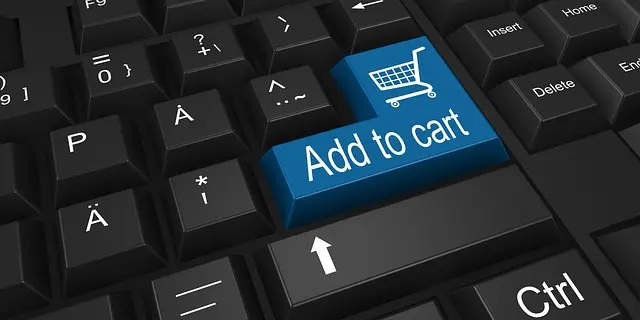
In the fast-evolving world of retail, smart shopping technology is reshaping consumer experiences and redefining business strategies. From tailored recommendations to AI-driven inventory management, technology is fundamentally altering how we shop. This article will delve into the most significant trends in smart shopping technology as of 2026, examining their implications for consumers and retailers alike.
The Rise of AI-Powered Shopping Assistants
Definition and Context
AI-powered shopping assistants have emerged as vital tools for consumers and retailers. These digital assistants utilize machine learning algorithms to offer personalized product recommendations, enhancing the shopping experience by predicting consumer preferences based on past behaviors. Consumers benefit from reduced decision fatigue and a more enjoyable shopping process, while retailers look to boost conversion rates. For example, companies like Amazon and Walmart have integrated sophisticated AI systems capable of analyzing thousands of consumer data points to generate personalized shopping experiences.
Importance and Predictions
The significance of AI-powered assistants is evident: consumers expect tailored experiences. According to a report by Gartner, nearly 75% of online shoppers will prefer to shop using smart assistants by 2026. This trend suggests that retailers who adopt these technologies could see significant increases in customer loyalty and engagement. Additionally, we expect this evolution to result in fewer abandoned carts as shoppers receive better guidance through their purchasing journey.
Contactless and Mobile Payments
Definition and Context
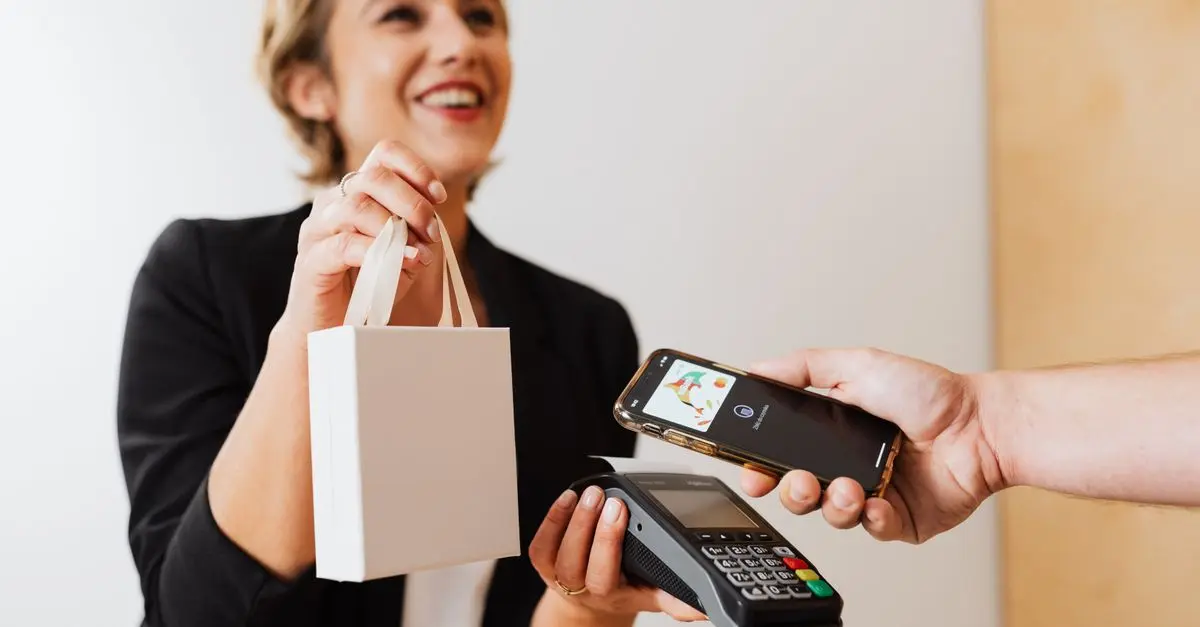
With the growth of e-commerce, contactless payments have surged, reflecting the demand for speed and convenience. Consumers are increasingly looking to rely on mobile wallets and wearable devices for seamless transactions. Companies such as Apple Pay, Google Wallet, and others have expanded their offerings to accommodate this trend.
Importance and Predictions
In a 2025 survey by Statista, 52% of respondents stated they had used mobile payment methods in the past year, marking a significant increase from previous years. The convenience provided by these methods means that retailers adopting contactless technologies can enhance the shopping experience. By 2026, we anticipate that mobile transactions will account for a majority of retail transactions globally, driven by younger generations who prioritize convenience and speed in their shopping behaviors.


Kingston Technology ValueRAM 8 Go 1x8 Go DDR5 5600 MT/s 262-pin SO-DIMM
Topbiz FR

Smart Carts and Checkout Innovations
Definition and Context
The introduction of smart shopping carts represents a significant leap forward in retail technology. These carts are equipped with sensors and screens that help optimize the shopping experience. Shoppers can receive product information, scan items as they add them, and even check out directly from the cart without waiting in line.
Importance and Predictions
For instance, a pilot program launched by Ahold Delhaize reported a 30% increase in customer satisfaction when using smart carts as opposed to traditional ones. With frictionless checkout experiences becoming the norm, experts predict that adoption will rise among retailers, leading to shorter queues and quicker returns to shopping options. By 2026, enhanced in-store technology will be a significant factor in driving foot traffic, as customers seek out the most efficient shopping experiences.
Integration of Augmented Reality (AR)
Definition and Context
Augmented Reality has entered retail as a game-changer, allowing customers to visualize products in their own space before purchasing. Retailers like IKEA have embraced AR technologies through mobile apps that enable consumers to see how furniture would look in their homes.
Importance and Predictions
According to Adobe, brands using AR report up to a 40% increase in customer engagement. As AR technology becomes more affordable, we predict that by 2026, many retailers across different sectors will adopt AR capabilities, enhancing customer confidence and ultimately reducing return rates. For example, fashion retailers could allow consumers to try on clothes virtually, thereby increasing the likelihood of a purchase.
Sustainable Shopping Technologies
Definition and Context
The shift towards sustainability is prompting retailers to adopt smart technologies that support eco-friendly practices. Technologies like energy-efficient systems and supply chain transparency tools are becoming increasingly vital as consumers prioritize brands that reflect their values.
Importance and Predictions
According to Nielsen, 66% of consumers are willing to pay more for sustainable brands. This presents both a challenge and an opportunity for retailers as they strive to incorporate sustainability into their strategies. By 2026, we expect to see an increasing number of retailers leveraging technology to build sustainable practices into their logistics, product sourcing, and overall branding, which will resonate with a growing demographic concerned about environmental impact.
Conclusion
As we explore smart shopping technology, it's clear that the innovations of 2026 are revolutionizing retail experiences and expectations. Retailers willing to embrace these changes and adapt to the evolving landscape can expect to see increased customer satisfaction and loyalty. Businesses should invest in technologies that prioritize personalized, efficient, and sustainable shopping choices to stay competitive in this dynamic market.
📺 Resource Video
To learn more about the latest trends in smart shopping technology, check out informative videos on YouTube by searching for: smart shopping technology innovations 2026.
Glossary
| Terme | Définition |
|---|---|
| Smart Carts | Carts equipped with sensors and screens for an enhanced shopping experience. |
| AI-Powered Assistants | Digital assistants using AI to provide personalized product recommendations. |
| Augmented Reality (AR) | Technology that overlays digital content onto the real world, enhancing shopping experiences. |
Checklist avant achat
- [ ] Explore AI-powered shopping tools available.
- [ ] Research mobile payment options suitable for your needs.
- [ ] Look for retailers offering smart cart features.
- [ ] Investigate brands using AR for a better shopping experience.
- [ ] Assess sustainable shopping options in your local area.
Quiz rapide
> 🧠 Quiz rapide: What is the main benefit of using AI-powered shopping assistants?
> - A) They reduce prices.
> - B) They personalize shopping experiences.
> - C) They increase store foot traffic.
> Réponse : B — AI assistants tailor suggestions to individual preferences, making shopping easier.
📺 Pour aller plus loin : smart shopping technology innovations 2026 sur YouTube
Recommended products
Selected by our experts
Kingston Technology FURY 16GB 3200MT/s DDR4 CL20 SODIMM Impact
Topbiz FR
This product offers enhanced performance for devices utilizing smart shopping technologies, ensuring seamless user experiences.
Kingston Technology ValueRAM 8 Go 1x8 Go DDR5 5600 MT/s 262-pin SO-DIMM
Topbiz FR
A reliable memory option perfect for managing data-intensive applications in smart shopping environments.
Kingston Technology FURY Beast 16GB 6400MT/s DDR5 CL32 DIMM RGB EXPO
Topbiz FR
Designed for high-speed data processing, this product supports the functionalities required in smart retail technologies.