Table of Contents (9 sections)
As retail landscapes evolve, the future of smart shops stands at the forefront of innovative change. Smart shops are characterized by their integration of advanced technologies that enhance customer experience and streamline operational efficiencies. Continuing in 2026, we will see significant trends that not only redefine customer interactions but also optimize backend processes. This article explores key innovations poised to propel smart shops into a new era of retail.
1. Artificial Intelligence Enhancements
Artificial Intelligence (AI) is revolutionizing the retail sector, particularly in smart shops. From predictive analytics that forecast customer preferences to personalized shopping experiences driven by AI, these technologies are enabling retailers to tailor their offerings more closely to consumer demands.
For instance, with AI, smart shops can analyze purchase histories and browsing behavior to recommend products in real-time. According to a report by McKinsey, businesses that utilize AI for customer interactions can expect a revenue increase of 10% to 20% due to enhanced personalization. Retailers like Amazon and Walmart are leading the way by implementing AI-driven recommendation systems that have drastically improved customer satisfaction rates.
Moreover, AI simplifies inventory management through real-time data analysis, ensuring that products are restocked efficiently. Smart shelves equipped with AI technologies can notify store managers when stock levels drop below a certain threshold, minimizing lost sales opportunities.
2. Augmented Reality Shopping Experiences
Augmented Reality (AR) is set to redefine how consumers engage with products in smart shops. By overlaying digital elements onto the physical environment, AR enhances the shopping experience by allowing customers to visualize products in their own space before purchase.
A prime example of this technology is IKEA's app, which allows users to see how a furniture piece would look in their home. As user expectations grow, integrating AR into retail strategies becomes indispensable. In fact, statistics show that 70% of consumers have expressed interest in using AR to enhance their shopping experience. This trend will only gain traction as hardware and software continue to advance, making AR more accessible.
In addition, smart shops can deploy AR for interactive displays, offering product information and personalized recommendations, which create an immersive shopping journey that engages customers and builds brand loyalty.


3. Sustainability Initiatives
Sustainability remains a priority for consumers in 2026, with studies revealing that 60% of shoppers prefer brands that are environmentally conscious. Smart shops are increasingly adopting sustainable practices, which not only satisfy consumer demand but also align with regulatory frameworks aimed at reducing environmental impact.
Innovations such as eco-friendly packaging and energy-efficient store designs are becoming commonplace. For instance, retailers like Target are integrating solar panels into store structures to partially power their operations. Furthermore, the use of sustainable materials in product offerings is expected to grow as brands seek to cut down on waste and engage with the ethical consumer.
Beyond products, smart shops are focusing on waste reduction through initiatives like zero-waste packaging stations, which allow customers to fill reusable containers. This shift not only attracts eco-conscious consumers but also enhances the brand image of participating retailers.
4. Advanced Payment Solutions
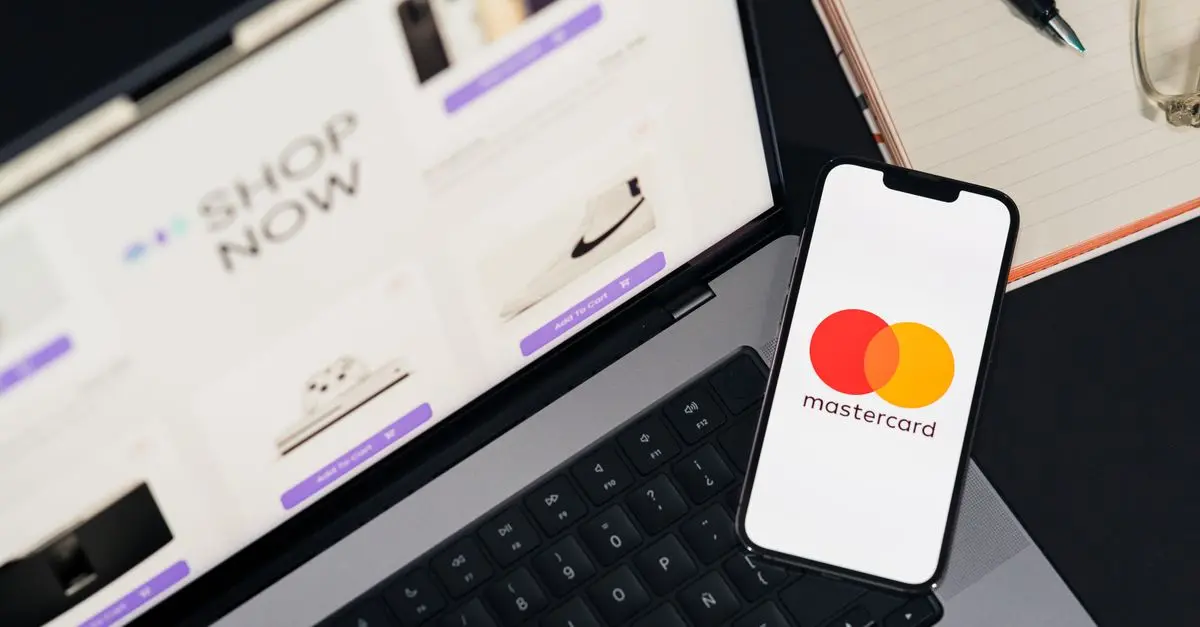
The future of smart shops is intertwined with advancements in payment technology, improving the shopping experience through speed and security. Innovations like contactless payments and digital wallets are becoming the norm. In 2026, we can expect technologies such as biometric payments to gain popularity, allowing consumers to pay through fingerprints or facial recognition.
According to Worldpay, mobile payments are projected to account for over 50% of all e-commerce transactions by this year. This trend reflects a growing consumer preference for convenience and security when making purchases. Retailers embracing these solutions will likely see increased sales and customer loyalty by eliminating friction at checkout and providing seamless payment experiences.
5. IoT Integration for Enhanced Customer Insights
The Internet of Things (IoT) will play a critical role in the evolution of smart shops. By connecting devices and utilizing data collected from various sources, retailers can gain invaluable insights into customer behavior.
IoT can optimize product placements based on foot traffic analysis powered by smart sensors. For instance, retailers can monitor which products attract the most attention and adjust their layouts accordingly. Predictive maintenance of equipment, such as refrigeration units, equipped with IoT sensors can also drastically reduce operational costs. The estimated operational savings through IoT implementation in retail is projected to reach $45 billion by 2026. As smart technology continues to expand its reach, the competitive edge gained through these insights becomes a necessity.
Conclusion
The future of smart shops is vibrant and filled with technologies that promise not just improved operational efficiency but a heightened consumer experience. As these trends continue to grow, retailers must adapt to remain relevant, leveraging innovations like AI, AR, sustainability initiatives, advanced payment solutions, and IoT integration. By embracing these changes, smart shops will redefine the retail landscape, creating personalized and engaging experiences for every shopper.
Checklist avant achat
- [ ] Explore AI solutions tailored to retail
- [ ] Consider AR implementation for product engagements
- [ ] Review sustainability practices for product sourcing
- [ ] Implement advanced payment systems
- [ ] Utilize IoT for enhanced analytics and customer insights
Glossaire
| Terme | Définition |
|---|---|
| Smart Shop | Un magasin utilisant des technologies avancées pour améliorer l'expérience client et l'efficacité opérationnelle. |
| Intelligence Artificielle (IA) | Technologie permettant aux machines d'effectuer des tâches normalement nécessitant l'intelligence humaine, comme la reconnaissance de la parole ou la prise de décisions. |
| Réalité Augmentée (AR) | Technologie qui superpose des éléments numériques à la réalité physique pour améliorer l'interaction utilisateur. |
---
📺 Pour aller plus loin : future of retail technology innovations 2026 sur YouTube
Recommended products
Selected by our experts
Leidybait Crème Futurenss 50ml
DocMorris FR (ex DoctiPharma FR)
This skin treatment cream enhances customer engagement in boutiques focused on health and beauty.
Opi Nail Laca De Uñas Nls79 Rosy Future
DocMorris FR (ex DoctiPharma FR)
A trending nail polish that showcases innovations in smart beauty shopping experiences.
Soutien thérapeutique pour Arch Plant 3M Future
DocMorris FR (ex DoctiPharma FR)
A therapeutic arch support product relevant to retailers focusing on health and wellness.