Table of Contents (12 sections)
Smart shops are revolutionizing the retail landscape, blending cutting-edge technology with personalized shopping experiences. As we look ahead, the future of smart shops promises to be filled with innovations that enhance customer engagement and streamline operations. In this article, we'll explore emerging trends expected to shape smart shops in the coming years.
Trend 1: Enhanced AI Integration
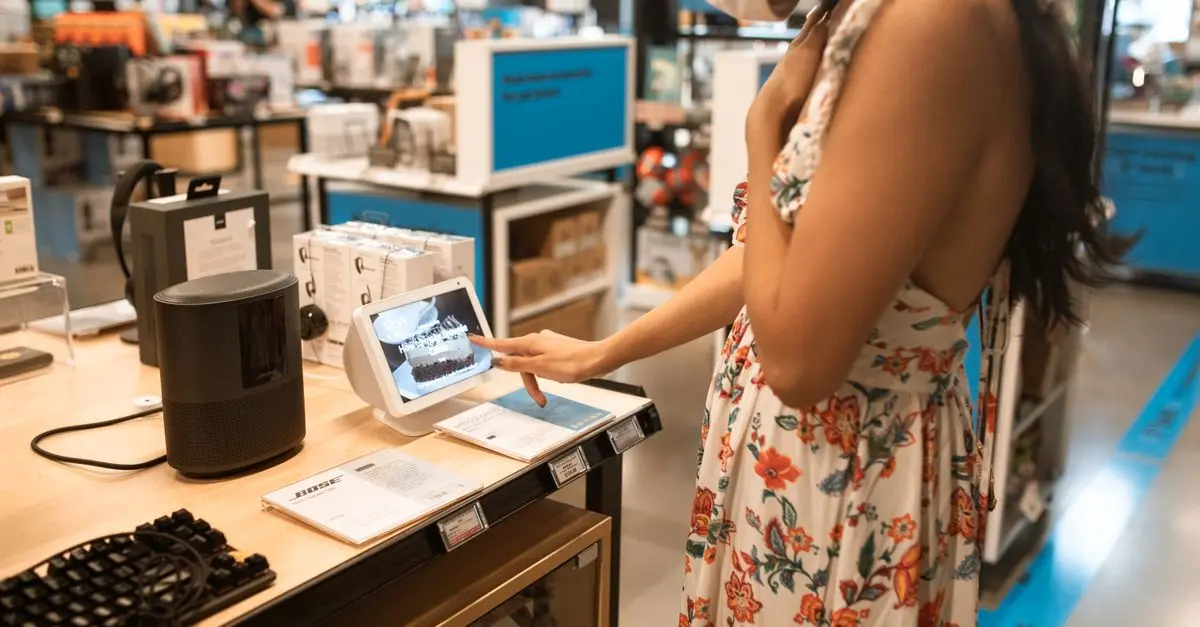
In 2026, we anticipate significant advancements in artificial intelligence (AI) within smart shops. By leveraging sophisticated machine learning algorithms, retailers will be able to analyze customer preferences in real time, tailoring product recommendations more accurately than ever before. According to recent data from Gartner, 75% of companies will use AI to enhance customer experiences by 2026. For example, smart kiosks equipped with AI can guide customers through tailored shopping experiences, comparing products and suggesting alternatives on-the-fly. This shift towards a more intelligent retail environment signifies a change not just in technology but in how customers interact with brands. Moreover, AI will play a crucial role in inventory management, predicting stock levels needed based on past purchasing trends. Therefore, not only will shopping be more personalized, but it will also become more efficient for retailers.
Trend 2: Augmented Reality Shopping
Another exciting development in the future of smart shops is the incorporation of augmented reality (AR) technology. With AR, customers can visualize products in their homes before making a purchase. Imagine trying out virtual furniture layouts or testing makeup shades on your face through your smartphone. A recent survey indicated that 55% of consumers value AR experiences when shopping. Brands like IKEA and L'Oreal are already implementing these technologies, allowing consumers to overlay virtual items in their physical spaces. This not only makes shopping more interactive but also helps reduce return rates, as customers are more confident in their purchases. As AR technology becomes more accessible, we predict that more retailers will adopt it to enhance customer engagement and decision-making processes.
📺 For further insights:
Explore the exciting advancements of smart retailing in this detailed video, search on YouTube: "smart shops technology trends 2026".
Trend 3: Sustainable Practices
As environmental consciousness continues to grow, smart shops will increasingly focus on sustainability. Retailers are expected to adopt eco-friendly technologies and practices in their operations, reducing their carbon footprint. Research from Fortune Business Insights shows that the eco-friendly packaging market is expected to reach $600 billion by 2026. Smart shops will utilize energy-efficient systems, such as automated lighting and HVAC systems, which adjust based on the store's foot traffic. Additionally, consumers are more informed and seek sustainable brands; a survey revealed that 78% of millennials would rather spend money on sustainable products. This transition towards greener practices signifies a future where shopping is not merely an experience but also a statement of social responsibility.
Trend 4: Contactless and Autonomous Shopping
The rise of contactless payments and autonomous shopping experiences will redefine convenience in the retail sector. Technologies like Amazon Go, which uses sensors and cameras to track products picked up by shoppers, have set a precedent. By 2026, we expect that contactless transactions will account for over 50% of retail purchases globally, driven by customer demand for quick and safe transactions. Furthermore, as delivery drones gain regulatory acceptance, smart shops may partner with logistics companies to facilitate rapid deliveries. Walmart has already begun utilizing drone technology for inventory management. The push towards contactless services underlines the consumer desire for speed and efficiency, shaping the expectations of future retail experiences.
Trend 5: Omnichannel Retail Strategies
The future of smart shops will heavily rely on omnichannel retail strategies. A seamless experience across various channels—brick-and-mortar, online, mobile—will become crucial as customers expect consistency and flexibility in their shopping practices. According to a report by Adobe, brands that implement omnichannel strategies have witnessed a 30% increase in customer retention rates. For instance, integrating online ordering with in-store pickup allows customers to combine convenience with a tactile shopping experience. Smart shops of the future will utilize this flexibility to cater to changing consumer needs swiftly. Engaging customers across multiple platforms not only enhances the shopping experience but also fosters brand loyalty.
✅ Infographic Suggestion:
- Suggested Alt Text: "Infographic showing trends in smart shop technology 2026"
- Optimal Placement: After the introduction to visualize future trends.
Checklist before shopping at smart shops
- [ ] Understand the technology used in the store
- [ ] Explore AR capabilities for product visualization
- [ ] Review sustainability practices of brands
- [ ] Check for omnichannel options before purchasing
- [ ] Look for contactless payment methods
Glossary
| Term | Definition |
|---|---|
| Smart Shops | Retail environments that leverage technology to enhance customer experience and operational efficiency. |
| Augmented Reality (AR) | Technology that overlays digital information onto the real world, enriching customer interactions with products. |
| Omnichannel Retailing | A sales approach that provides customers with an integrated shopping experience across various platforms. |
Conclusion
As we venture into the next era of retail, the future of smart shops will become increasingly intertwined with technology and consumer preferences. By adopting these emerging trends, retailers not only enhance customer experiences but also establish a competitive edge in a rapidly evolving market. Stay alert for these innovations, as they will define how we shop in the years to come.