Table of Contents (13 sections)
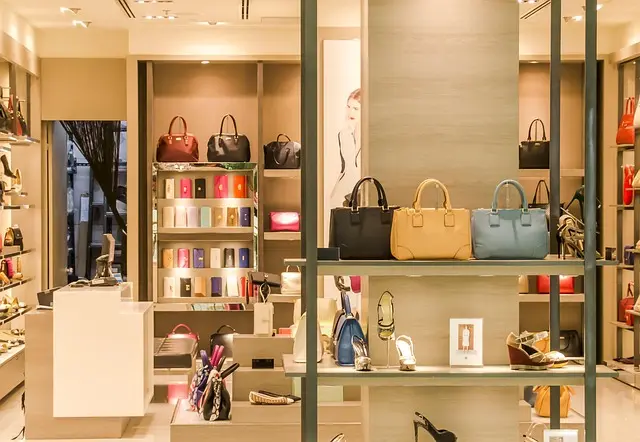
In the world of retail, the concept of the ‘smart shop’ has gained traction among consumers and businesses alike. But what exactly is a smart shop? A smart shop utilizes technology and data analytics to enhance the shopping experience for consumers, making it more personalized and efficient. As consumer preferences shift, especially in light of recent global events and technological advancements, smart shops are evolving to meet these demands. In this article, we explore how smart shops are adapting to these changes, the technologies they are leveraging, and what this means for consumers in 2026.
Understanding Consumer Demands in 2026
Consumer demands are constantly evolving, driven by changes in technology, lifestyle, and economic conditions. Nowadays, consumers expect a seamless shopping experience whether they are purchasing online or in-store. They are looking for convenience, personalization, and sustainability. According to a survey by Nielsen (2025), 73% of consumers prefer brands that demonstrate a commitment to sustainability, while 65% expect personalized experiences based on their shopping habits. As a result, smart shops are prioritizing these factors more than ever.
Smart shops are responding by integrating advanced technologies such as AI, chatbots, and augmented reality into their services. For example, Walmart has started using AI-driven analytics to predict stock levels and consumer preferences, ensuring that they meet demands effectively. With these technologies, smart shops not only enhance operational efficiency but also create a more enjoyable shopping experience for the consumer.
How Smart Shops are Innovating: Step-by-Step Approach
Step 1: Utilizing Data Analytics
Smart shops are employing big data analytics to gain insights into consumer behavior and trends. By analyzing shopping patterns, they can adjust inventory, marketing strategies, and even store layouts to maximize sales.
Step 2: Implementing Omnichannel Strategies
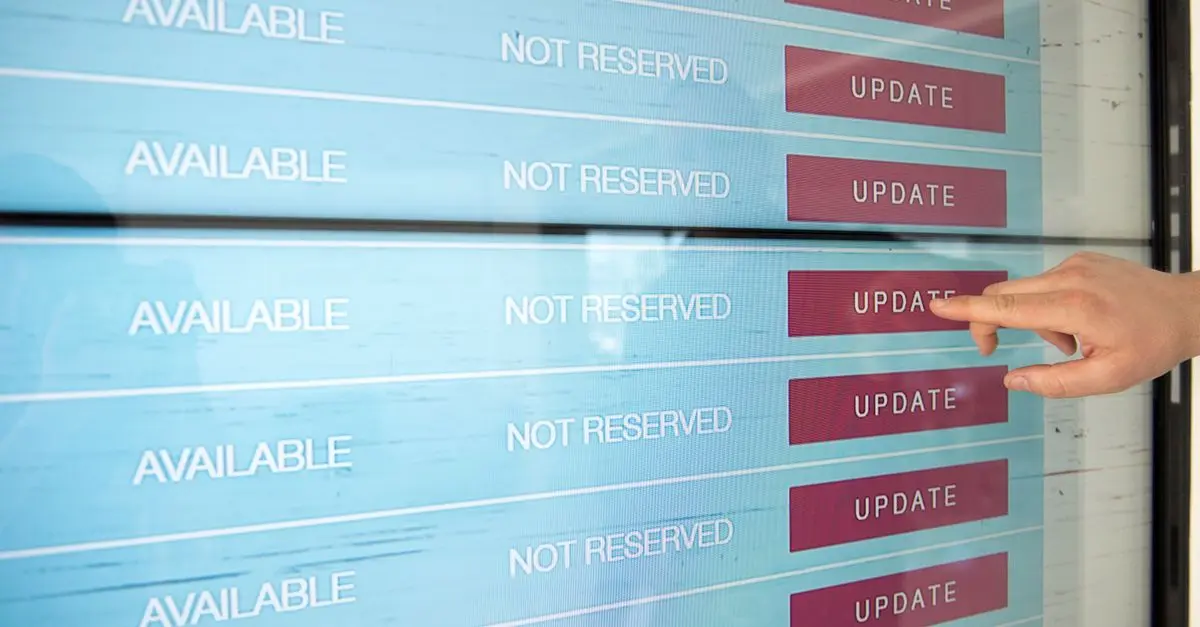
An omnichannel approach integrates various shopping methods, providing a seamless customer journey across online and offline platforms. For instance, consumers can browse products online, check stock availability, and opt for in-store pickup—enhancing convenience.
Step 3: Employing Smart Technologies
Technological innovations such as AI and machine learning algorithms allow smart shops to predict purchasing trends and offer personalized recommendations. Chatbots handle customer inquiries 24/7, ensuring consumers receive prompt responses.
Step 4: Focusing on Sustainable Practices
Sustainability is not just a trend; it's becoming a consumer demand. Smart shops are adopting eco-friendly practices, such as reducing plastic use, sourcing sustainable products, or implementing energy-efficient technologies in their stores. Companies like IKEA are leading the way in sustainability, demonstrating how being green can attract today’s conscientious consumers.
Comparative Analysis of Smart Shops vs. Traditional Retailers
| Criteria | Smart Shops | Traditional Retailers | Verdict |
|---|---|---|---|
| Technology Usage | High; integrates AI, AR, and data analytics | Low; relies on traditional sales methods | Smart shops lead in tech integration |
| Personalization | High; tailored recommendations and offers | Standard; limited to general promotions | Smart shops excel in personalization |
| Sustainability Focus | Strong; implements eco-friendly practices | Weak; minimal green initiatives | Smart shops are more sustainable |
| Customer Engagement | Interactive; uses apps and feedback systems | Passive; relies on in-store interaction | Smart shops facilitate better engagement |
Data-Driven Insights About Smart Shops
Recent reports show that smart shops are thriving under the new consumer demands. According to data from IBISWorld (2026), the smart retail sector has grown by 25% in the past year, reflecting how businesses are adapting to consumer preferences. Additionally, 70% of consumers expressed that they prefer shopping at retailers that use technology to enhance their experience, demonstrating the importance of tech integration in today's market.
Moreover, studies indicate that smart shops that actively utilize customer feedback and data analytics are seeing an increase of 30% in repeat customers, compared to those that do not engage in such practices. Therefore, adapting to evolving demands is not just beneficial but essential for survival in the competitive retail landscape.
Expert Opinions on Smart Shop Trends
> 💡 Expert Opinion: According to Dr. Sarah Thompson, a retail trends analyst at Retail Institute, "The future of retail lies in the ability to adapt to consumer needs. Smart shops that focus on technology and sustainability will not only attract more customers but also foster loyalty. Engaging customers through personalized experiences is a crucial strategy in today’s market.”
Dr. Thompson’s insights reinforce the notion that smart shops must continue evolving to retain their competitive edge.
📺 Resource Video
> 📺 For more insights: Watch our analysis of how smart shops incorporate technology to meet consumer demands. Search on YouTube: smart shop consumer demands 2026.
Glossary
| Term | Definition |
|---|---|
| Smart Shop | A retail outlet that uses technology to enhance the shopping experience. |
| Omnichannel | A seamless approach to selling products through multiple sales channels. |
| Big Data | Large volumes of data analyzed to derive insights about consumer behavior. |
Checklist for Visiting Smart Shops
- [ ] Check if the shop uses technology for personalized experiences
- [ ] Look for sustainability initiatives in products offered
- [ ] Compare smart shops in your area for better deals
- [ ] Engage with customer service to test responsiveness
- [ ] Take advantage of omnichannel options available
In conclusion, smart shops are continuously evolving to cater to the sophisticated demands of consumers in 2026. By integrating advanced technology, focusing on sustainability, and providing personalized experiences, these shops are leading the future of retail. Embrace these changes and seek out smart shops in your area to take full advantage of what they offer. As consumer expectations continue to grow, staying informed and adaptive will be key in navigating the retail landscape of the future.
Call to Action: Explore your local smart shops and experience the innovations firsthand which cater to your evolving demands.
📺 Pour aller plus loin : smart shop consumer demands 2026 sur YouTube