Table of Contents (14 sections)
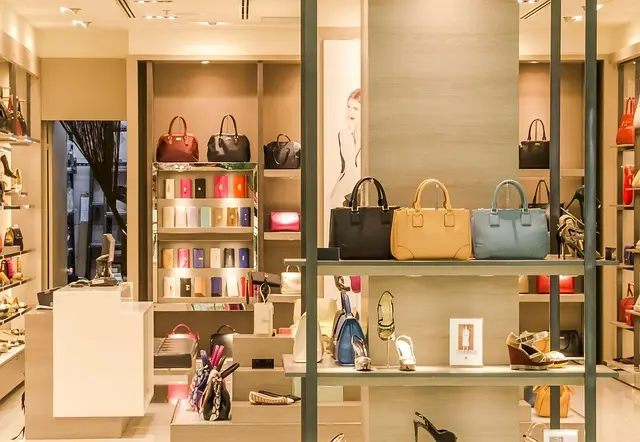
In today's rapidly changing retail environment, smart shops are emerging as key players in meeting the evolving needs of consumers. These shops leverage technology and data analytics to tailor their offerings, enhance customer experience, and stay competitive. As we navigate through the complexities of 2026, understanding the strategies employed by smart shops can shed light on the future of consumer retail. This article delves into the various adaptations smart shops are making, driven by consumer preferences, advancements in technology, and the challenges posed by the ongoing economic landscape.
Understanding Smart Shops and Their Evolution
Smart shops refer to retail establishments that utilize digital technologies to improve the shopping experience. This can range from mobile payment systems to smart inventory management and personalized marketing. The evolution of smart shops has been propelled by consumer expectations for convenience, speed, and tailored experiences.
A relevant example is the adoption of augmented reality (AR) in retail. According to a survey conducted by Forrester Research, 36% of consumers are interested in using AR for shopping. This integration not only enhances the shopping experience but also increases engagement, allowing consumers to visualize products in their space before making a purchase. Additionally, shops are increasingly using customer data to offer personalized recommendations, a move that aligns with consumers’ desire for customized shopping experiences.
Methodologies of Adaptation
Smart shops employ several methodologies to adapt to changing consumer needs. One notable approach is the implementation of omnichannel strategies. Omnichannel retail involves providing a seamless shopping experience across various channels, whether online, offline, or mobile. This method recognizes that consumers often switch between platforms while making purchasing decisions.
Step-by-Step Approach to Implementing Omnichannel Strategies:
- Assess Consumer Behavior: Gather data on how consumers are shopping across different channels. Utilize tools like Google Analytics or in-store heat mapping to understand customer patterns.
- Integrate Technology: Invest in technology that allows for synchronization of inventory and sales across all platforms. For example, using platforms like Shopify can help manage inventory both online and in-store.
- Enhance Customer Experience: Training staff to assist customers who might be transitioning from online to in-store experiences can significantly improve satisfaction. This means understanding both the online and physical aspects of the business.
- Feedback Loop: Regularly collect feedback from consumers to improve services. Surveys, social media interactions, and direct customer feedback can offer insights into areas needing enhancement.
The success of these strategies is evident with Target, which has reported that customers utilizing both its app and physical stores contribute significantly higher to overall sales.
Drop Dash Deals Screen Clip Phone Mount, Universal Smartphone Holder Screen Clip Phone Mount, Universal Smartphone Holder
inspireuplift.com

WHALL - 2 Slice Toaster, Toasters 2 slice, Smart Bread Toaster, Touchscreen Toaster wide slots - Stainless Steel
bestbuy.com

Comparative Analysis of Smart Retail Strategies
To further understand the effectiveness of different strategies, we can compare them using a multi-column table focus on characteristics such as customer engagement, operational efficiency, and adaptability.
| Strategy | Customer Engagement | Operational Efficiency | Adaptability |
|---|---|---|---|
| Omnichannel Shopping | High | Medium | High |
| Personalized Marketing | Medium | High | Medium |
| Smart Inventory Management | High | High | High |
Data-Driven Innovations
The adaptations of smart shops are heavily driven by data analytics. Studies indicate that 80% of consumers expect personalized experiences based on their past shopping behavior. Data analytics allows shops to collect insights on consumer preferences, stock levels, and seasonal trends, which enables them to forecast demands effectively.
According to Deloitte, retailers using predictive analytics for inventory management can reduce stock shortages by over 20%. For instance, smart shops are utilizing data to optimize their inventory, leading to more relevant product availability and enhanced customer satisfaction. Additionally, using AI, smart shops can analyze customer feedback to improve product quality and service delivery continuously.
FAQs on Smart Shop Adaptation
What are smart shops?
Smart shops are retail businesses that integrate advanced technology to enhance the shopping experience for customers.
How do smart shops utilize data?
They collect and analyze customer data to optimize inventory, personalize marketing strategies, and improve customer engagement.
Why is omnichannel important for smart shops?
Omnichannel strategies create a seamless shopping experience for consumers, which is increasingly important in a digitally connected world.
What are the benefits of personalized marketing in retail?
Personalized marketing can increase customer engagement and loyalty, leading to higher sales and repeated business.
Checklist Before Implementing Smart Shop Strategies
- [ ] Assess current consumer behavior and preferences
- [ ] Research technology options for integration
- [ ] Develop omnichannel strategies for a unified experience
- [ ] Train staff on new systems and consumer engagement techniques
- [ ] Set up feedback mechanisms for continuous improvement

Smart Smartphone Case - For Samsung Galaxy XCover6 Pro Smartphone - Black
bestbuy.com

MOVO - PR-1 Smartphone Grip Handle Rig - Compatible with Most Smartphones
bestbuy.com

Movo PR-1 Smartphone Grip Handle Rig - Compatible with Most Smartphones black
shop.simon.com
Glossary
| Term | Definition |
|---|---|
| Smart Shop | A retail store that utilizes technology and data analytics to enhance the shopping experience. |
| Omnichannel Strategy | A unified and seamless shopping experience across multiple channels, both online and offline. |
| Data Analytics | The process of examining data to draw conclusions and make informed decisions in business. |
Conclusion
As consumer preferences continue to evolve, smart shops must remain agile to thrive in the retail landscape. By leveraging technology, data, and innovative strategies, these shops can create a dynamic shopping experience that meets the demands of today’s market. It's a pivotal time for retailers to rethink their approach and leverage these adaptations to stay ahead of the curve.
📺 For going further: Discover more about smart retail trends and see innovative implementations on platforms like YouTube. Search for: "smart retail trends 2026".
We encourage our readers to explore our curated selection of products that can enhance the smart shopping experience, including efficient tech gadgets and innovative appliances tailored for modern consumers.
CTA: Ready to transform your shopping experience? Explore how smart shops are redefining the retail landscape by checking out our recommendations below!
📺 Pour aller plus loin : smart retail trends 2026 sur YouTube
Recommended products
Selected by our experts