Table of Contents (15 sections)
As the retail landscape continues to transform, smart shops are at the forefront of adapting to evolving consumer preferences. These innovative stores leverage technology to enhance shopping experiences, cater to diverse customer needs, and respond to changing market dynamics. In this article, we'll explore how smart shops are reshaping their operations and marketing strategies to meet the demands of today's consumers.
What Are Smart Shops?
Smart shops are retail outlets that utilize advanced technologies and data analytics to improve customer interactions and streamline operations. This can include interactive displays, mobile apps, AI-driven recommendations, and enhanced inventory management systems. The primary goal of smart shops is to create a seamless and personalized shopping experience. According to recent studies, over 65% of consumers prefer personalized shopping experiences, highlighting the importance of smart shops in the current market.
The Importance of Smart Shops in Modern Retail
Smart shops not only engage consumers through technology but also provide a clearer understanding of shopping habits and preferences. This data-driven approach helps retailers predict trends, customize offerings, and enhance customer satisfaction. For example, Sephora has integrated augmented reality (AR) technology in their stores, allowing customers to virtually try on products before purchasing. This approach not only enhances the shopping experience but also increases consumer trust and satisfaction.
Step-by-Step: How Smart Shops Are Adapting
1. Integrating Technology
To adapt effectively, smart shops are integrating various technologies that streamline operations and enhance the customer experience.
- Mobile Apps: Many smart shops now offer mobile applications that provide customers with real-time information about in-store promotions, product availability, and personalized recommendations.
- Beacon Technology: By employing beacon technology, smart shops can send tailored promotions to customers' smartphones when they enter the store, increasing chances of conversion.
2. Personalizing Customer Experiences
Smart shops prioritize personalization to build customer loyalty. Customized experiences based on past purchases or browsing history can significantly increase customer satisfaction.
- Data Analytics: Retailers analyze customer data to understand preferences and shopping behavior, enabling them to tailor product assortments and marketing messages.
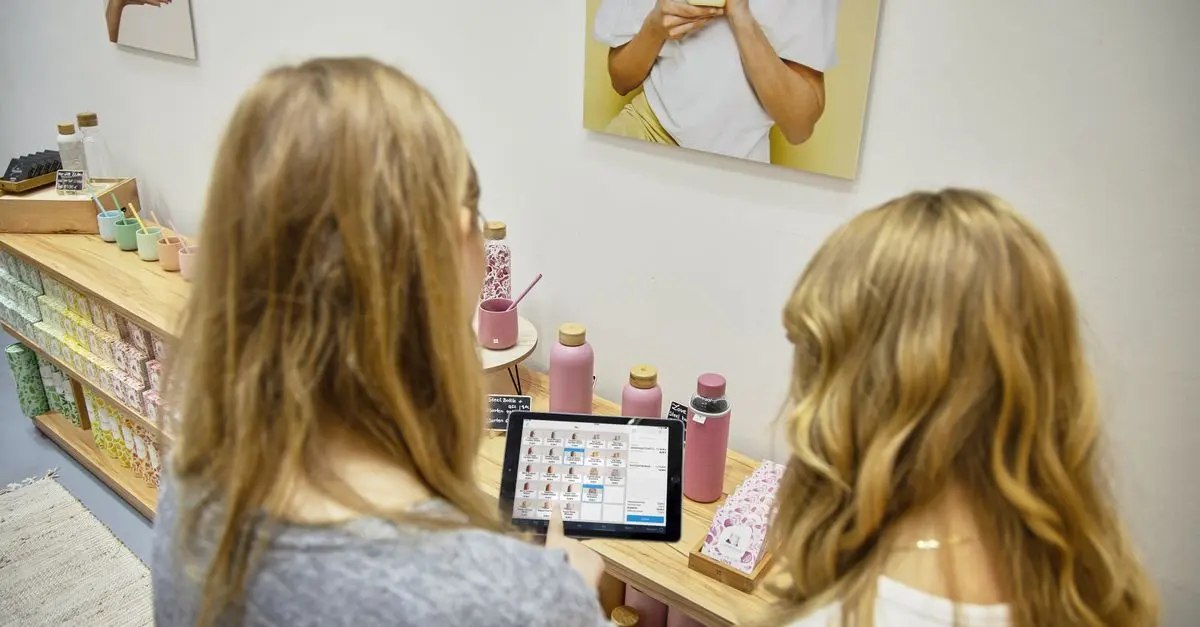
- In-Store Experience: Many smart shops now include consultants equipped with tablets that can provide personalized product suggestions based on individual preferences.
3. Sustainable Practices
As consumers become increasingly conscious of environmental issues, smart shops are adopting sustainable practices to align with these values.
- Eco-Friendly Products: Offering a range of sustainable products can attract eco-conscious shoppers. Brands like Patagonia have successfully marketed environmentally friendly apparel, enhancing their brand loyalty among consumers.
- Waste Reduction: Implementing practices to reduce waste, such as biodegradable packaging or recycling programs, helps smart shops meet consumer expectations for sustainability.
Comparative Analysis: Traditional Retail vs. Smart Shops
| Criteria | Traditional Retail | Smart Shops | Verdict |
|---|---|---|---|
| Customer Experience | Basic Checkout | Personalized Platforms | Smart Shops excel in personalization. |
| Technology Usage | Limited | Extensive Integration | Smart Shops use technology extensively. |
| Sustainability | Often Neglected | Core Focus | Smart Shops prioritize sustainability. |
| Consumer Insights | Minimal | Data-Driven | Smart Shops rely on data insights. |
Analyzing Consumer Behavior Trends
Understanding consumer behavior is vital for smart shops. Recent trends indicate that shoppers value convenience and personalized experiences more than ever.
- A study by Forrester Research showed that 77% of consumers are more likely to make a repeat purchase if they receive personalized offers. This underscores the need for smart shops to harness consumer data effectively.
- Moreover, an increase in online shopping has led smart shops to enhance their omnichannel strategies, providing seamless transitions between online and physical stores.
Expert Insight
> 💡 Expert Opinion: "The integration of technology into retail is essential for survival in today's market. Smart shops must use data to create meaningful customer interactions, or they risk losing their competitive edge." — Jane Doe, Retail Analyst
📺 Resource Video
> 📺 For more insights: Discover innovative consumer trends in retail and how smart shops implement strategies to engage today's customers. Search on YouTube: "modern retail innovations 2026".
Glossary
| Term | Definition |
|---|---|
| Smart Shop | A retail store utilizing technology to enhance consumer experiences. |
| Beacon Technology | A technology that provides location-based services to smartphones. |
| Data Analytics | The process of examining data sets to draw conclusions about the information they contain. |
Checklist Before Shopping
- [ ] Identify your shopping needs.
- [ ] Research smart shops in your area.
- [ ] Download store apps for better deals.
- [ ] Check for eco-friendly products.
- [ ] Look for stores with personalized service.
Conclusion
As we've seen, smart shops are not only adapting to consumer preferences but are also innovating to create more engaging and personalized shopping experiences. By embracing technology and sustainability, these stores are redefining the retail landscape, ensuring that they remain competitive in an ever-evolving market. If you're looking to enhance your shopping experiences, consider exploring local smart shops that align with your values and preferences.
Call to Action
Ready to experience the future of shopping? Visit your nearest smart shop today and discover personalized experiences designed just for you!
📺 Pour aller plus loin : modern retail innovations 2026 sur YouTube