Table of Contents (14 sections)
The retail landscape is continuously evolving, especially as we progress into 2026. Smart shops are proving to be at the forefront of this transformation, adapting their strategies to meet the demands of modern consumers. In this article, we will delve into key trends shaping the retail sector and analyze the strategies that smart shops are deploying to thrive.
Information on Trends in Smart Retail
Smart shops, often synonymous with technology-driven retail environments, focus on enhancing the shopping experience using digital tools. These establishments leverage technology, such as AI-driven analytics, augmented reality (AR), and IoT devices, to engage customers.
According to a 2026 report from UFC-Que Choisir, 72% of consumers prefer a seamless, integrated shopping experience. Smart shops cater to this preference by utilizing data analytics to personalize experiences and inventory management.
This is more than just a trend; it's a shift towards customer-centric retail where convenience and personalization take precedence over traditional methods.
Procedural Changes in Smart Shops
Implementing modern retail trends requires a systematic approach. Here's how smart shops are making the shift:
- Data Collection: Smart shops begin with gathering data on customer preferences and behaviors. For instance, using in-store sensors to track foot traffic can provide insights into popular products.
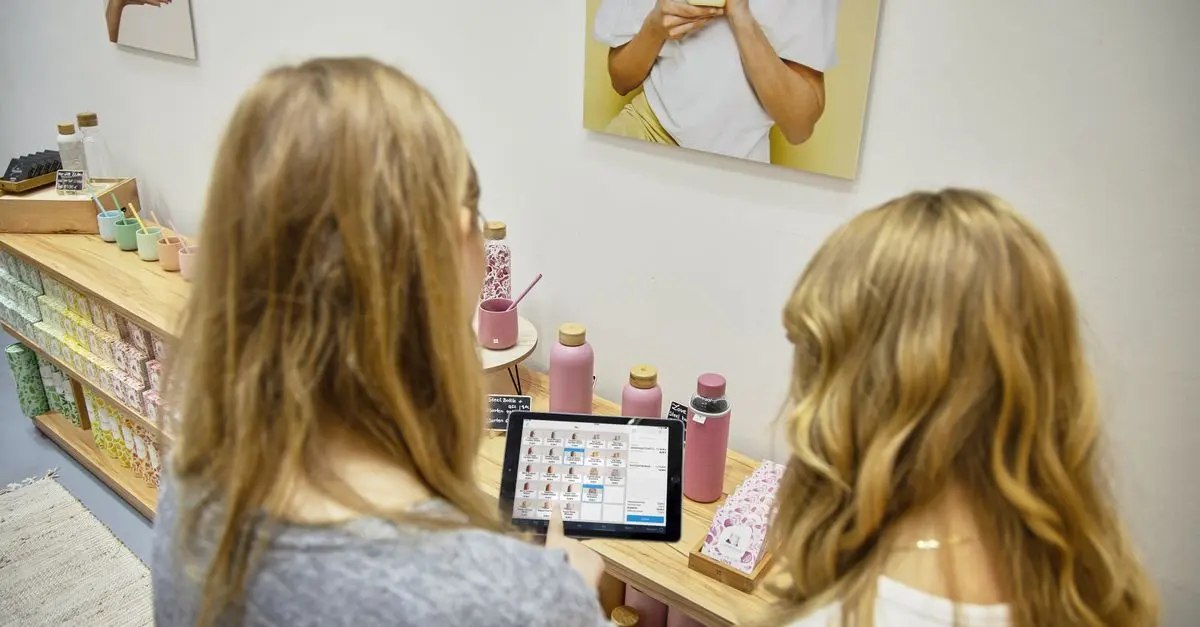
- Technological Integration: Next, integrating technologies like mobile apps for easier payments or AR for virtual try-ons is crucial. This stage is vital for offering a modern shopping experience.
- Feedback Loop Creation: Establishing feedback mechanisms through customer surveys or interactive features helps in adapting services continuously.
- Staff Training: Ensuring that employees are trained to utilize new technologies effectively becomes essential for operational success.
- Marketing Strategies: Adapting marketing efforts to include omnichannel strategies increases reach and customer engagement.


Comparative Analysis of Smart Shops vs. Traditional Retailing
Understanding the differences between smart shops and traditional retail can clarify why modern retail trends are vital for competitiveness. Here’s a comparative table:
| Criterion | Smart Shops | Traditional Retail | Verdict |
|---|---|---|---|
| Engagement Level | High (interactive technologies) | Low (limited engagement) | Smart shops outperform |
| Personalization | Extensive (tailored experiences) | Minimal (one-size-fits-all) | Smart shops lead |
| Inventory Management | Dynamic (real-time updates) | Static (manual processes) | Smart shops are superior |
| Customer Feedback | Continuous (real-time analytics) | Intermittent (periodic surveys) | Smart shops optimize better |
Analytical Insights on Consumer Behavior
As we assess data from Les Numériques 2026, consumer behavior reflects a clear pivot towards technology-integrated shopping. Think about it: 66% of shoppers are comfortable using their mobile devices for check-out and customer service. This shift in consumer preferences signifies a broad acceptance of smart technologies in retail.
Additionally, the integration of AR enables customers to visualize products in real-time, enhancing their purchasing decision processes. Predictions indicate that AR-based applications could increase sales in retail by 30% over the next five years.
Major Trends Shaping Smart Shops in 2026
- AI and Big Data Utilization: Smart shops harness AI to analyze vast amounts of data for predicting trends and making informed inventory decisions. With the use of AI-driven chatbots, customer service can operate 24/7, improving accessibility.
- Sustainable Practices: Eco-friendliness is no longer an option but a necessity. Smart shops are adopting practices such as reducing packaging waste and sourcing materials sustainably, in response to rising consumer awareness.
- Integrated Omnichannel Marketing: Smart shops are transitioning to an omnichannel approach, merging online and offline experiences. This facilitates a consistent brand presence, enabling customers to shift between platforms effortlessly.
- Augmented Reality Experiences: By integrating AR into the shopping experience, retailers allow customers to visualize products before purchase. This futuristic approach has shown to enhance engagement significantly.
- Personalization Through Advanced Technologies: Employing advanced algorithms, smart shops offer personalized shopping experiences, improving customer satisfaction and loyalty. Consumers today favor tailored recommendations.
- Experiential Retail: Consumers crave experiences beyond the product. Smart shops create immersive environments, allowing customers to engage with products interactively, enhancing their connection to the brand.
What is a smart shop?
A smart shop is a retail space that integrates advanced technology to enhance the shopping experience, using data analytics, AR, and IoT.
How do smart shops improve customer experience?
They personalize experiences, offer seamless transactions, and utilize technology to provide engaging shopping environments.
Why is sustainability essential in smart retail?
With increasing consumer awareness, retailers must adopt sustainable practices to comply with growing demand for environmentally friendly shopping.
How can I find smart shops near me?
Use online maps or apps focusing on smart retail to locate nearby smart shops offering modern shopping experiences.
🧠 Quiz rapide : What is a main benefit of smart shops?
- A) Limited Customer Interaction
- B) Enhanced Personalization
- C) Traditional Inventory Management
Réponse : B — Enhanced Personalization improves customer satisfaction and engagement.
Checklist Before Implementing Smart Shop Technologies
- [ ] Assess customer needs and preferences
- [ ] Research necessary technologies
- [ ] Train staff on new systems
- [ ] Create a marketing strategy for omnichannel support
- [ ] Gather customer feedback post-implementation
Glossaire
| Terme | Définition |
|---|---|
| IoT (Internet of Things) | Réseau d'appareils connectés pour collecter et partager des données. |
| AR (Augmented Reality) | Technologie qui superpose des éléments virtuels dans le monde réel, enrichissant l'expérience utilisateur. |
| Big Data | Volume élevé de données, analysé pour identifier des tendances et des comportements. |
📺 Pour aller plus loin : Understanding the Future of Smart Retail, a comprehensive analysis of smart retail innovations. Search on YouTube:
smart retail trends 2026.
📺 Pour aller plus loin : smart retail trends 2026 sur YouTube
Recommended products
Selected by our experts
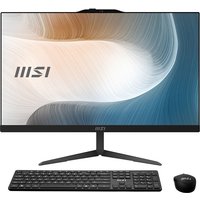
MSI Modern AM242 1M-1082FR 23.8" Intel Core 5 16 Noir 512 Go
Topbiz FR
This product is ideal for potential business owners looking for a reliable computer to manage smart shop operations.
MSI Modern AM273QP AI 1UM-233FR 27" Intel Core Ultra 7 32 Noir 1 To
Topbiz FR
A high-performance option that supports advanced technologies required for smart shop management.
MSI Modern 15 F13MG-608FR 15.6" I5 16 Go Gris 512 Go
Topbiz FR
Perfect for conducting analytics and data processing necessary for personalized customer experiences.