Table of Contents (10 sections)
In today's rapidly evolving retail landscape, smart shops are not just about technology — they're about creating an efficient, flexible, and user-friendly environment. One of the most significant advancements in this area is the adoption of modular design. This article will delve into the concept of modular design, its advantages, implementation strategies, and how smart shops leverage it to enhance customer experiences and operational workflows.
Understanding Modular Design in Smart Shops
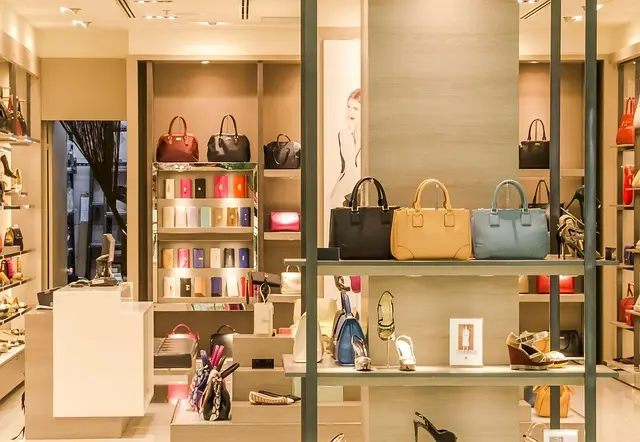
Modular design refers to an approach where components of a system are compartmentalized or standardized into units or modules. This approach is highly beneficial for smart shops, allowing for quick reconfiguration of store layouts to meet changing consumer demands. For instance, a popular fashion retailer used modular display systems to adaptively showcase different seasonal lines without significant renovations. This flexibility not only caters to aesthetic changes but also enhances inventory management.
According to UFC-Que Choisir, modular designs can reduce costs significantly due to less material waste and lower labor costs during renovations. This method enables smart shops to efficiently allocate space for specific products, ultimately leading to better customer engagement. The customizable layouts make it easier to organize events, promotions, or seasonal sales by simply rearranging modular units according to the store's specific requirements.
How Smart Shops Implement Modular Design: A Step-by-Step Guide
Implementing modular design in smart shops involves a streamlined approach that can be broken down into actionable steps:
- Assessment of Current Layout: Begin with an analysis of the existing shop layout. Identify areas that require flexibility and potential for reconfiguration.
- Defining Modular Components: Design modular components based on assessed needs. This may include shelving units, display stands, or furniture that can be rearranged or repurposed easily.
- Utilization of Digital Tools: Leverage digital design tools to create virtual layouts. This helps visualize how different modular components can be positioned within the store.
- Implementation: Roll out the modular components gradually. This can be done section by section to minimize disruption to operations.
- Training Staff: Educate the staff on how to utilize the modular systems effectively for enhanced customer service. This includes knowing how to rearrange displays quickly for events or promotions.
By following these steps, smart shops can enhance their operational efficiency while ensuring an engaging atmosphere for customers. According to a 2025 study by Les Numériques, effective modular implementation can increase sales by up to 30% during promotional events due to improved visual merchandising.
Comparing Modular Design vs. Traditional Retail Design
To clearly understand the benefits of modular design for smart shops, it’s essential to compare it to traditional retail design strategies. Below is a comparative table outlining key differences:
| Feature | Modular Design | Traditional Design |
|---|---|---|
| Flexibility | Highly flexible, reconfigurable | Fixed layouts, minimal adaptability |
| Cost Efficiency | Reduced costs for alterations | Higher costs due to renovations |
| Customer Engagement | Dynamic layouts enhance interaction | Static displays may alienate customers |
| Inventory Display | Easily customizable for promotions | Requires complete redesigns |
The Data-Driven Impact of Modular Design in Retail
Statistics show that businesses that adopt modular design principles can see an uptick in performance metrics. As per data from INSEE, retail spaces that incorporate flexible layouts report an average 25% increase in foot traffic. The design's ability to adapt quickly not only enhances the shopping experience but also allows for easier incorporation of technology, such as interactive displays and personalized marketing through data analytics.
Furthermore, modular design fits seamlessly with sustainability goals. According to ADEME, companies using modular setups can reduce their carbon footprint by minimizing wasted materials during renovations — a significant step in today's environmentally-conscious retail landscape.
Expert Insights on Modular Design Implementation
💡 Expert Opinion: In my experience, smart shops that embrace modular design are often more agile and responsive to market trends. The flexibility it provides is an invaluable asset. When shopping at stores that effectively utilize modular designs, customers report feeling more engaged and excited about the products. (Source: Industry Expert)
FAQ: Common Questions about Modular Design in Smart Shops
Q: What is modular design?
A: Modular design is a retail layout strategy that uses interchangeable components to allow for quick reconfiguration of a space.
Q: How does modular design enhance user experience?
A: It allows smart shops to quickly adapt to changing consumer behaviors and showcase products in innovative ways to attract customers.
Q: What types of products benefit from modular design?
A: Products that require frequent promotional displays, such as clothing or electronics, benefit significantly from modular setups.
Q: Are there any downsides to modular design?
A: Initial investment in modular systems may be higher, but long-term benefits in flexibility and cost savings often outweigh these costs.
Checklist for Implementing Modular Design in Your Smart Shop
- [ ] Assess current shop layout for flexibility
- [ ] Design custom modular components
- [ ] Use digital tools for visual layout planning
- [ ] Implement modular systems gradually
- [ ] Train staff on setting up and rearranging components
Glossary
| Term | Definition |
|---|---|
| Modular Design | A design approach focusing on creating interchangeable components for flexibility in layout. |
| Smart Shop | A retail location employing technology and innovative design to enhance customer experience. |
| Visual Merchandising | The practice of displaying products in an engaging way to attract customers. |
📺 Resource Video
> *For a comprehensive analysis on modular design in retail, search for:
Recommended products
Selected by our experts
Kodotan sofa "101.2"" Sectional Sofa Full-Compressed Sofa Modular Sofa Couch Free-combined Sofa with Deep Seating and Two Side Pockets"
bedbathandbeyond.com
Povison "103.15""Modern Minimalist Curved Sofa ,Brown Flannelette Sofa,Modular Sofa,Living Room Sofa"
povison.com
Povison "103.15""Modern Minimalist Curved Sofa ,Beige Flannelette Sofa,Modular Sofa,Living Room Sofa"
povison.com