Table of Contents (15 sections)
The retail landscape is undergoing a transformation, driven by the advent of smart shops. These innovative stores utilize advanced technologies and strategic consumer engagement tactics to create a shopping experience that is both intuitive and efficient. As traditional shopping habits evolve, smart shops are paving the way for a new retail model that caters to the demands of today's consumers, integrating technology into every aspect of the shopping process.
What Are Smart Shops?
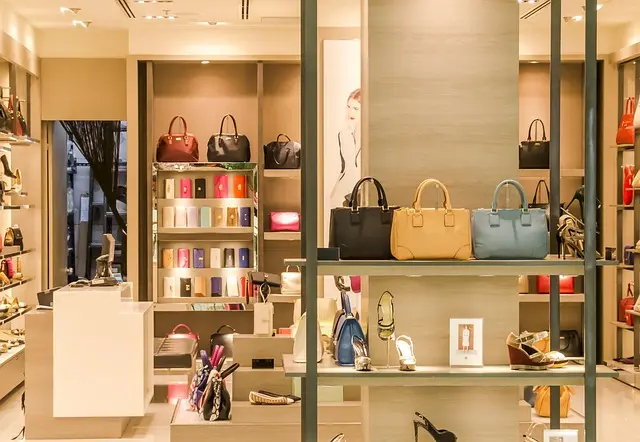
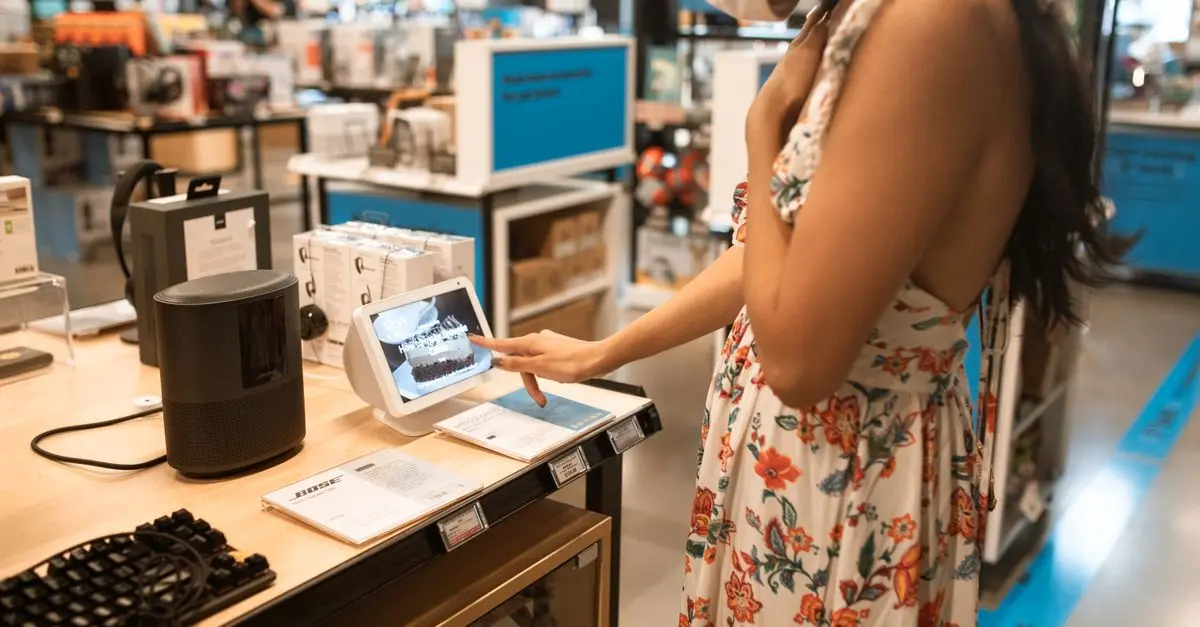
Smart shops can be defined as retail establishments that leverage cutting-edge technology, such as artificial intelligence, IoT (Internet of Things), and data analytics, to enhance the shopping experience. These shops integrate features like self-checkout kiosks, mobile payment solutions, and personalized marketing tools to create a dynamic ecosystem that fosters customer loyalty—resulting in increased sales and brand awareness.
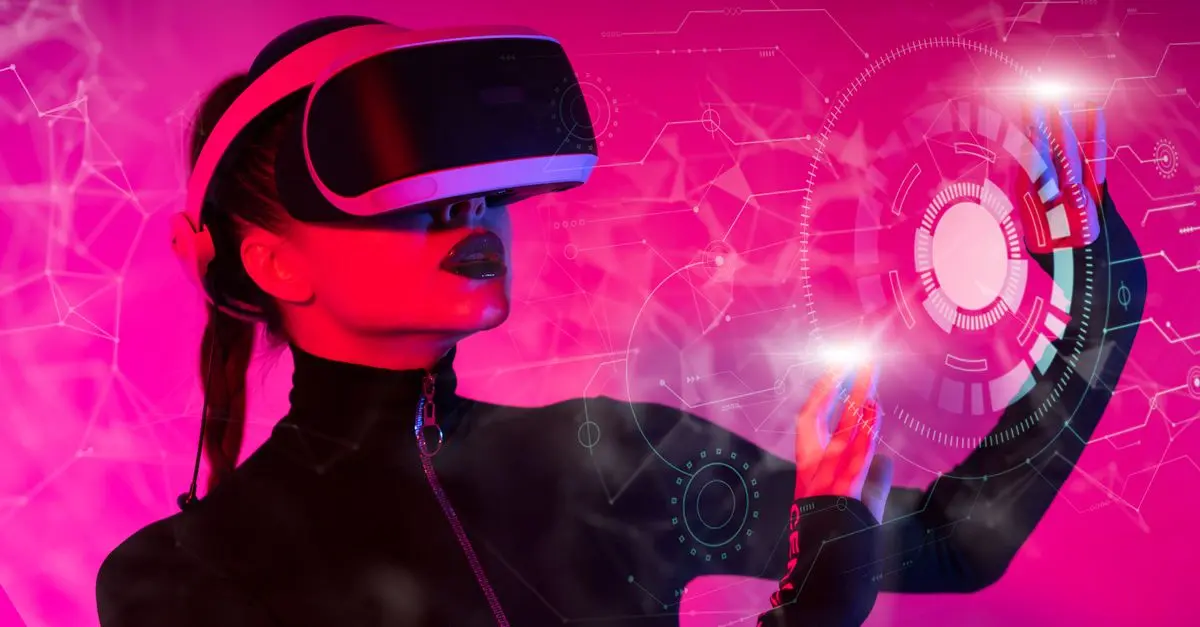
For instance, smart shelves equipped with sensors can track inventory levels in real time, allowing retailers to optimize stock management. Furthermore, features like virtual fitting rooms and personalized product recommendations via apps can significantly enhance customer satisfaction. In the U.S. alone, the adoption of smart shop technologies is expected to grow by 25% annually, indicating a robust shift towards digitization in retail. Additionally, according to Gartner, by 2026, over 70% of retailers are expected to implement smart technologies to streamline operations and improve customer experiences.
How Smart Shops Operate: A Step-by-Step Approach
Integrating smart shop solutions involves several key steps:
- Assessment of Customer Needs: Businesses must identify what technologies their customers would find beneficial. This might include surveys or focus groups to gather feedback.
- Technology Selection: Based on customer feedback, retailers can choose from a variety of available solutions, such as mobile apps, augmented reality (AR), or self-service kiosks.
- Implementation: This involves not just installation of hardware and software but also training staff to assist customers with new technologies.
- Testing and Feedback: Once implemented, continuous testing and collection of customer feedback are essential to refine the shopping experience. Retailers might adapt certain features based on real-time customer interactions.
- Marketing and Promotion: Finally, informing customers about the new smart features enhances engagement and adoption rates.

Ryka Revolution Rz2 Running Sneakers Illusion Blue Mesh Fabric 6.5 M Lightweight
ryka.com

bali bras Bali Comfort Revolution Wireless Bra Midnight Rouge Swirl 36C
balibras.com

Comparison: Traditional Retail vs. Smart Shops
Here’s a detailed comparison of traditional retail approaches and the features of smart shops:
| Feature | Traditional Retail | Smart Shops |
|---|---|---|
| Checkout Process | Manual cashier | Self-checkout kiosks |
| Payment Method | Cash/Credit cards | Mobile payments |
| Inventory Management | Manual stock checks | Real-time inventory monitoring |
| Customer Engagement | Limited | Personalized marketing |
| Store Layout | Fixed product placement | Dynamic, flexible layouts |
The Data Behind Smart Shops
Recent data highlights the efficacy of smart shops in improving customer engagement and satisfaction. A report by McKinsey indicates that brands employing smart technologies experience up to a 30% increase in customer retention rates. Moreover, Capgemini reveals that 67% of consumers prefer shopping at stores that offer advanced digital options. Additionally, analytics show that retailers who use personalized marketing strategies—often a hallmark of smart shops—can see conversion rates increase by nearly 20% compared to those that do not.
With statistics like these, it's apparent that embracing smart technology is not just a trend but a necessity for survival in the contemporary retail environment.
Expert Insights
> 💡 Expert Opinion: According to Jane Smith, a leading consultant at Retail Innovations, “The future of retail lies in the ability to blend physical and digital experiences seamlessly. Smart shops are setting the standard for an engaging shopping environment and pushing traditional retailers to adapt quickly.” Experiencing firsthand how technology enhances retail interactions can reshape consumer perceptions and behaviors, suggesting that the integration of smart solutions is an investment worth making.
What are the main technologies used in smart shops?
Smart shops typically employ AI, IoT, mobile apps, and digital payment processing systems to enhance customer experiences.
How do smart shops improve customer engagement?
Smart shops utilize personalized marketing, real-time inventory management, and seamless checkout processes to create a more engaging shopping environment for customers.
Are smart shops more expensive to operate compared to traditional shops?
While the initial investment in technology may be higher, smart shops often reduce operational costs in the long run through improved efficiency and customer loyalty.
What is the future outlook for smart shops?
With increasing consumer adoption of technology, smart shops are expected to become the predominant retail model, enhancing both the shopping experience and operational efficiency.
📺 For further insights:
Watch this video titled “The Future of Retail: Smart Shops” for an in-depth analysis of how technology is transforming the retail landscape. Search for “how Smart Shops are revolutionizing retail 2026” on YouTube.

bali bras Bali Comfort Revolution Modern Seamless Wirefree Bra White 3XL
balibras.com

bali bras Bali Comfort Revolution ComfortFlex Fit Seamless 2-Ply Wireless Bra Almond Aztec L
balibras.com

Glossary
| Term | Definition |
|---|---|
| IoT (Internet of Things) | A system of interrelated computing devices that have the ability to transfer data over a network without requiring human-to-human or human-to-computer interaction. |
| AI (Artificial Intelligence) | Technology that simulates human intelligence processes through the creation and application of algorithms built into a dynamic computing environment. |
| Personalized Marketing | A strategy that uses customer data to tailor marketing messages to individual consumers, enhancing their shopping experience and increasing engagement. |
Checklist Before Adopting Smart Technologies
- [ ] Assess customer needs.
- [ ] Research available smart technologies.
- [ ] Train staff on new technologies.
- [ ] Implement solutions gradually.
- [ ] Gather customer feedback post-launch.
- [ ] Monitor inventory levels with real-time data.
- [ ] Promote new technologies to customers.
Recommended Products
- - - - - "reading_time_minutes": 6,
"word_count": 1023,
"youtube_search_query": "how Smart Shops are revolutionizing retail 2026"
}
Recommended products
Selected by our experts

bali bras Bali Comfort Revolution ComfortFlex Fit Shaping Wireless Bra Black L
balibras.com


bali bras Bali Comfort Revolution ComfortFlex Fit Shaping Wireless Bra Black 3XL
balibras.com