Table of Contents (13 sections)
The retail landscape is evolving rapidly, and data analytics in smart shops is at the forefront of this transformation. In this article, we will explore how smart shops successfully leverage data analytics to enhance their decision-making processes and improve operational efficiency. With the rise of technology, it's becoming imperative for shops to adopt analytics strategies to stay competitive.
What is Data Analytics in Smart Shops?
Data analytics involves examining raw data to draw conclusions and make informed decisions. In the context of smart shops, this means utilizing sophisticated data analysis techniques to glean insights about customer behavior, inventory management, and sales forecasting. This practice is crucial as it allows shop owners to align their strategies with real-time market trends.
One essential aspect of data analytics in smart shops is customer segmentation. By analyzing customer data, shops can identify distinct groups of customers based on their shopping habits, preferences, and demographics. For example, a smart shop may use data analytics to determine peak shopping times, allowing them to staff effectively and optimize inventory accordingly. According to a report by Statista, about 75% of consumers expect personalized experiences based on their shopping behaviors, which makes segmentation more vital than ever.
How Smart Shops Implement Data Analytics Step-by-Step
Implementing data analytics in smart shops involves several systematic steps:
- Data Collection: The first step is to collect data from various sources, such as POS systems, online platforms, and customer feedback tools. This data can include sales numbers, customer demographics, and product performance.
- Data Cleaning: Remove any inconsistencies or irrelevant data to ensure accuracy. Clean data enhances the reliability of insights derived from it.
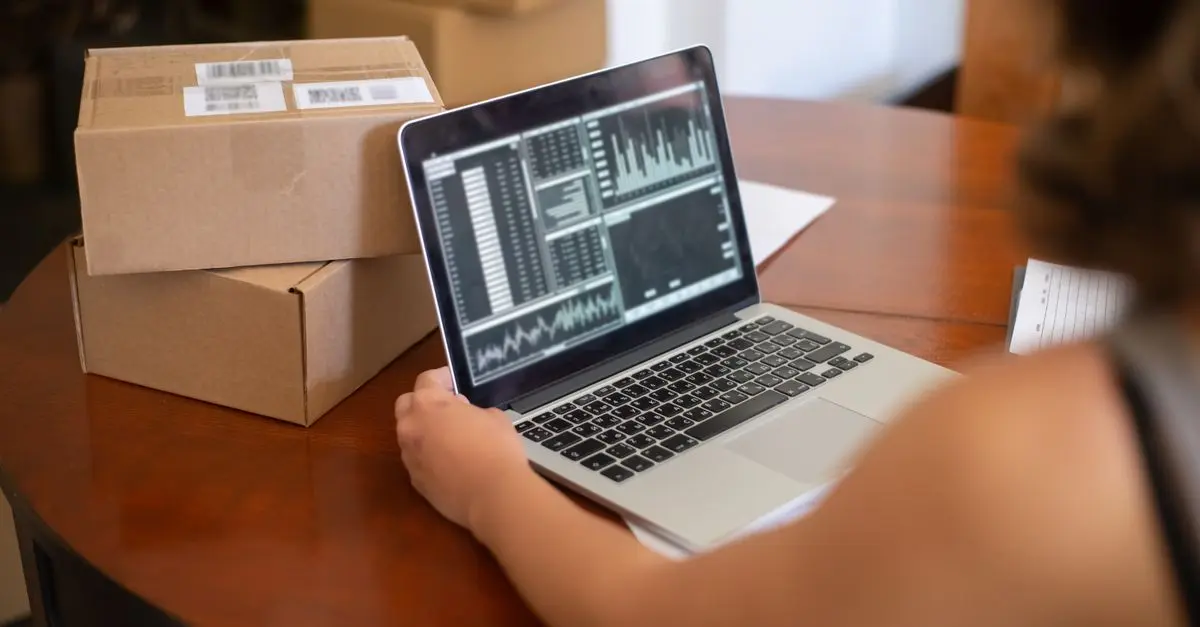
- Data Analysis: Use analytical tools to identify trends and patterns. Smart shops may employ visualization tools to create graphs and charts that represent their data findings.
- Actionable Insights: Develop actionable strategies based on data analysis. For instance, if a particular product is trending, shops can increase inventory, while also running promotions to boost sales.
- Monitoring: Continuously monitor results and adjust strategies as needed. By regularly revisiting data, smart shops can stay agile and responsive to changing customer needs.
Purchasing analytics software can streamline this process. We have selected several products suited for integrating analytical tools into your smart shop’s operations. Discover our recommendations below.
Drop Dash Deals Screen Clip Phone Mount, Universal Smartphone Holder Screen Clip Phone Mount, Universal Smartphone Holder
inspireuplift.com

WHALL - 2 Slice Toaster, Toasters 2 slice, Smart Bread Toaster, Touchscreen Toaster wide slots - Stainless Steel
bestbuy.com

Comparative Analysis of Analytics Tools
When considering analytics tools for smart shops, it is essential to compare the strengths and weaknesses of different options. Here’s a table comparing three popular data analytics solutions:
| Feature | Tool A | Tool B | Tool C |
|---|---|---|---|
| Price | Moderate | High | Affordable |
| Ease of Use | User-friendly | Complex | Beginner-friendly |
| Integration | POS Compatible | Requires API Setup | Easy Integration |
| Reporting Tools | Advanced Analytics Reports | Basic Charts | Visual Data Display |
| Verdict | Great for midsize shops | Best for large retailers | Ideal for new startups |
Analytical Insights Driving Performance
The importance of data analytics is underscored by various statistics. For instance, according to McKinsey, organizations using advanced analytics are 23 times more likely to acquire customers, 6 times more likely to retain customers, and 19 times more likely to be profitable. This highlights the profound impact data-driven decision-making can have on business outcomes.
Moreover, smart shops are utilizing predictive analytics to forecast future trends. By analyzing historical data, they can predict product demand, customer preferences, and market shifts. This foresight allows for better inventory management and targeted marketing strategies. As an example, Amazon has effectively utilized data analytics to optimize its sales strategy and inventory management, leading to significant increases in both customer satisfaction and profitability.
Frequently Asked Questions (FAQ)
What types of data can smart shops analyze?
Smart shops can analyze sales data, customer demographics, shopping behaviors, inventory levels, and market trends to make informed decisions.
How effective is data analytics for improving customer experiences?
Data analytics enables personalized shopping experiences and targeted marketing, significantly enhancing customer satisfaction and loyalty.
Are there affordable data analytics tools for small smart shops?
Yes, many analytics tools cater to smaller businesses, offering essential features at a lower cost.
How can I start implementing data analytics in my smart shop?
Begin by collecting data, choosing an analysis tool, and focusing on actionable insights to drive your retail strategies.
Expert Opinion
> 💡 Expert Insight: The integration of data analytics in retail is no longer an option but a necessity. As customer expectations continue to evolve, shops that harness data-driven insights will not only thrive but lead in their respective markets. It's crucial to invest in the right tools and foster a culture that values data-informed decision-making. Investing in analytics can ultimately pave the way for enhanced customer experiences and operational efficiencies.

Smart Smartphone Case - For Samsung Galaxy XCover6 Pro Smartphone - Black
bestbuy.com

MOVO - PR-1 Smartphone Grip Handle Rig - Compatible with Most Smartphones
bestbuy.com

Movo PR-1 Smartphone Grip Handle Rig - Compatible with Most Smartphones black
shop.simon.com
Checklist Before Implementing Data Analytics
- [ ] Identify data sources.
- [ ] Choose the right analytics tool.
- [ ] Train staff on data usage.
- [ ] Regularly review data analytics reports.
- [ ] Adjust strategies based on insights obtained.
Glossary
| Term | Definition |
|---|---|
| Data Analytics | The process of examining datasets to draw conclusions about the information they contain. |
| Customer Segmentation | The practice of dividing customers into groups based on shared characteristics. |
| Predictive Analytics | A form of advanced analytics that uses historical data to forecast future outcomes. |
> 📺 For further exploration: *Check out videos on
Recommended products
Selected by our experts