Table of Contents (14 sections)
Introduction to Augmented Reality in Smart Shops
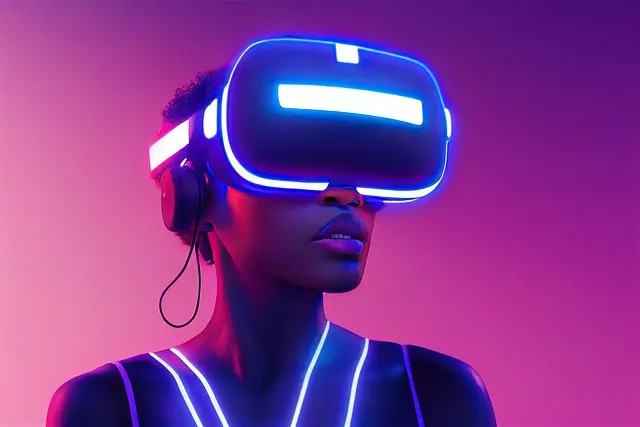
Augmented Reality (AR) has gained significant traction in retail, particularly in smart shops, where it plays a crucial role in enhancing customer engagement. This innovative technology blends digital content with the real world, providing customers with immersive experiences that traditional shopping methods cannot offer. The use of AR in smart shops is not merely a trend; it is a strategic response to changing consumer expectations and behaviors. As shoppers seek more personalized and engaging experiences, smart shops are leveraging AR to bridge the gap between online and offline shopping, thus redefining customer interactions. According to a study by Goldman Sachs, the AR market is projected to reach $198 billion by 2025, underscoring the immense potential of this technology in retail environments.
Enhancing Customer Experience through AR
The deployment of augmented reality technologies significantly enhances customer experience within smart shops. By integrating AR applications, retailers can offer interactive experiences that allow customers to visualize products in real-time, transforming how they interact with brands. For instance, a customer shopping for furniture can use AR to visualize how a specific item would look in their home environment before making a purchase. This capability reduces the uncertainty often associated with online shopping and provides a more informed buying decision. Studies show that retailers employing AR see an increase in customer engagement levels, with 90% of consumers expressing a preference for shopping experiences that utilize AR. Furthermore, by creating engaging in-store experiences through AR, businesses can not only attract foot traffic but also foster loyalty, as customers are more likely to return to stores that offer unique and engaging shopping environments.


Real-World Applications of AR in Retail
Smart shops are implementing various real-world applications of AR to enhance customer engagement progressively. One notable example includes virtual fitting rooms that allow customers to try on clothing items virtually. This application has been effectively used by brands like Zara and L'Oreal, significantly improving the shopping experience by reducing fitting room queues and enabling customers to explore multiple styles quickly. Furthermore, beauty retailers have adopted AR technologies to allow shoppers to try on makeup virtually before purchasing, which has resulted in increased conversion rates and reduced returns. Data from Retail Dive indicates that stores implementing AR technology experience a 15% increase in sales compared to those that do not.
Practical Examples of AR in Smart Shops
Additionally, AR is used in product demonstrations. For example, car manufacturers are utilizing AR apps that enable potential buyers to explore a vehicle's functionalities with their smartphones, simulating the driving experience without the need to be physically present in a dealership.
These practical applications not only enhance customer experience but also significantly boost customer satisfaction and retention, putting brands ahead in a competitive retail landscape.
Comparative Analysis of AR Tools
To understand the landscape of AR applications in smart shops, it’s important to compare various AR tools available to retailers today. Below is a comparative analysis of three prominent AR solutions in the market.
| Criteria | Tool A | Tool B | Tool C |
|---|---|---|---|
| Ease of Use | High | Medium | Low |
| Customer Engagement | Very High | High | Medium |
| Customization Level | Low | Medium | High |
| Integration with E-commerce | Easy | Moderate | Difficult |
The Future of AR in Smart Shops
Looking ahead, AR technology is set to become even more integral to the smart shop landscape. The increasing capabilities of smartphones and AR glasses are expected to expand the possibilities for retailers, allowing even richer and more interactive customer experiences. For instance, emerging technologies may enable AR to feature hyper-personalized advertisements based on customer preferences, behavior, and past purchases. According to Research and Markets, the integration of AR in retail could potentially enhance brand loyalty by up to 30%, as personalized experiences lead to greater customer satisfaction. Retailers who invest in AR will likely set themselves apart as leaders in customer engagement, offering innovative solutions to meet consumer demands.
Expert Opinions on the Use of AR
> 💡 Expert Insight: "As we witness the evolution of consumer behavior, retailers that incorporate AR technologies into their sales strategies are better positioned to capture customer interest and foster loyalty. The key lies in delivering value and enhancing the overall shopping experience, transforming an ordinary visit into an engaging adventure." - Dr. Emily Vargas, Retail Technology Specialist.

FAQs on Augmented Reality in Smart Shops
Q: What is augmented reality in smart shops?
A: Augmented Reality (AR) in smart shops is the technology that overlays digital information onto the real-world shopping environment, enhancing customer interactions and experiences.
Q: How can AR improve customer engagement?
A: AR improves customer engagement by providing interactive and personalized experiences, allowing customers to visualize products in an immersive manner before making a purchase.
Q: Are there specific tools recommended for implementing AR?
A: Yes, tools vary in ease of use, customer engagement capabilities, and integration levels. Retailers should choose based on their specific customer needs and their operational capabilities.
Q: Is AR in retail just a trend?
A: No, AR is increasingly viewed as a strategic necessity as consumers seek more innovative and interactive shopping experiences.
Glossary
| Term | Definition |
|---|---|
| Augmented Reality (AR) | A technology that combines digital images and information with the real world to create interactive experiences. |
| Smart Shops | Retail stores that employ advanced technologies to enhance shopping experiences, often integrating AR and AI.
| Customer Engagement | The emotional connection between a customer and a brand, influenced by their shopping experience and interactions.
Checklist before Buying AR Solutions
- [ ] Assess current customer engagement levels.
- [ ] Research AR tools available in the market.
- [ ] Compare ease of integration with existing systems.
- [ ] Consider the customization options required.
- [ ] Evaluate customer feedback on potential AR solutions.
📺 For further insights:
Watch videos like "Augmented Reality Innovations in Retail" on YouTube for a deeper understanding of how AR is reshaping the shopping landscape. Search for terms like "augmented reality in retail 2026".
Recommended products
Selected by our experts