Table of Contents (11 sections)
In the rapidly evolving landscape of retail, big data is no longer just a buzzword; it is a crucial element that shapes the way smart shops operate. But what exactly is big data? At its core, big data refers to the vast volumes of structured and unstructured information generated daily through various sources such as point-of-sale transactions, social media interactions, and customer feedback. In the context of smart shops, this data is utilized to derive actionable insights that can significantly improve customer experience and operational efficiency.
The relevance of big data in smart shops cannot be overstated. For instance, retailers can track shopping patterns, monitor inventory levels in real time, and even predict future buying behaviors. According to a report by McKinsey, companies leveraging big data analytics saw a revenue increase of 5 to 6 percent more than their competitors who did not. This emphasizes the importance of not only collecting data but also integrating it effectively into strategy and operations to stay competitive.
The Methodology Behind Data Collection
Step 1: Data Gathering
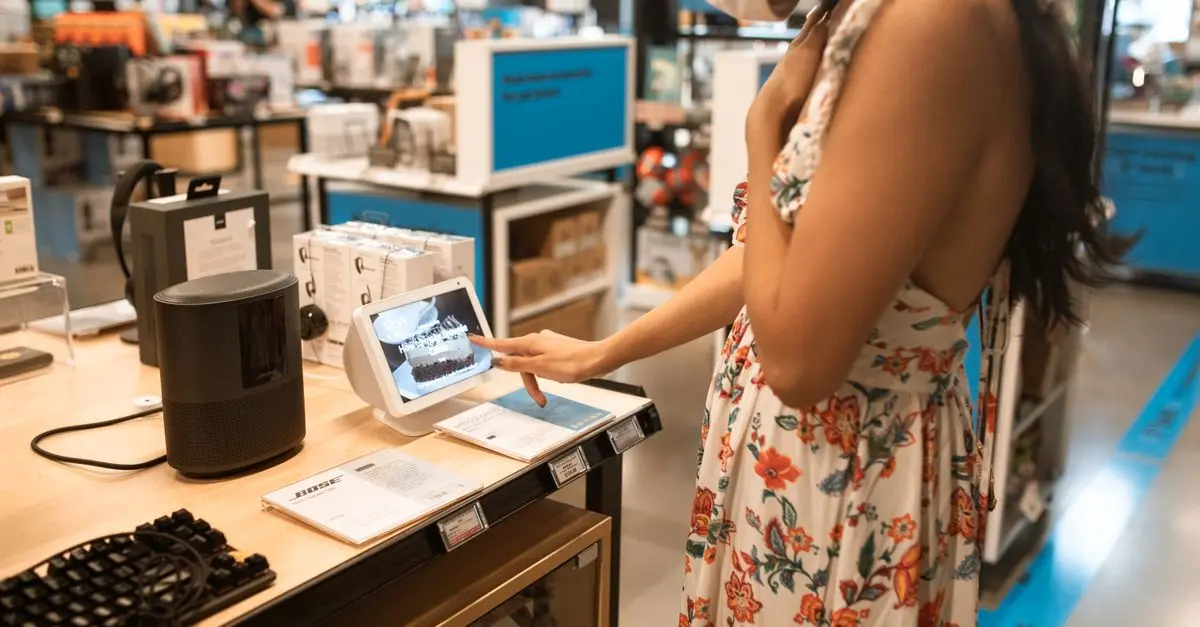
The first step in leveraging big data involves gathering information from various touchpoints within the retail ecosystem. Smart shops today use advanced tools and technologies to collect data from in-store sensors, online transactions, and customer interactions. For example, IoT devices embedded in smart shelves can provide data on customer traffic patterns and product engagement.
Step 2: Data Analysis
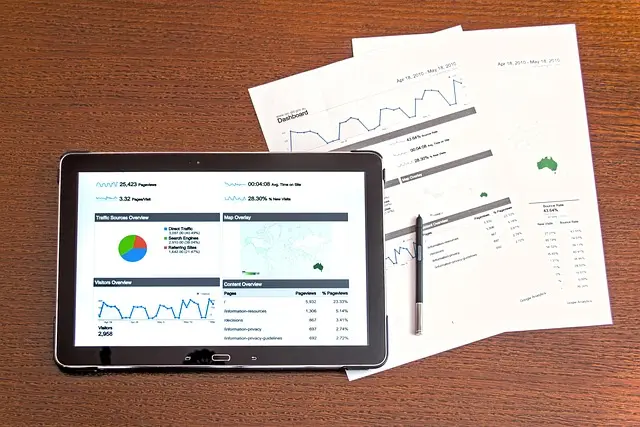
Once the data is collected, it needs to be analyzed. This is typically where advanced analytical tools come into play. Data scientists often engage in techniques such as machine learning and predictive analytics to process this information. For instance, algorithms can analyze purchasing trends over time, helping shops understand which products to stock up on during peak seasons.
Step 3: Implementation
The insights gained from data analysis lead to actionable strategies. For example, stores might decide to personalize marketing campaigns based on the purchasing behavior of different customer segments. According to Deloitte, personalization can enhance customer satisfaction and loyalty, ultimately driving sales.
Comparative Analysis of Retailer Strategies
A thorough comparison of different smart shops helps underline the importance of tailored analytics. Below is a table outlining how various types of smart shops utilize big data differently:
| Retail Type | Data Use | Customer Interaction | Technologies Involved |
|---|---|---|---|
| Grocery Stores | Inventory management | In-store shopping behavior | IoT sensors, predictive analytics |
| Apparel Retailers | Personalized marketing campaigns | Online and offline shopping | CRM systems, machine learning |
| Specialty Shops | Customer sentiment analysis | Tailored customer experiences | Social media analytics, feedback tools |
| E-commerce Sites | Real-time price adjustments | Online shopping experience | A/B testing tools, recommendation engines |
Drop Dash Deals Screen Clip Phone Mount, Universal Smartphone Holder Screen Clip Phone Mount, Universal Smartphone Holder
inspireuplift.com

WHALL - 2 Slice Toaster, Toasters 2 slice, Smart Bread Toaster, Touchscreen Toaster wide slots - Stainless Steel
bestbuy.com

Analytical Insights: The Future of Smart Shops
Today, smart shops are not only looking at past data but also employing forward-looking analytics to predict trends and enhance customer experience. The rise of AI and machine learning in analyzing customer sentiment and purchasing habits allows shops to adapt their strategies proactively.
According to a study by Statista, over 60% of retailers reported that they use data analytics in their operations, stating that it leads to improved decision-making and better customer service. The appetite for real-time analytics—where data is used to make immediate decisions about inventory and marketing—is also growing, making the investment in robust data systems highly worthwhile.
💡 Expert Opinion: "The most successful retailers today are those who harness data not only for understanding their customers but also for enhancing the overall shopping experience. By focusing on proactive analytics, brands can stay ahead of market trends and consumer needs, ensuring they remain relevant in an ever-changing landscape."
FAQ about Big Data in Smart Shops
- What is the primary benefit of using big data in retail?
Big data helps retailers understand customer behavior more accurately, allowing them to tailor their offerings and improve customer satisfaction.
- How is big data collected in smart shops?
Data is collected through various means including POS systems, online transactions, and customer feedback forms.
- What technologies are essential for data analysis?
Technologies such as machine learning, predictive analytics, and AI algorithms are crucial for analyzing big data effectively.
- How can retailers ensure data privacy?
Retailers must comply with privacy regulations like GDPR and implement strict data protection measures to ensure customer trust.
Checklist for Implementing Big Data in Smart Shops
- [ ] Identify key data sources for collection
- [ ] Choose appropriate analytics tools
- [ ] Train staff on data interpretation
- [ ] Develop strategies based on data insights
- [ ] Ensure compliance with privacy regulations
- [ ] Continuously monitor and adjust strategies based on data trends
Glossary
| Term | Definition |
|---|---|
| Big Data | Large volumes of data generated from various sources that can be analyzed for insights and trends. |
| Predictive Analytics | Techniques that use historical data to predict future outcomes, enhancing decision-making. |
| IoT (Internet of Things) | Network of interconnected devices that collect and exchange data to improve operations. |

Smart Smartphone Case - For Samsung Galaxy XCover6 Pro Smartphone - Black
bestbuy.com

MOVO - PR-1 Smartphone Grip Handle Rig - Compatible with Most Smartphones
bestbuy.com

Movo PR-1 Smartphone Grip Handle Rig - Compatible with Most Smartphones black
shop.simon.com
Conclusion
In the dynamic world of smart shops, the integration of big data into daily operations offers a vital pathway to understanding customer preferences and behaviors. As we advance, those retailers who not only adopt big data technologies but also create strategies around these insights will likely lead the market.
To take your smart shop operations to the next level, consider investing in a robust data analytics framework.
📺 For more insights: Find us on YouTube for videos on leveraging big data in retail and driving smarter customer engagement.
📺 Pour aller plus loin : how smart shops use big data 2026 sur YouTube
Recommended products
Selected by our experts