Table of Contents (14 sections)
In today’s rapidly evolving retail landscape, creating a seamless omnichannel experience for your smart shop is pivotal. The omnichannel approach integrates various shopping channels to ensure customers enjoy a cohesive experience across platforms. According to recent studies, businesses employing an omnichannel strategy can increase customer retention by up to 89% (source: UFC-Que Choisir). Here’s how you can implement these strategies effectively.
1. Understand Your Customer Journey
Before you can implement an omnichannel experience, it’s crucial to map out the customer journey. Understand where your customers are coming from—whether they’re online, in-store, or via mobile apps.
Steps to Understand Customer Journey:
- Gather data: Use analytics tools to track customer behavior on different channels. Google Analytics and customer surveys can provide insights into preferences and behaviors.
- Identify touchpoints: Determine the key interactions customers have with your brand. This could include website visits, social media engagement, and in-store visits.
- Evaluate experiences: Analyze how customers transition between different platforms. Are they encountering any barriers? Review common pain points through customer feedback.
By fully understanding the customer journey, you can tailor your strategy to ensure customers experience the same level of service, no matter how they engage with your brand.
2. Integrate Technology Seamlessly
Utilizing the right technology is essential to create a holistic omnichannel experience. Point-of-Sale (POS) systems, Customer Relationship Management (CRM), and e-commerce platforms need to work coherently.
Best Practices for Technology Integration:
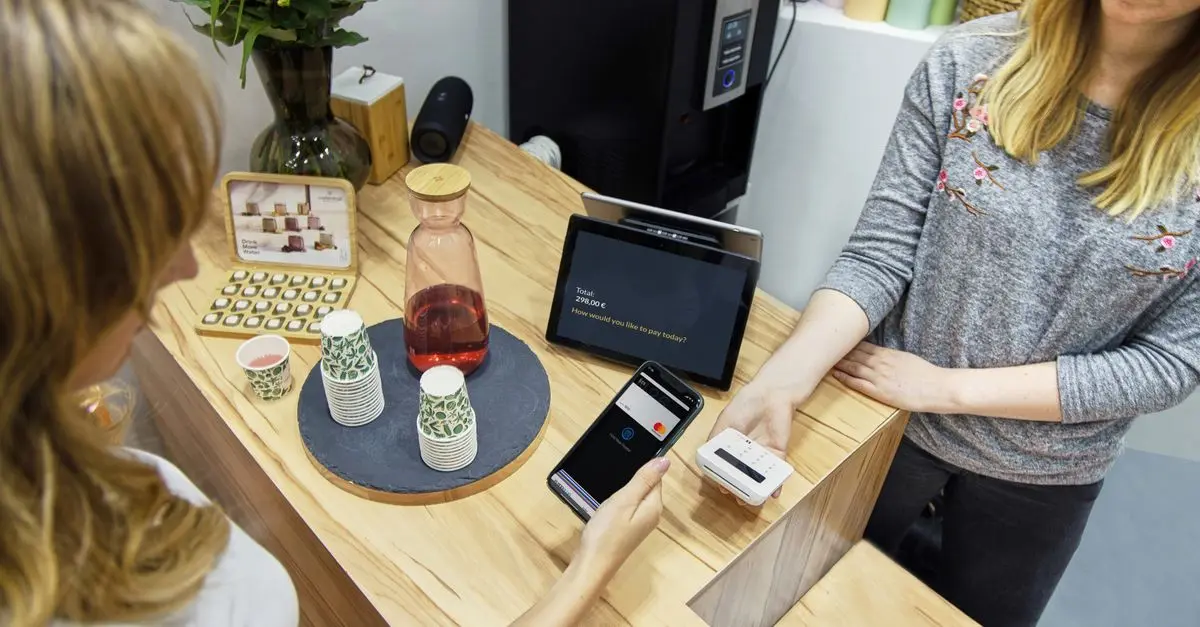
- Unified systems: Choose a POS system that integrates with your online store. This helps streamline inventory management, ensuring consistency between online and in-store stock levels. Platforms like Shopify and Square offer excellent solutions that cater to omnichannel needs.
- Data sharing: Ensure customer data flows between your channels. This includes purchase history and preferences, helping create personalized experiences.
- Mobile optimization: With the increasing trend of mobile shopping, ensure your website and applications are mobile-friendly, offering easy navigation and a smooth checkout process.
A well-integrated technological stack not only enhances customer experience but also boosts operational efficiency.
📺 For further exploration: [Creating an Effective Omnichannel Strategy], Dive deeper into smart shop solutions. Search on YouTube: "omnichannel experience smart shop 2026".
3. Personalize Customer Interactions
Personalization enhances customer engagement. By utilizing customer data, you can tailor experiences to meet individual preferences.
Tips for Personalization:
- Segmentation: Divide your audience into groups based on their shopping behavior and preferences. Tools like Mailchimp can help segment email lists for targeted marketing.
- Dynamic content: Use personalized recommendations on your website. For example, if a customer frequently buys electronics, highlight the latest gadgets upon their visit.
- Loyalty programs: Implement a rewards system to encourage repeat purchases. Research indicates that customers engaged in loyalty programs generate more revenue than those who aren’t (source: Les Numériques).
Effective personalization can significantly impact customer loyalty and retention, potentially driving sales growth.
4. Consistent Branding Across Channels
One critical aspect of an omnichannel experience is maintaining consistent branding. Customers should recognize your brand no matter where they interact with it.
Ways to Ensure Branding Consistency:
- Unified design: Use the same color schemes, logos, and messaging across online platforms and physical stores. Consistency fosters familiarity and trust.
- Brand voice: Maintain a similar tone in your communications, whether through social media, email, or direct customer service interaction. It helps build brand identity.
- Employee training: Ensure that all employees understand the brand message and values, as they represent the brand during customer interactions.
When customers encounter a consistent brand presence, it strengthens trust and enhances brand loyalty.
5. Analyze Data Continuously
The final step in developing an omnichannel experience is analyzing data continuously. Regular analysis helps you stay ahead of market trends and customer needs.
Data Analysis Techniques:
- Customer feedback: Regularly seek feedback through surveys and reviews. Understand what's working and what isn’t. Tools like SurveyMonkey can simplify this process.
- Performance metrics: Track sales data, engagement rates, and conversion statistics across channels. Google Analytics is an invaluable tool here.
- Adapt strategies: Use insights gained from metrics to enhance your strategies continually. Adjust marketing campaigns based on performance to engage customers better.
By fostering a culture of continuous improvement through data analysis, your smart shop will remain competitive in the evolving retail landscape.
Checklist before Implementation
- [ ] Map the customer journey thoroughly
- [ ] Integrate your technology systems
- [ ] Personalize customer interactions
- [ ] Maintain brand consistency across channels
- [ ] Establish data analysis processes
Glossary
| Term | Definition |
|---|---|
| Omnichannel Experience | A multichannel approach to sales that aims to provide customers with a seamless shopping experience. |
| Customer Journey | The complete series of experiences that customers go through when interacting with your brand. |
| Personalization | Tailoring interactions and experiences based on individual customer data and preferences. |
> 🧠 Quick Quiz: What is a crucial element of a successful omnichannel strategy?
> - A) High prices
> - B) Inconsistent branding
> - C) Seamless technology integration
> Answer: C — Seamless technology allows for a better customer experience across all platforms.
In conclusion, implementing a seamless omnichannel experience in your smart shop involves understanding the customer journey, integrating technology, personalizing interactions, maintaining branding consistency, and continuously analyzing data. Taking a strategic approach will help your business provide an experience that keeps customers returning. Try out these steps to transform your shop today!
📺 Pour aller plus loin : omnichannel experience smart shop 2026 sur YouTube