Table of Contents (16 sections)
Creating an engaging smart shop experience is essential in today’s retail landscape. As customer expectations evolve, so do the methods to meet and exceed them. Smart shops use advanced technology and data-driven strategies to enhance customer interactions, leading to improved satisfaction, loyalty, and sales. In this tutorial, we will explore a step-by-step guide to crafting a customer-centric shopping environment that resonates with the modern consumer.
Step 1: Understand Your Customer
To create an engaging smart shop experience, start by gaining insights into your target audience. Conduct surveys, interviews, or use analytics tools to understand your customer's preferences, shopping habits, and needs. For instance, according to Econsultancy, 93% of customers are more likely to return to a retailer that personalizes their shopping experience.
Professional tip: Utilize customer segmentation to tailor offerings to different groups. Personalized promotions or product recommendations can significantly enhance engagement. Avoid generic messaging that fails to resonate. Instead, focus on creating meaningful connections with your clientele.
Step 2: Leverage Technology
Incorporate technology to streamline the shopping process. Use interactive displays, virtual reality (VR), or augmented reality (AR) to create immersive shopping experiences. For example, letting customers virtually try on clothes or see how furniture looks in their homes can drive engagement. According to a study by Cisco (2025), integrating AR into shopping can boost conversion rates by up to 40%.
Ensure your technology is user-friendly and accessible. Avoid complex interfaces that can confuse customers. Regularly update software to improve functionality and security. Investments in technology must align with customer preferences to result in a truly engaging experience.
Step 3: Streamline the Checkout Process
An efficient checkout process is vital for a positive shopping experience. Utilize mobile payment options, self-checkout kiosks, or integrated systems that allow customers to check out seamlessly. Many customers abandon carts due to lengthy or complicated checkout processes. According to Baymard Institute, 69.57% of online shoppers abandon carts due to a complicated checkout process.
Best Practices for Checkout:
- Offer multiple payment options (credit cards, mobile wallets, etc.)
- Keep the process concise; ideally limit it to two to three steps.
- Provide a clear summary of charges before final confirmation.
Mistakes to Avoid:
- Don't overwhelm customers with upsells during checkout.
- Avoid requiring account creation for purchases; allow guest checkout to speed up transactions.
Step 4: Create a Comfortable Atmosphere
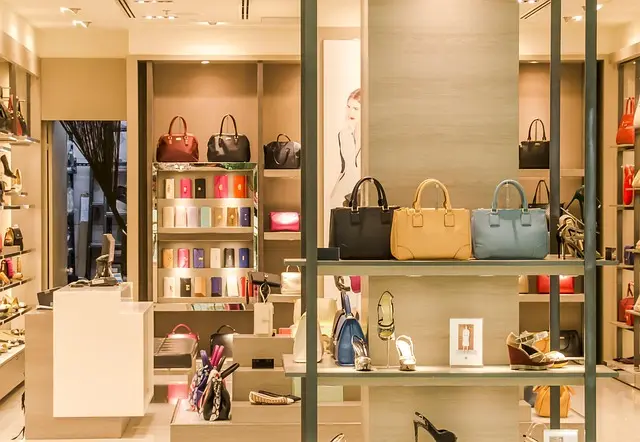
The physical environment of your smart shop significantly impacts customer engagement. Pay attention to store layout, lighting, and music, which can enhance or detract from the shopping experience. Environmental Psychology research suggests that pleasant environments lead to increased time spent in store and higher sales. Add comfortable seating areas and interactive displays that make shopping enjoyable.
Tips for Enhancing Atmosphere:
- Use soft lighting to create a welcoming environment.
- Change the shop's visual merchandising regularly to keep the experience fresh.
- Use scents to create a pleasant olfactory experience, as studies have shown aroma can influence spending behavior.
Step 5: Implement Customer Feedback Loops
Collecting customer feedback is crucial for continuous improvement. Use surveys, comment cards, or digital platforms to gather opinions on their shopping experience. Make improvements based on suggestions to enhance fulfillment.
Regularly analyze feedback trends for actionable insights. This not only helps in refining your approach but also demonstrates to customers that their opinions are valued. For example, Zendesk reports that businesses leveraging customer feedback enhance retention rates by 15%.
Step 6: Foster Community Engagement
Encourage community involvement by hosting events such as product launches, workshops, or local partnerships. Utilizing social media channels for promotions and customer engagement increases brand visibility. Create loyalty programs that reward repeat customers. According to Bain & Company, loyal customers are five times more likely to purchase again when they feel appreciated.
Effective Community Engagement Strategies:
- Partner with local businesses to enhance your reach.
- Host events that reflect customer interests, fostering a sense of belonging.
- Use social media contests to enhance engagement and attract new customers.
📺 Resource Video
> 📺 For further insights: How technology is transforming retail, a comprehensive look at the evolution of smart shopping. Search YouTube for: "smart shopping technology 2026".
Comparison Table
| Feature | Option A: Traditional Store | Option B: Smart Shop | Option C: Online Store |
|---|---|---|---|
| Customer Personalization | Low | High | Medium |
| Checkout Experience | Lengthy | Quick | Very Quick |
| Customer Engagement | Passive | Active | Moderate |
| Feedback Mechanism | Rarely Used | Continuous | Rarely Used |
Glossary
| Term | Definition |
|---|---|
| Smart Shop | A retail environment utilizing technology to enhance customer experience. |
| AR (Augmented Reality) | Technology that overlays digital information onto the real world for interactive experiences. |
| Checkout Optimization | Reducing friction in the payment process to improve conversion rates and customer satisfaction. |
Checklist before Implementation
- [ ] Understand your target audience.
- [ ] Integrate technology for engagement.
- [ ] Streamline the checkout process.
- [ ] Enhance store atmosphere and comfort.
- [ ] Collect and analyze customer feedback.
- [ ] Engage with the local community.
> 🧠 Quick Quiz: What is the most critical aspect of a smart shop?
> - A) In-store technology
> - B) Customer feedback
> - C) Comfortable atmosphere
> Answer: A — In-store technology enhances customer interaction and engagement.
Conclusion
Creating an engaging smart shop experience requires a blend of understanding customer needs, leveraging technology, and fostering a welcoming environment. By implementing the strategies outlined in this guide, you can create a compelling, customer-centric space that enhances satisfaction and drives loyalty. Remember, a successful smart shop goes beyond just technology—it’s about forging connections and making shopping enjoyable.
📺 Pour aller plus loin : how technology is transforming retail 2026 sur YouTube