Table of Contents (14 sections)
In the evolving landscape of retail, data analytics in smart shops has become a fundamental tool for optimizing operations and elevating customer experiences. By blending traditional retail knowledge with analytical capabilities, businesses can make informed decisions based on real-time data. This article serves as a step-by-step guide to implementing data analytics efficiently in smart shops, enabling you to harness the full potential of data-driven decision-making.
Step 1: Define Your Objectives
Before diving into the integration of data analytics, it's crucial to identify your objectives. Ask yourself:
- What specific problems do you want to solve?
- Are you aiming to improve sales, enhance customer experience, or optimize inventory management?
Setting clear objectives helps outline the direction for your analytics strategy and ensures you have measurable goals to track progress.
A comprehensive approach involves engaging team members from various departments to gather diverse insights. This collaborative strategy not only fosters a sense of ownership but also helps in identifying unique pain points that data analytics can address. For example, if your goal is to enhance customer satisfaction, consider surveying staff about frequent customer complaints, which can direct your analytical focus accordingly.
Step 2: Choose the Right Analytics Tools
Selecting appropriate analytics tools is essential for successful implementation. In 2026, numerous options cater specifically to retail environments. Some popular tools include Business Intelligence (BI) platforms, customer relationship management (CRM) systems, and specific analytics software tailored for retail needs.
When considering your options, look for tools that offer:
- Real-time data processing: This enables immediate insights into customer behavior and inventory levels.
- User-friendly interfaces: Ensures that your team can easily interpret and utilize the data collected.
- Customization flexibility: Adapting the software to fit your specific business model is vital.
It's advisable to test a few tools through free trials to evaluate their effectiveness in your environment before making a commitment. User reviews and case studies can be powerful aids in this selection process.
Drop Dash Deals Screen Clip Phone Mount, Universal Smartphone Holder Screen Clip Phone Mount, Universal Smartphone Holder
inspireuplift.com

WHALL - 2 Slice Toaster, Toasters 2 slice, Smart Bread Toaster, Touchscreen Toaster wide slots - Stainless Steel
bestbuy.com

Step 3: Collect and Integrate Data
Once the tools have been selected, the next step is data collection. Gather data from various sources such as point of sale (POS) systems, online platforms, and customer feedback mechanisms.
Data Types to Consider:
- Transactional Data: Gathered from sales transactions, this data reveals purchasing patterns and peak sale times.
- Customer Interaction Data: Collected from customer inquiries, complaints, and interactions across platforms.
- External Data: Information from social media, market trends, and economic indicators can provide a broader context to your internal data.
Integrating data from multiple sources is crucial for a comprehensive analysis. Use APIs (Application Programming Interfaces) or data warehousing solutions to consolidate your data, enabling seamless analysis across platforms.
Step 4: Analyze the Data
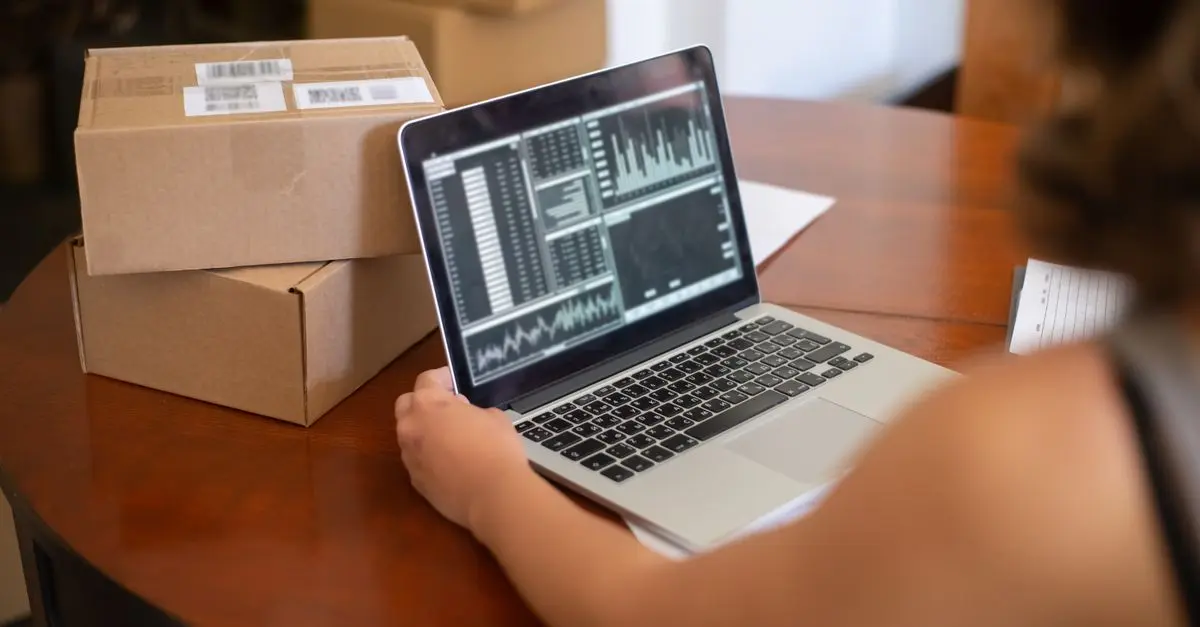
With the data collected and integrated, the next significant step lies in analysis. Employ data visualization tools and analytical frameworks to interpret the information effectively. Use graphs, charts, and dashboards to represent data visually, making it more accessible for your team.
Key Analytic Techniques:
- Descriptive Analytics: Summarizes past data to identify trends, helping businesses understand what has happened over time.
- Predictive Analytics: Utilizes statistical algorithms and machine learning to predict future outcomes based on historical data.
- Prescriptive Analytics: Offers recommendations for actions based on what is likely to happen in the future, improving decision-making processes.
Data analysis is iterative; regularly revisit and refine your analytics strategies based on findings to drive continuous improvement.
Step 5: Take Action on Insights
Data analytics culminates in actionable insights. Based on the data analyzed, create strategies for your business. For instance, if data indicates a spike in sales during specific periods, consider increasing inventory or running targeted promotions during those times.
Implementing Changes:
- Develop Marketing Strategies: Use insights from customer behavior to tailor marketing campaigns that resonate with your target audience.
- Adjust Pricing Models: Real-time data might suggest flexible pricing strategies to optimize revenue.
- Enhance Customer Experience: Tailor your service and product offerings based on feedback gathered through analytics.
Involving team members in the latter stages ensures buy-in and helps in recognizing the changes required from various departments.
Step 6: Monitor and Optimize
The final step involves ongoing monitoring and optimization of your analytics strategies. Set up key performance indicators (KPIs) aligned with your objectives to measure success. Regularly review and adjust your data practices based on performance metrics.
Recommended KPIs:
- Sales Growth Rate: Understanding sales trends over time.
- Customer Retention Rate: Determining the effectiveness of your service adjustments.
- Inventory Turnover Rate: Evaluating product demand and inventory effectiveness.

Smart Smartphone Case - For Samsung Galaxy XCover6 Pro Smartphone - Black
bestbuy.com

MOVO - PR-1 Smartphone Grip Handle Rig - Compatible with Most Smartphones
bestbuy.com

Movo PR-1 Smartphone Grip Handle Rig - Compatible with Most Smartphones black
shop.simon.com
Checklist before Implementation
- [ ] Define clear objectives for data analytics.
- [ ] Select appropriate analytics tools based on your needs.
- [ ] Collect diverse data types for comprehensive insights.
- [ ] Analyze data utilizing effective visualization techniques.
- [ ] Create actionable strategies based on data-driven insights.
- [ ] Monitor KPIs to optimize strategies.
Glossary
| Terme | Définition |
|---|---|
| Data Analytics | The process of examining data sets to draw conclusions about the information they contain. |
| Business Intelligence (BI) | Technologies and strategies used by enterprises for data analysis of business information. |
| Customer Relationship Management (CRM) | A technology for managing a company's relationships and interactions with potential customers and clients. |
📺 Resource Video
To delve deeper into implementing data analytics in retail settings, check out this informative video: How to Optimize Data Analytics in Smart Retail. Search on YouTube for: "data analytics in smart shops 2026".
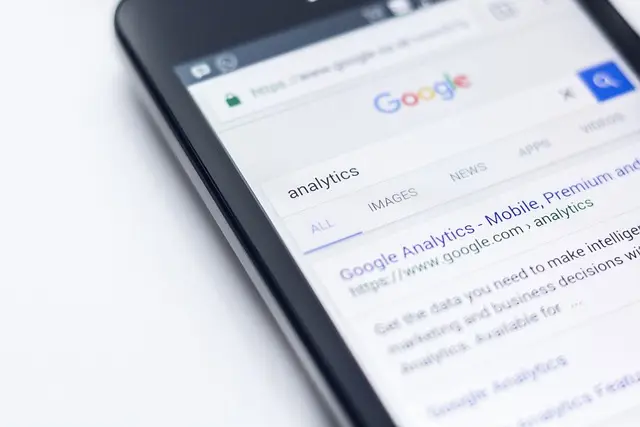
🧠 Quick Quiz: What is a common tool used in data analytics?
- A) Microsoft Word
- B) Google Analytics
- C) Notepad
Answer: B — Google Analytics is widely used for collecting data on digital interactions.
📺 Pour aller plus loin : data analytics in smart shops 2026 sur YouTube
Recommended products
Selected by our experts