Table of Contents (9 sections)
In the rapidly evolving retail landscape, smart shop innovations have become vital for enhancing customer experiences and streamlining operations. As consumer expectations rise, retailers must adapt to technological trends or risk falling behind. This guide provides a clear, step-by-step approach for retailers looking to adopt and implement smart shop technologies effectively.
1. Understanding Smart Shop Innovations
What are Smart Shop Innovations? At its core, smart shop innovations refer to the integration of advanced technologies in retail environments to enhance shopping experiences. This includes anything from mobile payment solutions to automated inventory management systems. For example, AI-driven customer service can provide personalized recommendations, while IoT devices monitor stock levels in real-time. According to a report by Gartner, more than 80% of shoppers prefer stores that offer a mobile payment option, underscoring the need for retailers to evolve.
Why Implement Smart Innovations? The primary benefits include improved efficiency, enhanced customer engagement, and increased sales. Retailers adopting smart technologies often report significant reductions in operational costs. For instance, businesses that implement automated inventory systems can experience a 30% reduction in shrinkage, as noted by a study from Retail Dive.
2. Planning Your Approach
Step 1: Assess Your Current Infrastructure Before diving into new technologies, evaluate your existing infrastructure. Analyze your current systems and determine how they can integrate with new solutions. It’s crucial to identify any gaps in your technological capabilities, whether it's your POS system or inventory management. For example, a retailer using outdated systems might struggle to implement smart technologies efficiently. Conducting a detailed audit will enable you to pinpoint areas needing improvement.
Step 2: Define Clear Objectives Setting clear, measurable objectives is vital. Whether it’s improving customer satisfaction by 20% or increasing sales by 15%, having specific goals will guide your implementation strategy. Utilize key performance indicators (KPIs) as benchmarks for success. For instance, tracking customer engagement levels after introducing smart kiosks can provide insights into the effectiveness of your innovations.
3. Selecting the Right Technologies
Once you have assessed your needs and set objectives, the next step involves identifying which technologies align with your goals. Some popular smart shop innovations include:
- Mobile Payment Solutions: Simplify transactions and enhance customer convenience.
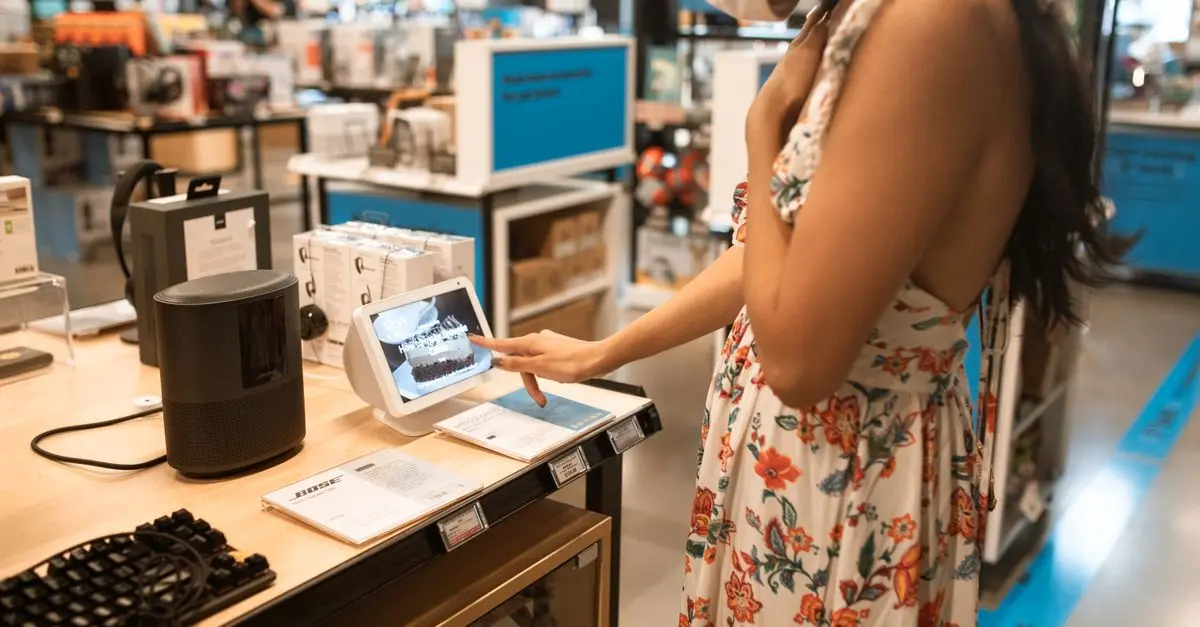
- Interactive Kiosks: Allow customers to browse products, check inventory, and place orders without staff assistance.
- Smart Mirrors: Provide virtual fitting experiences without the need for physical trials.
Building a comparison chart can help. Here is an example:
| Technology | Benefits | Considerations | Cost Range |
|---|---|---|---|
| Mobile Payments | Quick transactions, improved customer experience | Requires device compatibility | $500-$2000 |
| Interactive Kiosks | Self-service for customers, reduced wait times | Staff training for tech support | $3000-$7000 |
| Smart Mirrors | Enhanced shopping experience | Initial setup can be complex | $2000-$5000 |
Gather feedback from both customers and employees during this phase. Use surveys and direct interviews to assess their experiences. This information is invaluable for making adjustments before the full launch.
5. Full Rollout and Continuous Improvement
Step 4: Full Implementation and Staff Training After a successful pilot, proceed with the full implementation. Ensure that all staff are adequately trained on the new systems and technologies. A thorough training program can mitigate resistance to change and enhance adoption rates. Include interactive sessions where employees can practice using the new systems under supervision.
Step 5: Monitor Performance and Optimize Continuously monitor the newly implemented technologies against your predefined objectives. Use analytics tools to measure success and identify areas for improvement. Customer feedback should guide iterative changes, ensuring the technology remains aligned with user expectations. For instance, if analytics show low engagement with an interactive kiosk, consider redesigning the user interface.
Conclusion
Implementing smart shop innovations is not just about technology; it's about reshaping the retail experience to meet modern consumer demands. By following this structured approach, retailers can effectively navigate the complexities of adopting new technologies while enhancing their operational capabilities.
Checklist before Implementation
- [ ] Assess current infrastructure
- [ ] Define clear objectives
- [ ] Select appropriate technologies
- [ ] Conduct a pilot program
- [ ] Provide staff training
- [ ] Monitor performance post-launch
Glossary
| Term | Definition |
|---|---|
| Smart Shop | A retail environment enhanced by technology for better customer interaction. |
| IoT (Internet of Things) | Network of connected devices that communicate and share data. |
| KPI (Key Performance Indicator) | Measurable value that demonstrates how effectively a company is achieving critical business objectives. |
> 📺 For further insights: Check out our recommended YouTube video for a detailed analysis of smart shop technologies.
🧠 Quiz rapide: What is the primary benefit of implementing smart shop innovations?
- A) Increased operational costs
- B) Enhanced customer experience
- C) Reduced employee engagement
Réponse : B — Smart shop innovations greatly enhance the shopping experience, leading to increased customer satisfaction.
📺 Pour aller plus loin : smart shop innovations 2026 sur YouTube
Recommended products
Selected by our experts

Twill Waiter Pants, Off White - Service Works Official Shop Off White Medium Unisex
bespokepost.com
The Voyager Bundle, Inkwell Black - Line of Trade Official Shop Inkwell Black One size Unisex
bespokepost.com