Table of Contents (14 sections)
Table of Contents
Understanding Smart Shop Technologies
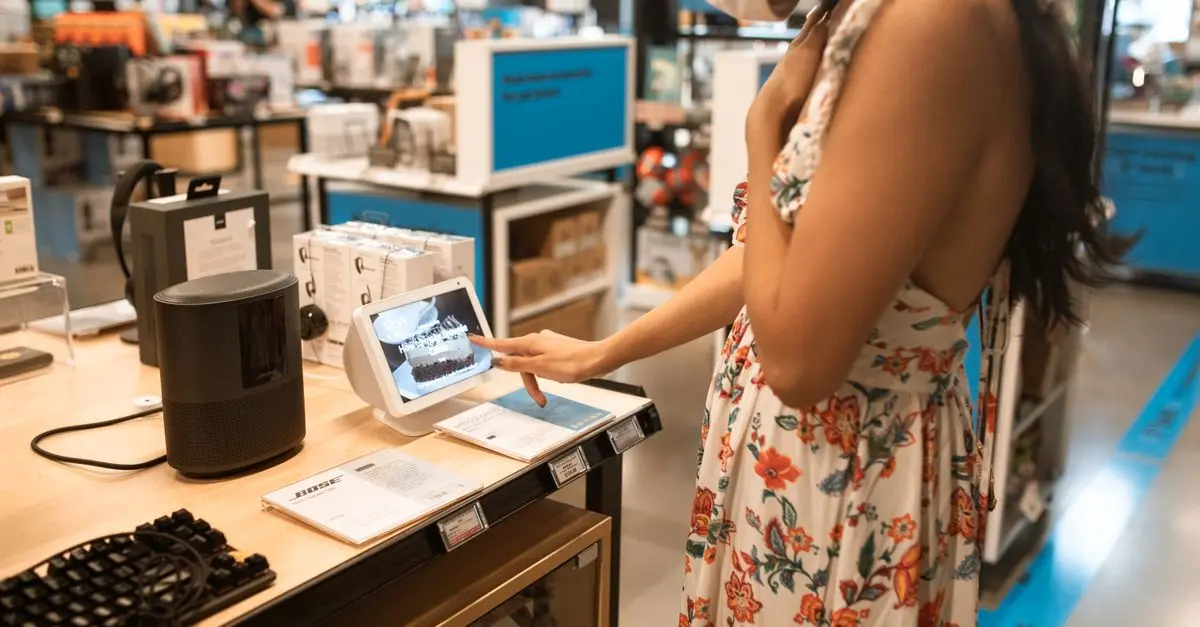
Smart shop technologies encompass a range of tools and systems designed to improve the retail shopping experience by leveraging digital transformations. These technologies may include everything from self-checkout systems, digital kiosks, to advanced analytics that enable businesses to understand consumer behavior in-depth. By implementing such technologies, retailers can not only streamline their operations but also enhance customer satisfaction. For instance, features like contactless payments have gained traction post-pandemic, ensuring a quicker and safer shopping experience. According to a report by UFC-Que Choisir, integrating smart technologies in shops can significantly reduce checkout times and improve customer turnover rates, showcasing the profound impact these implementations have on sales efficiency and customer loyalty.



Phoenix Technologies phcontrolstick - déclencheur avec bluetooth pour appareils iOS et android, Noir
Darty FR
Enhancing Customer Experience
Smart shop technologies significantly enhance the customer experience by creating a more streamlined and personalized shopping journey. Digital signage, for example, can provide customers with up-to-date information about promotions and product availability. Furthermore, augmented reality (AR) applications allow shoppers to visualize products in their homes before buying, effectively bridging the gap between online and offline shopping experiences. According to research published in Les Numériques, stores that have integrated AR technologies reported a 30% increase in customer engagement, highlighting the importance of interactive elements in nurturing loyalty. Additionally, implementing chatbots to assist with customer queries in real-time helps in reducing wait times, offering quick resolutions to issues, thus improving overall satisfaction.
Streamlining Operations
By automating routine tasks with smart shop technologies, retailers can drastically streamline their operations. Self-checkout kiosks, for instance, allow customers to independently complete their purchases, freeing up staff to focus on enhancing customer service or handling complex inquiries. Additionally, automated inventory management systems reduce the likelihood of stock discrepancies by providing real-time data on stock levels. This efficiency not only saves time but also reduces labor costs. As stated by an analysis from 60 Millions de Consommateurs, stores utilizing automated solutions saw a 20% reduction in operational costs within the first year of implementation. Businesses that adapt to these streamlined methods not only enhance operational efficiency but also improve their profitability.
Data-Driven Decision Making
Smart shop technologies empower retailers with valuable insights derived from data analytics. Through point-of-sale systems integrated with buyer data, businesses can analyze purchasing trends and consumer behavior. This capability allows for strategic decisions informed by actual market data rather than assumptions. For instance, the INSEE published a study showcasing that retailers who harnessed customer data were able to increase targeted marketing efforts, improving conversion rates by over 25%. Additionally, predictive analytics can aid in forecasting trends, enabling businesses to adjust their inventory and marketing strategies proactively.
Improving Inventory Management
Effective inventory management is vital for retail success, and smart technologies play a crucial role in this aspect. Implementing RFID (Radio Frequency Identification) technology allows for accurate tracking of stock levels in real-time, drastically reducing instances of overstocking or stockouts. A report by ADEME reveals that retailers using RFID experienced a 50% reduction in inventory discrepancies. Furthermore, advanced inventory management systems can automate reorder processes, ensuring that popular products are always in stock. This not only enhances sales opportunities but also boosts customer satisfaction by meeting their demands promptly.
Personalization of Shopping Experience
The personalization capabilities of smart shop technologies are perhaps one of their most impactful benefits. Utilizing data analytics, retailers can tailor promotions and product recommendations to individual customer preferences, leading to higher sales and enriched customer experiences. For example, loyalty programs that track customer purchases can provide personalized discounts or product suggestions, fostering a sense of connection between the consumer and the brand. Darty FR reports that effective personalization can lead to a 20% increase in customer retention rates, demonstrating the value of customizing the shopping journey to individual needs.
Cost Efficiency
Implementing smart shop technologies leads to significant cost savings in various aspects of retail operations. By automating processes, retailers can reduce labor costs while increasing efficiency. Moreover, energy management systems can optimize the use of lighting and climate control, significantly lowering utility bills. According to a study from UFC-Que Choisir, shops that adopted smart energy solutions reduced their costs by approximately 15% annually. These savings can then be redirected toward improving product offerings or enhancing customer experiences.
Integration with Ecommerce
In today's digital landscape, a seamless integration between physical stores and ecommerce platforms is crucial. Smart shop technologies facilitate this integration by offering features like click-and-collect services, where online orders can be picked up in-store. This creates a unified shopping experience and increases convenience for customers. Data integration ensures that inventory levels are consistent across both platforms, eliminating confusion and potential stock issues. As more consumers gravitate towards hybrid shopping models, embracing these technologies will be essential for future growth.
Compliance and Reporting
With evolving regulations surrounding consumer data protection and retail operations, businesses must stay compliant to avoid penalties. Smart shop technologies can assist in ensuring compliance by automating data collection for reporting purposes. For instance, point-of-sale systems can track sales data and customer interactions, which can then be used for compliance audits. According to 60 Millions de Consommateurs, retailers who automate their reporting have a 30% lower chance of non-compliance issues. This not only protects the business but also instills trustworthiness in the eyes of consumers.
Emerging Trends in Smart Shop Technologies
As the retail landscape continues to evolve, so too does the technology that shapes it. Trends like artificial intelligence and machine learning are enhancing inventory forecasting and personalizing shopping experiences further. Moreover, advancements in automation, such as robotics in warehouses and drones for delivery, are reshaping logistics. By staying abreast of these trends, retailers can remain competitive and continually adapt to changing consumer demands. The future of smart shop technologies promises not only to redefine shopping but also to elevate customer relationships to unprecedented levels.
Checklist before Implementation
- [ ] Evaluate current operational efficiency
- [ ] Identify customer experience pain points
- [ ] Research available smart technologies
- [ ] Set comprehensive goals for implementation
- [ ] Train staff on new technologies
Glossary
| Term | Definition |
|---|---|
| Smart Shop Technologies | Innovations that enhance retail through automation and data-driven insights. |
| Data Analytics | The science of analyzing raw data to make conclusions about information. |
| Personalization | Tailoring services or products to individual customer's preferences based on data. |
> 🧠 Quick Quiz: What is a key advantage of smart shop technologies?
> - A) Higher operating costs
> - B) Improved customer experience
> - C) Less inventory
> Answer: B — Smart shop technologies enhance the shopping experience through automation and personalization.
📺 For further exploration: Discover how Smart Technologies are Transforming Retail, a comprehensive analysis of their impact. Search on YouTube: "smart shop technologies trends 2026".
Recommended Products
- - - ---
📺 Pour aller plus loin : smart shop technologies trends 2026 sur YouTube
Recommended products
Selected by our experts
Sarah Chapman Icon Smartsome Night Cream 30ml
Beauty The Shop FR
A premium skincare product can enhance customer experience and satisfaction in beauty retail settings.
Les biotechnologies utilisent des Alc 60caps
DocMorris FR (ex DoctiPharma FR)
Utilizing health products can help retailers cater to the growing health-conscious consumer base.
Phoenix Technologies phcontrolstick - déclencheur avec bluetooth pour appareils iOS et android, Noir
Darty FR
A fingerprint padlock offers smart security solutions for retail environments needing advanced security measures.