Table of Contents (14 sections)
In the competitive world of smart shops, the right marketing channels can make all the difference. As technology continues to evolve, it's crucial for businesses to adapt and leverage various platforms to increase their visibility and attract more customers. This article explores diverse marketing channels tailored for smart shops and how they can boost overall engagement.
1. Social Media Marketing
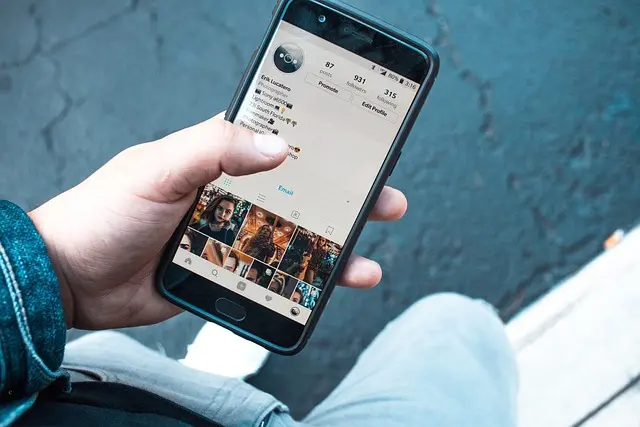
Social media platforms like Facebook, Instagram, and TikTok are invaluable for smart shops. By sharing engaging content, promotional offers, and customer testimonials, businesses can foster a community around their brand. For instance, a smart shop specializing in eco-friendly gadgets can create posts highlighting the benefits of sustainability, thus attracting a community that shares similar values. Utilizing tools like Instagram Stories allows shops to showcase new arrivals and limited-time offers, creating urgency among followers.
2. Email Marketing
Email marketing remains one of the most effective channels for reaching customers directly. According to a study by Campaign Monitor, for every dollar spent on email marketing, businesses can expect an average return of $42. Smart shops can segment their email lists to deliver personalized content based on customer preferences. For example, a smart kitchen appliance shop can send recipe ideas or tips for using newly purchased gadgets, enhancing customer retention.
3. Influencer Partnerships
Collaborating with influencers can significantly amplify a smart shop's reach. By partnering with influencers who align with their brand values, smart shops can tap into established audiences. A fitness-focused smart shop could collaborate with health and wellness influencers, creating authentic content that resonates with their followers. This approach not only boosts visibility but also builds trust, as recommendations from trusted figures carry weight with consumers.
4. Content Marketing
Creating high-quality content is fundamental for establishing authority in the smart shop market. Blogs, videos, and tutorials can position a business as an expert in their field. For example, a smart home security shop could publish blog posts on the importance of security features, increasing website traffic while educating potential customers. According to HubSpot, businesses that prioritize blogging are 13 times more likely to see a positive ROI.
5. Search Engine Optimization (SEO)
Optimizing your online presence for search engines is critical for smart shops. By employing effective SEO strategies, shops can improve their visibility in organic search results. This includes using relevant keywords, optimizing product descriptions, and ensuring a user-friendly website. For instance, a smart decor shop should utilize keywords like "smart home decor ideas" to attract potential customers. According to Moz, 70% of search engine users only click on organic results, highlighting the importance of SEO.
6. Pay-Per-Click Advertising (PPC)
PPC advertising allows smart shops to promote their products to a targeted audience. By utilizing platforms like Google Ads and Facebook Ads, businesses can create ads that appear to users searching for related products. This strategy is particularly effective for smart shops as it drives immediate traffic. For example, a smart shop selling fitness trackers can target ads towards users interested in health and wellness, resulting in higher conversion rates.
7. Local SEO and Listings
For smart shops with physical locations, local SEO is vital. Ensuring that your business is listed on platforms like Google My Business can enhance visibility in local searches. Encouraging customers to leave reviews can also boost credibility and attract new shoppers. In fact, a study by BrightLocal found that 87% of consumers read online reviews for local businesses, proving their significance in decision-making.
8. Affiliate Marketing
Affiliate marketing involves partnering with affiliates who promote your products for a commission on sales generated through their referrals. This method can be highly effective for smart shops, as it allows businesses to reach broader audiences without upfront advertising costs. For instance, a smart electronics shop can work with technology bloggers who can review their products, driving traffic back to the shop through affiliate links.
📺 Resource Video
> 📺 To learn more: Effective Marketing Strategies for Smart Shops, a comprehensive analysis of how various channels can enhance your reach. Search on YouTube: "smart shop marketing strategies 2026".
9. Community Engagement
Engaging directly with the community can enhance the reputation of a smart shop. Hosting workshops, participating in local events, or even sponsoring community activities can create positive brand associations. For example, a smart gardening shop could host free workshops on sustainable gardening techniques, boosting local recognition. This type of grassroots marketing fosters strong community ties and increases customer loyalty.
10. User-Generated Content (UGC)
Encouraging customers to create content featuring your products can be a powerful marketing tool. User-generated content not only showcases real-life applications of your products but also builds a sense of community. For example, a smart home shop can run contests inviting users to share photos or videos of their smart home setups, providing authentic content that can be shared on social media channels.
Glossary
| Term | Definition |
|---|---|
| Smart Shop | A retail store that sells technology-driven products aimed at enhancing daily life. |
| SEO | The practice of optimizing content and websites to improve visibility in search engine results. |
| PPC Advertising | A model of internet marketing where advertisers pay a fee each time their ad is clicked. |
Checklist before implementing marketing channels
- [ ] Identify target audience clearly
- [ ] Optimize website for SEO
- [ ] Develop engaging social media content
- [ ] Create an email marketing plan
- [ ] Explore influencer partnerships
- [ ] Utilize PPC advertising effectively
- [ ] Encourage community engagement
- [ ] Gather user-generated content
🧠 Quick Quiz: Which marketing channel is best for direct customer engagement?
- A) Social Media
- B) Email Marketing
- C) Content Marketing
Answer: A — Social Media offers real-time interaction and engagement with customers.