Table of Contents (21 sections)
In the ever-evolving landscape of retail, smart shopping trends are crucial for businesses aiming to stay ahead of the curve. As we advance into 2026, technology continues to reshape the shopping experience, influencing both consumer behavior and retailer strategies. This article explores the latest trends that will define the smart shopping world and offers actionable insights for retailers.
The Rise of Personalized Shopping Experiences
Understanding Personalized Shopping
Personalization has emerged as a cornerstone of modern retail. In 2026, consumers increasingly expect tailored experiences that cater to their individual preferences. According to a survey conducted by Epsilon, 80% of consumers are more likely to make a purchase when brands offer personalized experiences. This expectation is fueled by advancements in AI and machine learning, which enable retailers to analyze shopping behaviors and tailor recommendations accordingly.
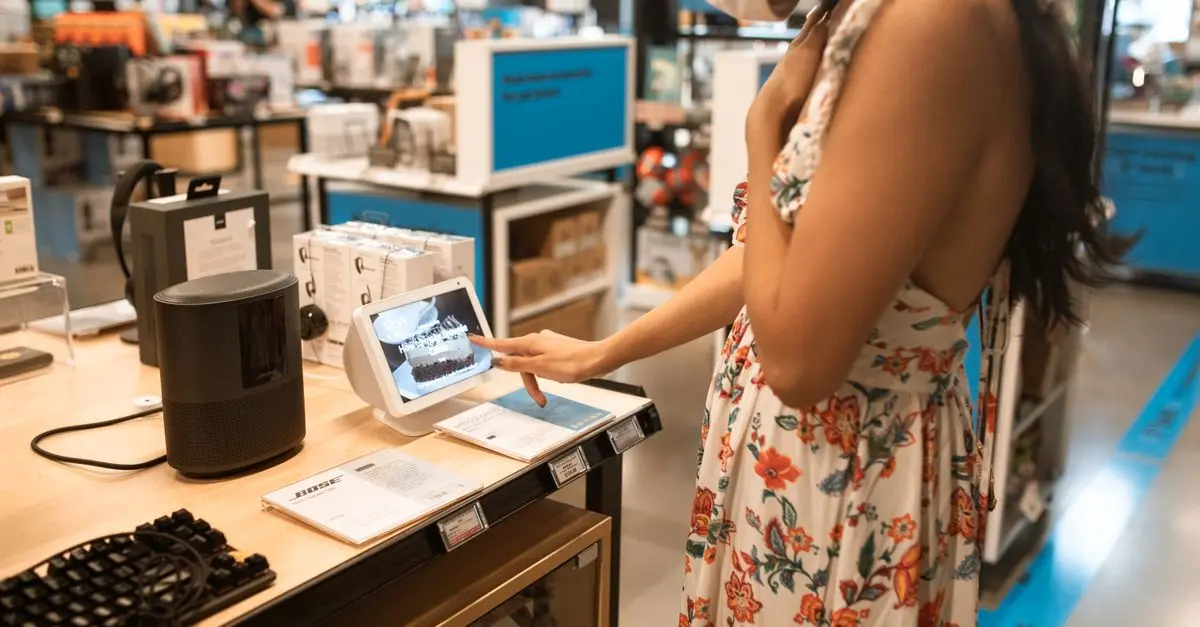
For example, online retailers like Amazon and Netflix utilize sophisticated algorithms that suggest products and content based on past purchases or viewing history. This trend is shifting beyond online shopping into physical stores through technologies like augmented reality (AR), which can present tailored products to consumers based on their preferences as they shop.
Importance for Retailers
Retailers not adopting personalization risk alienating consumers who crave tailored interactions. As personalization evolves, the successful implementation will rely on robust data analytics to understand consumer behavior better and on strategies for effectively utilizing that data.
Integration of Augmented Reality (AR) in Retail
The Game-Changer of AR
As we head further into 2026, we observe a significant uptick in the use of augmented reality (AR) within the shopping experience. Retail giants like IKEA and Sephora have successfully incorporated AR into their mobile apps, allowing customers to visualize products in their own environment or try on products virtually before making a purchase. Statistics show that 61% of consumers prefer retailers that offer AR experiences and interactions.
The significance of AR lies not just in enhancing customer engagement but also in reducing return rates. According to studies from McKinsey, AR can help reduce returns by up to 30% in specific categories such as furniture and clothing, thus improving both customer satisfaction and retailer profit margins.
Strategic Insights
Retailers looking to implement AR must consider their target audience and the types of products suitable for AR integration. Developing mobile applications or partnering with existing platforms can effectively attract a tech-savvy customer base.
Smart Shopping Spot CD Slot Car Mount, Universal Car Mount For Tablet, Phone Holder For Smartphone CD Slot Car Mount, Universal Car Mount For Tablet,
inspireuplift.com
Smart Shopping Spot Adjustable Tablet Car Mount Holder, Cup Holder Base For Tablets In Car With Heavy Duty Design Adjustable Tablet Car Mount Holder,
inspireuplift.com
Smart Shopping Spot Car Dashboard Tablet Holder, Suction Mount For Tablets Car Dashboard Tablet Holder, Suction Mount For Tablets
inspireuplift.com
Contactless Shopping Solutions
Evolving Standards for Convenience
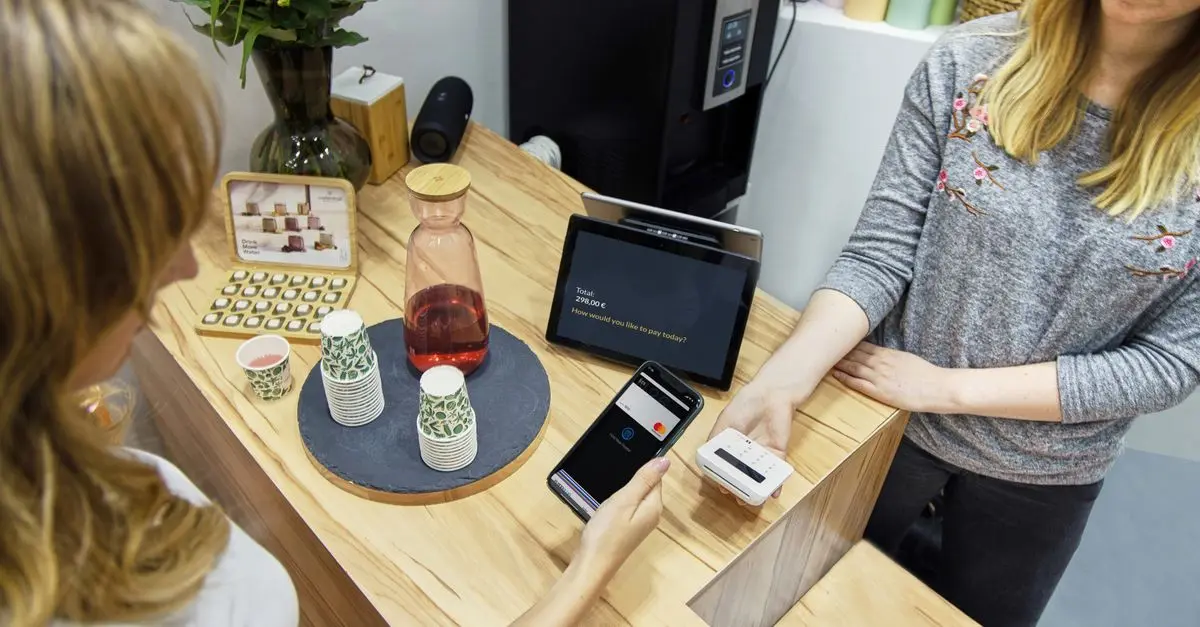
The pandemic significantly accelerated the trend towards contactless shopping solutions, and this trajectory continues. By 2026, consumers expect seamless and secure payment methods across all platforms. Contactless payments, including digital wallets and mobile payment apps, have witnessed tremendous growth, with Statista predicting that the global value of contactless payments will reach $6 trillion by 2026.
Retailers that integrate these solutions not only streamline the purchasing process but also enhance customer safety and convenience. Companies like Apple Pay and Google Pay have gained traction as they offer secure payment options without the need for physical interaction.
Recommendations for Retailers
To adapt to this trend, retailers should invest in user-friendly interfaces and ensure that their payment technologies are secure and reliable. Providing diverse payment methods will further enhance customer satisfaction.
Sustainability as a Driving Factor
Greener Retail Solutions
Sustainability is no longer a choice but a consumer requirement. In 2026, brands that embrace sustainable practices are likely to gain a competitive edge. According to a report from Nielsen, 73% of millennials are willing to pay more for sustainable products, underscoring the importance of integrating environmentally friendly practices into business models. Retailers must consider not just the sustainability of their products but also their supply chains, packaging, and logistics.
For instance, major brands like Patagonia have built their reputation on sustainability, leading to a loyal customer base and higher sales. Investing in eco-friendly materials and transparent supply chains can help brands connect with eco-conscious consumers.
Future Implications
Retailers not prioritizing sustainability risk losing customer loyalty. Creating transparent and robust sustainability policies is essential for building trust with modern consumers.
The Influence of Social Commerce
Redefining Buying Channels
Social commerce has become a vital aspect of retail in 2026, as increasing numbers of consumers prefer purchasing directly through social media platforms. A report from Hootsuite indicated that 54% of social media users browse products on these platforms. Retailers can leverage social media’s visual nature to create compelling advertisements that directly lead to sales.
Platforms like Instagram and TikTok are integrating shopping features that allow users to purchase products directly from their feeds, creating a convenient and engaging shopping experience.
Strategic Approaches
Brands can capitalize on this trend by focusing on influencer collaborations and leveraging user-generated content. By building an authentic community around their products, retailers can drive engagement and conversions.
Data-Driven Decision Making
Harnessing the Power of Analytics
In 2026, data-driven decision-making remains crucial for retailers aiming for growth and competitiveness in the smart shopping landscape. The ability to analyze customer behavior and sales data allows businesses to make informed decisions on inventory, marketing strategies, and customer engagement.
Reports from Deloitte show that companies that adopt data-driven practices can increase their profitability by up to 30% compared to their peers. Using insights from data analytics, retailers can identify trends and consumer preferences, ultimately improving their return on investment.
Implementation Strategies
To optimize data use, retailers need to invest in powerful analytics tools and foster a data-driven culture within their teams. Using platforms such as Google Analytics or specialized retail analytics software can enhance visibility into consumer behaviors and preferences.
Smart Shopping Spot Women Sheer Lace Top Slim Fit Long Sleeve Round Neck Undershirt For Spring Casual Streetwear khaki l
inspireuplift.com
Smart Shopping Spot Anime Car Decoration Accessories, Big Long Hair Hot Stamping Dot Dice Plush Toy Cube Pendant, Auto Pendant pink
inspireuplift.com

Los Angeles Apparel RLH3405 - Embellished Leather Shopping Bag
losangelesapparel.net
📺 Resource Video
📺 For further insights: Uncovering the Future of Smart Shopping Trends, a deep analysis of the latest developments and consumer expectations. Search for: `
Recommended products
Selected by our experts

Bellroy Market Tote Plus Large Foldable Shoulder Shopping Bag Copper - Copper
bellroy.com

Bellroy Market Tote Plus Large Foldable Shoulder Shopping Bag Hot Sauce - Hot_sauce
bellroy.com


Bellroy City Tote Compact Foldable Shoulder Shopping Bag Burgundy - Burgundy
bellroy.com

Bellroy City Tote Compact Foldable Shoulder Shopping Bag Hot Sauce - Hot_sauce
bellroy.com
Uplifted Trends Breathable Zero Pressure Cervical Neck Pillow Washable TPE Latex Support For Neck Pain Relief no Pillowcase
inspireuplift.com