Table of Contents (25 sections)
The smart shop landscape is evolving rapidly, driven by technology, consumer preferences, and market dynamics. As we delve into 2026, understanding these smart shop trends becomes paramount for retailers aiming to stay competitive. This article breaks down the five essential trends shaping the future of smart shops today, providing insights and actionable strategies.
1. Personalization through AI
What is AI Personalization?
Personalization in smart shops refers to leveraging Artificial Intelligence (AI) to tailor shopping experiences to individual customer preferences. This trend is becoming increasingly critical as customers now expect a seamless, personalized experience when shopping.
The Importance of Personalization
Statistics show that 80% of consumers are more likely to make a purchase when brands offer personalized experiences. As smart shops integrate AI-driven solutions, they collect and analyze customer data to deliver real-time personalized recommendations. For instance, through machine learning algorithms, smart shops can suggest products based on previous purchases and browsing behavior.
Real-World Application
A notable example is Amazon, which utilizes sophisticated algorithms to analyze user behavior and recommend products accordingly. In 2026, this trend is expected to expand as more retailers adopt similar AI solutions, aiming to enhance customer satisfaction and loyalty. By investing in AI personalization, businesses not only increase sales but also foster deeper customer relationships.
2. Integration of Augmented Reality (AR)
What is Augmented Reality?
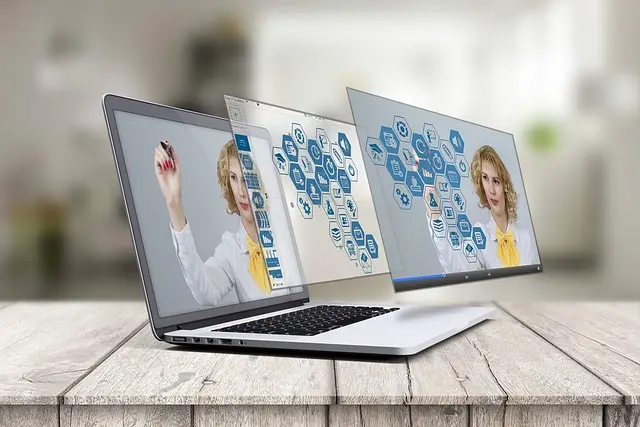
Augmented Reality (AR) is the technology that overlays digital information in the real world, enhancing the shopping experience by making it more interactive and engaging.
Benefits of AR in Smart Shops
AR allows customers to visualize how products would look in their environment, revolutionizing the shopping experience, particularly in sectors like home décor and fashion. According to a recent study, 61% of consumers prefer retailers that offer AR experiences.
Key Examples
IKEA has effectively implemented AR through its app, allowing customers to visualize furniture in their homes before purchasing. In 2026, smart shops that implement AR are more likely to engage customers and decrease return rates, as they enable informed purchasing decisions.
Uplifted Trends Breathable Zero Pressure Cervical Neck Pillow Washable TPE Latex Support For Neck Pain Relief no Pillowcase
inspireuplift.com
Drop Dash Deals Screen Clip Phone Mount, Universal Smartphone Holder Screen Clip Phone Mount, Universal Smartphone Holder
inspireuplift.com

WHALL - 2 Slice Toaster, Toasters 2 slice, Smart Bread Toaster, Touchscreen Toaster wide slots - Stainless Steel
bestbuy.com
3. Sustainability as a Business Strategy
Why Sustainability Matters
Sustainability has become a significant consideration for consumers in 2026, with over 70% of shoppers willing to pay more for eco-friendly products. Smart shops are now prioritizing sustainability in their business models to meet this demand.
Implementation of Sustainable Practices
This includes using sustainable materials, minimizing waste, and incorporating circular economy principles. Brands like Patagonia are leading the charge by creating high-quality sustainable goods and promoting environmental responsibility.
Predictions
As concerns regarding climate change grow, smart shops that adopt sustainability not only foster loyalty but also attract a new customer base focused on ethical consumption. Investing in sustainable practices will be a winning strategy in the competitive smart shop landscape.
4. Contactless Shopping Experiences
The Rise of Contactless Shopping
The COVID-19 pandemic sped up the trend toward contactless shopping, which remains essential in 2026 as health concerns linger in consumer minds. Contactless technology enhances convenience and safety, making it a vital part of the smart shopping experience.
Examples of Contactless Innovations
From mobile payment systems to smart carts that allow for self-checkout, various technologies facilitate this trend. For instance, smart shops are adopting systems that enable customers to complete their transactions by simply scanning their smartphones at checkout.
Future Expectations
As contactless shopping continues to evolve, retailers will integrate advanced technologies like NFC (Near Field Communication) and QR codes, enhancing the shopping experience while ensuring safety. Expect innovations in this space to prioritize speed and ease of use.
5. Enhanced In-Store Experience
Importance of In-Store Engagement
Despite the rise of e-commerce, the in-store experience remains crucial for smart shops. In 2026, an enhanced in-store experience that merges physical and digital shopping will be a pivotal trend.
Innovative Strategies for Engagement
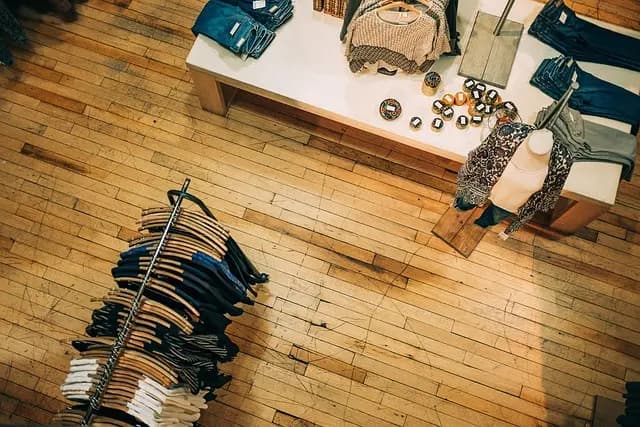
Employing technologies like digital kiosks, interactive displays, and personalized customer service can significantly improve in-store engagement. Brands like Nike have effectively transformed their stores into interactive environments that encourage customer involvement.
Future Trends
As smart shops focus on creating immersive experiences, technology will play a key role in ensuring that physical stores offer something unique compared to online platforms. With significant investments in enhancing in-store experiences, retailers can expect increased foot traffic and ultimately, higher sales.
Conclusion
Staying ahead in the fast-paced smart shop world requires adaptability and a keen understanding of emerging trends. From leveraging AI for personalization to enhancing sustainability practices, the strategies discussed here empower retailers to create compelling shopping experiences in 2026.


Smart Smartphone Case - For Samsung Galaxy XCover6 Pro Smartphone - Black
bestbuy.com

MOVO - PR-1 Smartphone Grip Handle Rig - Compatible with Most Smartphones
bestbuy.com
📺 Resource Video
📺 For further exploration: Learn about the future of shopping in the age of technology, an insightful analysis into smart shop trends. Search for: "2026 smart shopping trends".
Checklist before Implementation
- [ ] Analyze customer data for personalization
- [ ] Invest in AR technology
- [ ] Review sustainability practices
- [ ] Upgrade to contactless payment systems
- [ ] Enhance physical shopping experiences
Glossary
| Term | Definition |
|---|---|
| AI Personalization | Utilizing machine learning to customize shopping experiences based on user data. |
| Augmented Reality | Technology that overlays digital information onto the real world for interactive experiences. |
| Contactless Payment | Transactions completed without physical contact, enhancing safety and convenience. |
---
📺 Pour aller plus loin : 2026 smart shopping trends sur YouTube
Recommended products
Selected by our experts

Movo PR-1 Smartphone Grip Handle Rig - Compatible with Most Smartphones black
shop.simon.com