Table of Contents (16 sections)
The retail landscape is undergoing a transformation driven by smart shopping technologies. As a blend of artificial intelligence, machine learning, and data analytics, these technologies are reshaping the way consumers engage with products and brands. By leveraging advanced data insights, retailers can offer personalized shopping experiences that meet the evolving preferences of consumers. This article delves into key trends expected to dominate the smart shopping world in 2026.
Trend 1: AI-Powered Personalization
Personalization has evolved from a marketing buzzword to a fundamental expectation among consumers. According to a report from McKinsey, 71% of consumers expect personalized interactions with brands. In 2026, AI-powered algorithms will analyze consumer behavior to create tailor-made experiences. For instance, businesses might employ AI to curate product recommendations or create dynamic pricing strategies based on individual purchase histories. This level of personalization fosters trust and strengthens relationships between consumers and brands, as they feel valued and understood.
Trend 2: Omnichannel Shopping Experiences
The future of retail is omnichannel, necessitating that brands provide seamless experiences across various platforms—online, in-store, and mobile. Data from Salesforce indicates that 73% of consumers use multiple channels during their shopping journeys. As a result, businesses are investing in technologies that ensure a cohesive brand experience. For example, integrating a customer’s online shopping cart with in-store inventory can make the buying process smoother. By 2026, consumers will increasingly demand this level of integration, expecting to transition effortlessly from browsing to purchasing.


invisaWear Technologies Corporation Safety Classic Keychain - Gold Flower
sharperimage.com

Argon Technologies Inc., dba Klymit Rightline Gear Memory Foam Camp Pillow - Green - Large
sharperimage.com
Trend 3: Smart Shopping Carts
In 2026, smart shopping carts are set to revolutionize the in-store shopping experience. Equipped with sensors and connected to mobile apps, these carts will provide shoppers with important information like product locations, pricing, and promotions in real-time. Users can also receive suggestions based on their shopping lists. According to Gartner, the retail automation market is expected to grow exponentially, with smart carts playing a significant role. The convenience offered by these technologies will not only enhance the shopping experience but also streamline the checkout process.
Trend 4: Augmented Reality Shopping
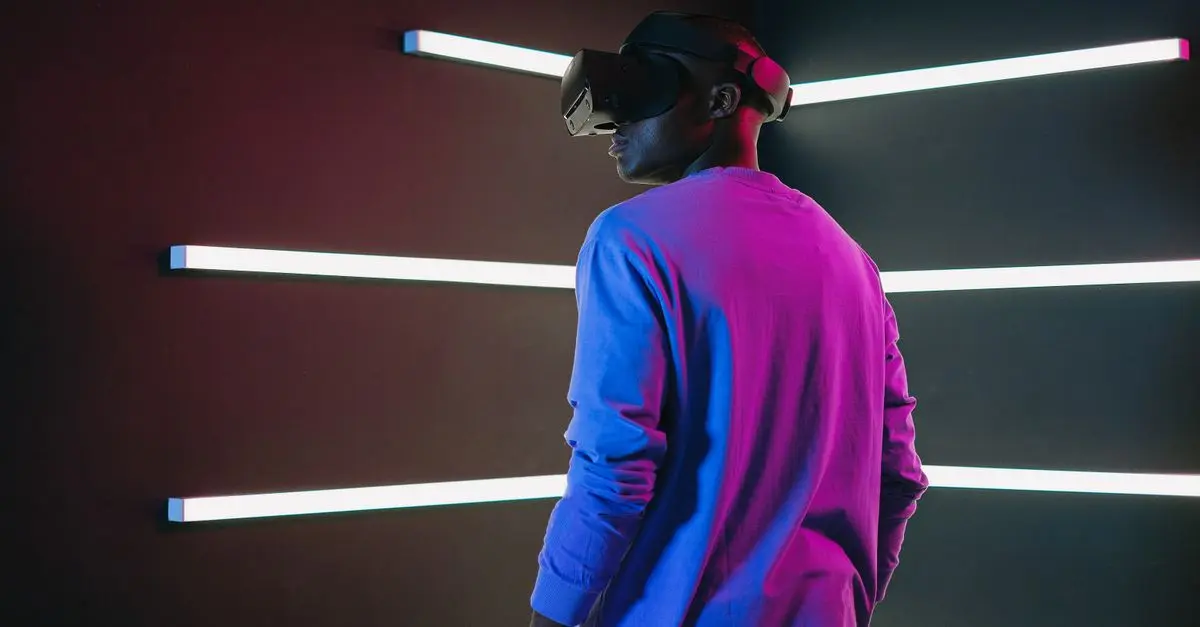
Augmented Reality (AR) is increasingly shaping the way consumers visualize products before purchase. By 2026, AR shopping applications will enable customers to see how furniture fits in their homes or how clothes look when worn without leaving their spaces. According to Statista, the AR market in retail is forecasted to reach $8.8 billion by 2027. Brands will leverage AR to reduce return rates, enhance consumer engagement, and ultimately boost sales by allowing customers to make informed purchasing decisions.
Trend 5: Advanced Customer Analytics
The rise of Big Data has provided retailers with immense opportunities to glean insights into consumer behavior. By 2026, advanced analytics will allow retailers to segment their audiences more effectively and strategize accordingly. Tools will not just focus on demographic information but will analyze behavioral patterns and preferences in-depth. As Forrester noted, companies that harness customer analytics effectively can expect a 15-20% increase in revenue. Utilizing data-driven decisions will empower retailers to optimize their marketing efforts, inventory, and product offerings.
Trend 6: Sustainable Shopping Solutions
Consumer awareness surrounding sustainability continues to grow. As a result, smart shopping technologies will increasingly focus on eco-friendly options. Deloitte reports that 60% of consumers prefer to purchase from sustainable brands. By 2026, retailers will utilize technology to provide detailed information about product origins, materials, and sustainability efforts. Smart labels or QR codes could offer transparency regarding the supply chain, allowing consumers to make more informed choices aligned with their values.
Smart Shopping Spot CD Slot Car Mount, Universal Car Mount For Tablet, Phone Holder For Smartphone CD Slot Car Mount, Universal Car Mount For Tablet,
inspireuplift.com
Smart Shopping Spot Adjustable Tablet Car Mount Holder, Cup Holder Base For Tablets In Car With Heavy Duty Design Adjustable Tablet Car Mount Holder,
inspireuplift.com
Smart Shopping Spot Car Dashboard Tablet Holder, Suction Mount For Tablets Car Dashboard Tablet Holder, Suction Mount For Tablets
inspireuplift.com
Comparative Table of Smart Shopping Technologies
| Feature | AI-Powered Personalization | Augmented Reality | Smart Shopping Carts | Omnichannel Experience |
|---|---|---|---|---|
| Consumer Engagement | High | Very High | Medium | Very High |
| Tech Required | Moderate | High | High | Moderate |
| ROI Potential | High | Medium | Medium | High |
| Implementation Timeline | Short-term | Medium-term | Long-term | Short-term |
📺 Resource Video
> 📺 For deeper insights: Exploring Smart Shopping Technologies, showcasing the latest innovations and their impacts on retail. Search on YouTube: smart shopping technologies 2026.
What are smart shopping technologies?
Smart shopping technologies encompass tools and systems that enhance the retail shopping experience through personalization, data analytics, AI, and more.
How can businesses benefit from using AI in shopping?
Businesses can use AI to understand customer behavior, provide personalized experiences, optimize inventory levels, and improve marketing strategies effectively.
Why is omnichannel important?
An omnichannel approach creates a seamless experience for consumers across various platforms, ensuring improved engagement and higher customer satisfaction.
What role does sustainability play in smart shopping?
Sustainability is becoming a critical aspect as consumers demand transparency about product origins and environmental impact, prompting retailers to adapt accordingly.
Glossary
| Term | Definition |
|---|---|
| Smart Carts | Carts equipped with technology that helps provide navigation, pricing, and product information to enhance shopping experiences. |
| Augmented Reality (AR) | Technology that overlays digital information in real-time over the physical world via devices like smartphones or AR glasses. |
| Omnichannel Retailing | A strategy that offers customers a seamless shopping experience across all available platforms, including physical stores and online.
Checklist before adopting Smart Shopping Technologies
- [ ] Assess current customer engagement strategies.
- [ ] Evaluate omnichannel capabilities.
- [ ] Verify technology partnerships for AR implementation.
- [ ] Analyze customer data for personalization opportunities.
- [ ] Research sustainable practices in your product supply chain.
In conclusion, the landscape of smart shopping technologies is rapidly evolving. Businesses that stay ahead in adopting these trends by 2026 will not only elevate their customer experiences but also enhance operational efficiencies and drive revenue growth. Explore our curated product selections to enhance your smart shopping experience!
📺 Pour aller plus loin : smart shopping technologies 2026 sur YouTube
Recommended products
Selected by our experts
Smart Shopping Spot Women Sheer Lace Top Slim Fit Long Sleeve Round Neck Undershirt For Spring Casual Streetwear khaki l
inspireuplift.com
Smart Shopping Spot Anime Car Decoration Accessories, Big Long Hair Hot Stamping Dot Dice Plush Toy Cube Pendant, Auto Pendant pink
inspireuplift.com


Bellroy Market Tote Plus Large Foldable Shoulder Shopping Bag Copper - Copper
bellroy.com

Bellroy Market Tote Plus Large Foldable Shoulder Shopping Bag Hot Sauce - Hot_sauce
bellroy.com