Table of Contents (8 sections)
When it comes to shopping, consumers today are faced with numerous options, two of the most notable being smart shops and traditional stores. Understanding the nuances of each shopping model can significantly enhance your retail experience. In this detailed analysis, we will explore the strengths and weaknesses of both models, giving you the insight needed to make an informed decision.
Information: What Is a Smart Shop and a Traditional Store?
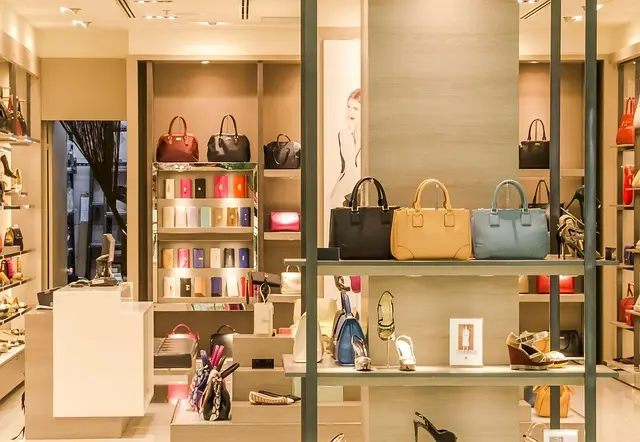
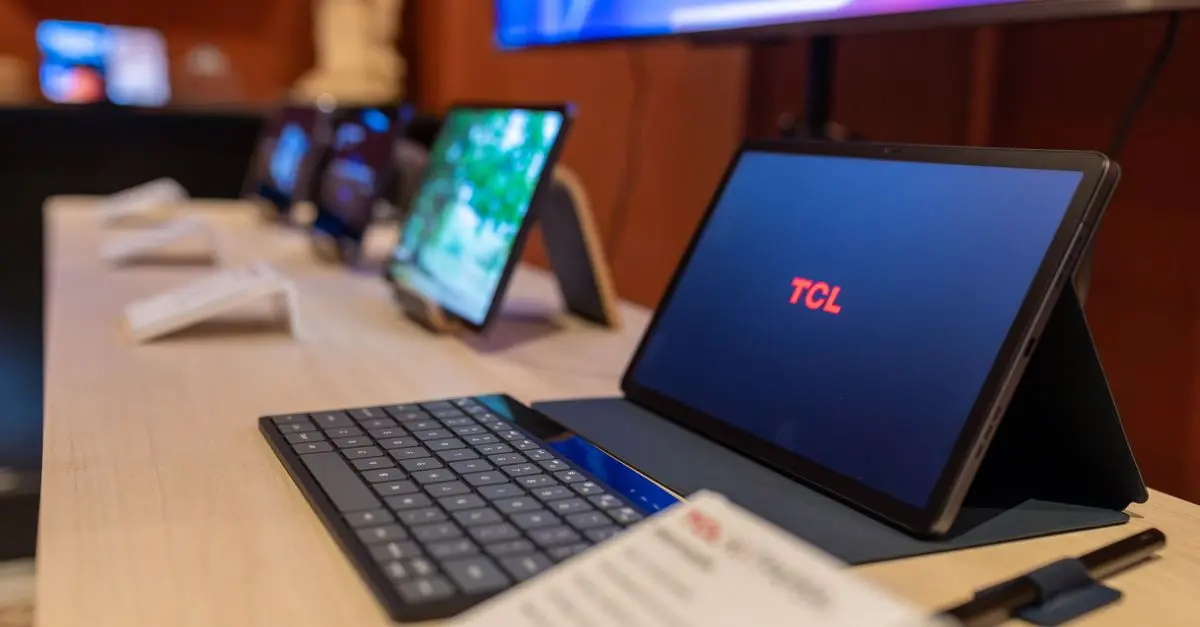
A smart shop utilizes advanced technology to enhance the shopping experience, integrating digital solutions for convenience and efficiency. These stores typically employ features such as mobile checkout, interactive displays, and personalized shopping experiences through data analytics. In contrast, a traditional store focuses on face-to-face interaction and the physical presence of goods, emphasizing a tactile shopping experience. Here, customers can touch, feel, and try products before making a purchase.
The emergence of smart shops reflects evolving consumer expectations—an increasing demand for convenience, speed, and personalization in retail. According to data from Statista, online shopping's market share has grown to over 20% as of 2026, demonstrating the trend towards digital solutions in retail. Traditional stores, however, emphasize personal interaction, local culture, and community relationships. Therefore, they cater to customers looking for immersive experiences and a sense of belonging.
Procedural: How to Decide Between a Smart Shop and a Traditional Store
- Assess Your Needs: Start by identifying what you value most in your shopping experience—convenience and speed, or a more personal touch?
- Explore Options: Compare both types of stores in your area. Visit smart shops to experience technology and assess traditional stores for their atmosphere and service.
- Evaluate Technology Benefits: For smart shops, consider how features like mobile apps, AI assistants, and contactless payments can ease your shopping experience.
- Consider Product Type: Some products, like clothing or intricate electronics, can benefit from being tested in-store at traditional retailers, while groceries and everyday items may excel in smart shops.
- Review Customer Service: Analyze reviews and customer feedback. Smart shops may offer automated service features, but traditional stores typically provide personalized assistance.
Comparative Analysis of Smart Shops and Traditional Stores
Let's summarize the differences between smart shops and traditional stores in a comparison table:
| Criterion | Smart Shop | Traditional Store | Verdict |
|---|---|---|---|
| Convenience | High; reduces shopping time | Moderate; time-consuming | Smart shops excel in convenience |
| Personal Interaction | Limited; reliant on technology | High; face-to-face service | Traditional stores offer better interaction |
| Product Range | Typically wider options online | Localized, limited selection | Smart shops usually have more options |
| Shopping Experience | Automated; less sensory | Engaging; tactile experience | Traditional experiences are immersive |
The retail landscape is rapidly evolving. The rise of smart shops is largely fueled by greater adoption of technology in everyday life. Today, 70% of consumers prefer stores that integrate technology into the shopping experience, according to recent research by Deloitte. On the other hand, traditional store revenues have remained steady, reflecting strong consumer loyalty.
Surveys indicate that 60% of customers visit smart shops to save time, while 80% of consumers still appreciate the personal service offered by traditional stores. As retailers adapt, many are merging these models—for example, traditional retailers are incorporating technologies like mobile apps and digital payment methods to enhance their services.
💡 Expert Opinion: The ideal retail experience merges both models by delivering the efficiency of smart shopping while maintaining the personal touch of traditional stores. Retailers that excel adapt to changing consumer behavior while preserving essential in-store interactions.
FAQ Section
Q: What are smart shops?
A: Smart shops utilize advanced technologies like AI and mobile apps to enhance the shopping experience and provide convenience.
Q: Are traditional stores still relevant?
A: Yes, they provide personal interaction and experiential shopping that many consumers still prefer.
Q: How can I decide where to shop?
A: Assess your needs for convenience or personal interaction and explore both shopping options before deciding.
Q: What is the future of retail?
A: The future likely comprises a blend of smart technology and traditional shopping experiences.
📺 For further exploration: Discover the future of retail with our comprehensive video series on smart shops and traditional stores. Search on YouTube:
shopping trends 2026.
Glossary
| Term | Definition |
|---|---|
| Smart Shop | A retail space utilizing technology to enhance shopping experiences through automation and data. |
| Traditional Store | A physical retail location focusing on in-person customer service and a tangible experience. |
| Retail Experience | The overall interaction a consumer has with a store throughout their shopping journey. |
Checklist Before Shopping
- [ ] Identify your shopping priorities (convenience vs. interaction)
- [ ] Visit both types of stores to compare experiences
- [ ] Evaluate the technology available in smart shops
- [ ] Review product types you'd like to purchase
- [ ] Check customer feedback on service quality
In conclusion, whether you prefer a smart shop or a traditional store largely depends on your individual needs and shopping preferences. For those prioritizing speed and efficiency, smart shops might be the better choice. However, if personal interaction and experience matter the most, traditional stores are likely your best bet. Understanding both can help you navigate the ever-evolving retail landscape effectively.