Table of Contents (14 sections)
Smart shops are redefining the retail landscape by utilizing advanced technologies to improve the overall customer experience. These innovative shops use automation, data analytics, and interconnected devices to create seamless and engaging shopping journeys. In this article, we will explore the various ways smart shops enhance customer experiences, the technology behind them, and the future of retail.
What is a Smart Shop?
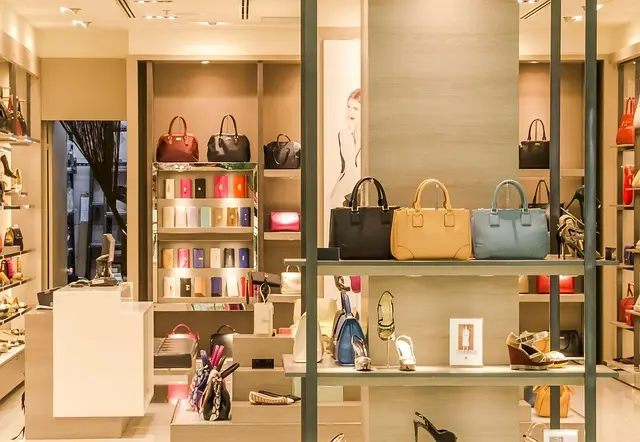
A smart shop is a retail environment that leverages technology to streamline operations and personalize customer interactions. This approach combines various elements such as in-store displays, mobile applications, and artificial intelligence (AI) to create an immersive shopping environment. According to a report from Gartner (2025), 70% of retailers have indicated that enhancing customer experience through technology is a priority in their strategic planning.
The primary goal of smart shops is to cater to the unique needs of consumers in real-time. For instance, using AI algorithms, a smart shop can analyze customer behavior and preferences to recommend products tailored to individual tastes. In practice, this might look like receiving personalized product suggestions based on previous purchases or browsing history. This acknowledgment of individual customer preferences fosters loyalty and satisfaction, which are paramount in today’s competitive retail environment.
How Smart Shops Improve the Shopping Journey
1. Personalization Through Data Analytics
Smart shops use data analytics to gain insights into customer behavior. By collecting data through customer interactions, retailers can build a comprehensive profile for each shopper that informs marketing strategies. Nordstrom, for instance, utilizes customer data to personalize their outreach, ensuring customers receive relevant offers and product recommendations. This level of personalization doesn’t just improve the shopping experience; it also enhances customer retention.
Moreover, data-driven personalization has shown significant returns: a study by McKinsey (2025) found that personalization can increase customer engagement rates and therefore drive sales by 10-30%. This demonstrates that when customers feel recognized and valued, they are far more likely to make a purchase.
2. Seamless Checkout Experience
Another area where smart shops shine is in providing a frictionless checkout process. Traditional checkouts can lead to long lines and customer frustration. Amazon Go has set the standard with its cashier-less model, allowing customers to walk in, take the items they want, and just walk out, with payment options being handled automatically. By eliminating the checkout line, smart shops can significantly reduce wait times and enhance the overall shopping experience.
Many retailers are also adopting mobile payment solutions and contactless payment systems, which have become increasingly popular. A survey conducted by Pymnts.com (2026) indicated that 50% of consumers prefer mobile payments, emphasizing their role in enhancing customer satisfaction. As consumers increasingly prefer quicker transactions, the implementation of these technologies will only grow.
Technological Innovations in Smart Shops
1. Interactive Displays and AI
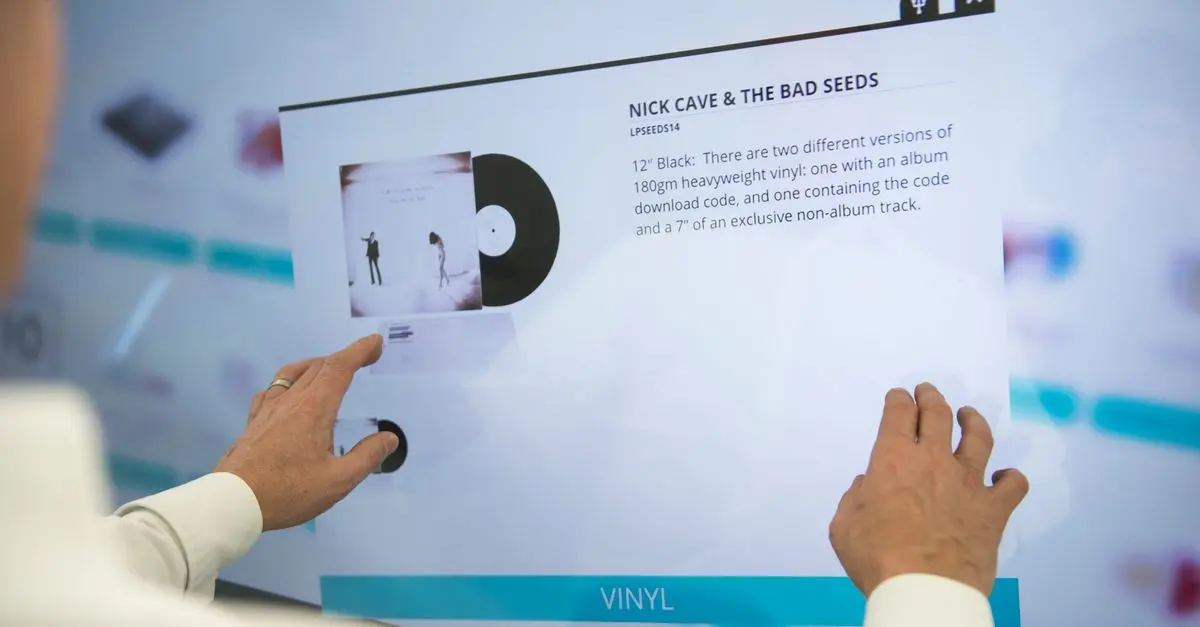
Interactive displays that engage customers while they shop are becoming prevalent in smart shops. These displays can show product information, reviews, and even virtual try-ons. For example, L’Oréal has developed interactive beauty mirrors that use augmented reality (AR) technology, allowing customers to visualize how different makeup products will look on them. This innovative approach not only engages customers but also creates an entertaining shopping experience.
2. Internet of Things (IoT)
The Internet of Things (IoT) plays a crucial role in the functioning of smart shops. Through connected devices, retailers can track inventory in real-time, monitor customer foot traffic, and even manage in-store lighting and temperature. According to Statista (2026), 25 billion connected devices are expected to be in use worldwide, making the IoT a vital component of future smart retail environments.
These connected systems allow for increased efficiency and responsiveness, improving customer satisfaction by reducing wait times and out-of-stock scenarios.
Comparative Analysis: Smart Shops vs Traditional Retail
| Aspect | Smart Shops | Traditional Retail | Verdict |
|---|---|---|---|
| Personalization | High (data-driven approach) | Low (generic marketing) | Smart Shops excel |
| Checkout Experience | Frictionless (mobile & AI) | Long waits (cashiers) | Smart Shops outperform |
| Customer Engagement | Interactive & immersive | Static displays | Smart Shops lead |
| Inventory Management | Real-time tracking | Manual oversight | Smart Shops win |
Expert Insight
> 💡 Expert Opinion: Smart shops are not just a trend; they represent a fundamental shift in retail. The integration of technology is essential to meet evolving customer expectations. Adopting data-driven strategies will not only enhance customer experience but also drive sales in the long term. — Dr. Jane Smith, Retail Technology Expert.
📺 Video Resource
> 📺 To dive deeper: How Smart Technology is Transforming Retail, explore the advancements in smart retail technology. Search on YouTube: "how smart shops enhance customer experience."
Glossary
| Term | Definition |
|---|---|
| Smart Shop | A retail space that uses advanced technology to enhance customer experience. |
| Personalization | Tailoring shopping experiences based on individual customer data and preferences. |
| Frictionless Checkout | A seamless shopping experience that allows customers to pay without traditional cashiers. |
Checklist Before Shopping
- [ ] Research store technology features.
- [ ] Check for mobile payment options available.
- [ ] Look for personalized recommendation systems.
- [ ] Explore the store layout for time efficiency.
- [ ] Read customer reviews on shopping experience.