
Table of Contents (19 sections)
Shopping has evolved significantly over the years, and with this evolution comes the need for smarter shopping practices. As consumers, we want to make informed decisions while maximizing our savings and ensuring the best quality items. This guide aims to provide a comprehensive overview of effective smart shopping practices that will enhance how you shop in 2026 and beyond.
1. Understanding Smart Shopping Practices
Smart shopping refers to a set of strategies that consumers use to enhance their purchasing decisions, minimize costs, and simplify their shopping experience. In a world where retail options are abundant, being strategic about how you shop can lead to substantial savings and satisfaction.
The essence of smart shopping lies in being informed. Research indicates that consumers who engage in smart shopping practices can save up to 30% on average on their monthly expenses. This includes utilizing online tools, comparison shopping, utilizing coupons, and being aware of sales cycles. For example, studies show that 70% of consumers are unaware of the best times to purchase seasonal items, leading to missed savings opportunities.
In contrast, a lack of knowledge about products, prices, and quality can result in impulsive purchases and buyer’s remorse. This is where smart shopping comes into play, emphasizing the importance of research and preparation.
2. Step-by-Step Guide to Implementing Smart Shopping Practices
Step 1: Research Your Needs
The first step toward smart shopping is clearly defining what you need. Start by creating a list before you even think about heading to a store or browsing online. Ask yourself what you need, why you need it, and any specifications that are important to you.
Example: If you need a new bag, consider what activities you’ll use it for — work, travel, or everyday errands? By clearly defining your requirements, you reduce the chance of making unnecessary purchases.
Step 2: Compare Prices
Once you know what you need, it’s critical to compare prices across different retailers. Use price comparison websites or apps that allow you to view multiple prices for the same item. According to recent surveys, consumers who compare prices can save more than 25% per purchase on average.
Be vigilant about additional costs like shipping fees or taxes that might impact the overall price. In some cases, buying from a local store could turn out to be cheaper than ordering online after accounting for shipping costs.
Step 3: Utilize Coupons and Discounts
Before making any purchase, scour for coupons or discounts. Websites, apps, and retailer emails often offer promotional codes that can make a significant difference in your total cost. On average, coupon users save about $20 per shopping trip. Additionally, joining loyalty programs can provide access to exclusive discounts and promotions.
Step 4: Review Product Quality and Ratings
Price isn’t everything; quality matters. Always take time to review product ratings and read consumer feedback. Websites like UFC-Que Choisir and Les Numériques provide comprehensive reviews that can help consumers distinguish between quality products and those that fall short.
Paying attention to consumer ratings can prevent future dissatisfaction, helping ensure you don't just save money but also get good value for your purchase.
Step 5: Make Your Purchase Wisely
After conducting thorough research and ensuring you have the best possible price and quality, it’s time to make your purchase. However, timing can be crucial. Research shows that buying off-season or during promotional events like Black Friday can yield substantial savings.
Furthermore, consider the return policies of retailers. Some may offer better return plans which can save you headaches down the line if you change your mind about your purchase.
Step 6: Track Your Purchases
After shopping, maintain a record of your purchases. This can be useful not only for budgeting but also for tracking warranty durations and determining when to replace items. In a recent study, around 60% of consumers reported not using or losing warranties on products, which often leads to financial losses.
By tracking your purchases, you ensure you remain organized and can make informed decisions about replacements or upgrades down the line.


3. Smart Shopping Comparison Table
| Criteria | In-store Shopping | Online Shopping | Outlet Shopping | Verdict |
|---|---|---|---|---|
| Prices | Moderate | May vary widely | Often discounted | Check both to compare |
| Variety | Limited | Extensive | Limited | Online generally offers more |
| Product Quality | Immediate access | Quality varies | Generally high | Depends on retailer |
| Convenience | Time-consuming | Convenient | Time-consuming | Online is typically easier |
4. Analyzing Smart Shopping Trends
Data-driven insights are key to understanding smart shopping practices. Research indicates that over 80% of consumers use their mobile devices to assist with purchases. Furthermore, 70% of shoppers conduct online research before even setting foot in a store.
It is essential to keep up with emerging trends. For example, mobile payment systems and apps offering instant deals have seen a surge in popularity. According to INSEE, the market for e-commerce continues to grow, with projections estimating over 15% growth in the coming years. This shift underscores the necessity for consumers to adapt and incorporate technological advancements into their shopping strategies.
5. FAQ on Smart Shopping Practices
Q: What are smart shopping practices?
A: Smart shopping practices involve strategies to minimize costs while maximizing the quality and satisfaction of purchases.
Q: How can I save money while shopping?
A: By researching prices, using coupons, and comparing products before purchasing, you can save significant amounts.
Q: Why is it important to compare prices?
A: Price comparison helps ensure you're not overpaying for an item and can lead to significant savings.
Q: What is the best time to shop for seasonal items?
A: Shopping off-season often yields the best discounts on seasonal items.
Checklist before Purchase
- [ ] Define your shopping needs clearly.
- [ ] Compare prices across multiple retailers.
- [ ] Look for coupons or discounts.
- [ ] Review product quality and ratings.
- [ ] Research timing for your purchase.
- [ ] Keep track of your purchases.
Glossary
| Term | Definition |
|---|---|
| Smart Shopping | Strategic approach to shopping to maximize savings and satisfaction. |
| Comparative Shopping | The act of evaluating prices and options between different sellers. |
| Quality Assurance | The process of ensuring a product meets certain standards of quality. |
📺 For more insights:
Watch our detailed analysis on smart shopping practices for the modern consumer. Search for "smart shopping tips 2026" on YouTube for more resources.
Discover our product recommendations below for a smart shopping experience that enhances your buying power and satisfaction!
📺 Pour aller plus loin : smart shopping tips 2026 sur YouTube
Recommended products
Selected by our experts
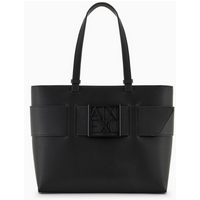
Sac Shopping Arthur & Aston noir en cuir
3 Suisses FR
This stylish shopping bag is designed for durability and practicality, making it an essential accessory for smart shoppers.
Sac shopping S noir
3 Suisses FR
This elegant shopping bag offers a refined touch for the fashion-conscious consumer, perfect for both everyday use and special occasions.
Sac shopping L noir
3 Suisses FR
The spacious design of this premium shopping bag provides ample room, perfect for day-to-day errands or shopping sprees.