Table of Contents (15 sections)
Introduction
As we delve into 2026, the world of retail is undergoing a considerable transformation, especially with the integration of technology. Augmented reality (AR) is at the forefront of this change, fundamentally reshaping how consumers engage with products and brands in smart shops. This article explores the impactful trends surrounding augmented reality in smart shops, illustrating its potential to enhance shopping experiences and operational efficiencies.
Understanding Augmented Reality and Its Impact
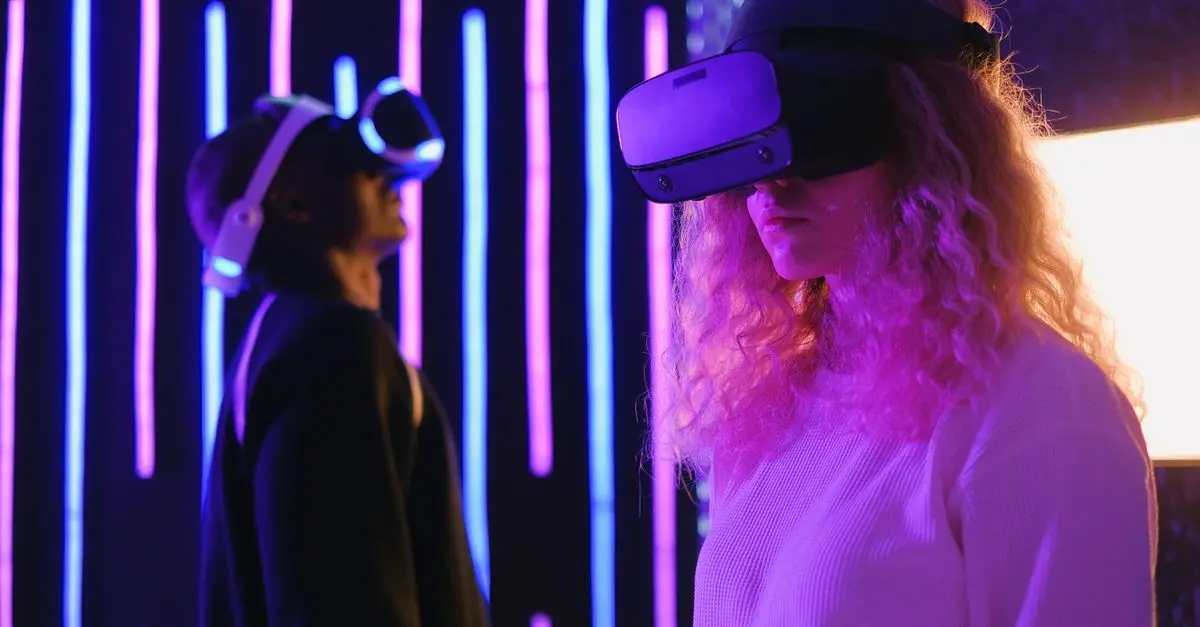
Augmented reality refers to a technology that superimposes digital information—such as images, text, or sounds—onto the real-world environment. As we transition into 2026, businesses are harnessing this technology to create immersive shopping experiences. For instance, AR allows customers to visualize how furniture would look in their homes before purchase or try on virtual clothing. This not only engages consumers but also reduces the likelihood of returns, a significant benefit for retailers. According to a report by Statista, AR in retail is projected to reach $35 billion by 2025, demonstrating the immense potential and importance of this technology.
The Importance of AR in Retail
The significance of AR lies in its ability to bridge the gap between the physical and digital worlds. It provides a platform for brands to tell their stories and showcase products in an interactive manner, thus captivating the consumer's attention. With today’s generation demanding more personalized and engaging shopping experiences, integrating AR into smart shops is not just an option but a necessity. This fusion of technology and retail shapes how consumers make purchasing decisions and deepens their brand loyalty.


Personalized Shopping Experiences
AR empowers retailers to curate highly personalized shopping experiences. For example, IKEA utilizes AR in its app to enable users to see how a piece of furniture would fit into their living space. This not only enhances customer satisfaction but also heightens the likelihood of conversions. A survey conducted by Adobe found that retailers investing in AR technology enjoy a 20% increase in customer engagement.
Features of Personalized AR Experiences
- Interactive Product Visualization: Allows customers to visualize products in their intended environment.
- Virtual Try-Ons: Customers can see how products like makeup or accessories would look on them before purchasing.
- Customizable Product Options: Shoppers can modify colors and styles using AR interfaces, leading to a tailored shopping experience.
These features create meaningful interactions, fostering a customer-centric approach that is essential in the competitive retail market. As shopping habits evolve, AR will play a crucial role in shaping future retail strategies.
Augmented Reality and Inventory Management
In addition to enhancing customer experiences, AR is revolutionizing inventory management in smart shops. Using AR-enabled devices, employees can quickly locate products within the store, improving efficiency. By overlaying inventory information on their view, AR technology reduces the time spent searching for items, thereby streamlining operations.
Benefits of AR in Inventory Management
- Increased Efficiency: Employees can navigate the store with real-time data overlaid, minimizing downtime.
- Improved Accuracy: AR helps in maintaining accurate inventory levels, preventing stockouts and overstock situations.
- Enhanced Training: New staff can learn the store layout and product information more efficiently through AR-guided tours.
With AR's capacity to facilitate real-time product information, businesses can optimize stocking procedures and make data-driven decisions that enhance operational effectiveness.
Social Interactions Enhanced by Augmented Reality
Augmented reality is also enhancing social interactions within smart shops. By facilitating shared experiences, AR encourages consumers to engage not only with the products but also with friends and family. For instance, AR applications allow users to share their virtual try-on experiences on social media platforms, expanding brand reach organically.
Engaging Social Features
- Shared AR Experiences: Encourage customers to invite friends to view their AR product trials, fostering community.
- Social Media Integration: Brands can create AR filters for platforms like Instagram, enhancing reach and interaction.
- Customer Reviews and Feedback: Store visitors can share their AR experiences online, influencing peers' buying decisions.
These enhanced social interactions transform shopping into an experience that goes beyond transactional relationships, fostering brand communities and enhancing loyalty.
Data-Driven Insights from Customer Interactions
The integration of AR in smart shops provides retailers with valuable data insights into customer preferences and behaviors. By analyzing AR interactions, businesses can obtain information on how consumers engage with products, leading to better inventory decisions and tailored marketing strategies.
Utilizing Customer Data
- Real-Time Analytics: Retailers can track customer interactions in real time, giving insights into popular products.
- Customer Feedback Collection: Utilizing AR applications allows for the collection of immediate feedback regarding products and experiences.
- Behavioral Insights: Understanding usage patterns of AR features can inform future product development and customization options for better customer retention.
Data-driven decisions grounded in AR generated insights enable retailers to fine-tune their strategies, aligning products with what consumers truly desire.

Checklist Before Implementing AR in Your Smart Shop
- [ ] Assess current technology infrastructure
- [ ] Identify the specific needs for AR integration
- [ ] Train staff on AR tools and their applications
- [ ] Develop engaging AR content tailored to your audience
- [ ] Monitor and analyze customer engagement with AR features
Glossary
| Terme | Définition |
|---|---|
| Augmented Reality | Technology overlaying digital elements on the real world. |
| Smart Shop | Retail environment enhanced with technology for improved customer experiences. |
| Customer Engagement | Interaction and emotional connection between customers and a brand. |
Quiz
> 🧠 Quiz rapide : How can AR enhance customer shopping experiences?
> - A) By reducing product options.
> - B) By providing immersive digital interactions.
> - C) By limiting product information.
> Réponse : B — AR creates immersive environments that engage customers further.
📺 Pour aller plus loin : An in-depth analysis of augmented reality in retail., search on YouTube: augmented reality in smart shops 2026.
📺 Pour aller plus loin : augmented reality in smart shops 2026 sur YouTube
Recommended products
Selected by our experts