Table of Contents (10 sections)
As we progress further into 2026, the world of retail is undergoing a radical transformation driven by smart shop innovations. These advancements not only enhance shopping efficiency but also create more engaging and personalized experiences for consumers. This article delves into key trends and emerging technologies that are set to redefine the smart shopping landscape.
Major Trends in Smart Shop Innovations
1. Increased Integration of AI and Machine Learning
Artificial Intelligence (AI) continues to be a game-changer in the retail sector. In 2026, it's estimated that over 75% of retailers will deploy AI-driven systems to enhance customer experience. AI technologies can analyze shopping patterns, enabling stores to predict inventory needs and personalize marketing strategies. For instance, several large chains have adopted chatbots that assist customers in real-time, providing tailored product recommendations based on previous purchases.
Additionally, machine learning algorithms can help in optimizing stock levels and reducing waste, leading to smarter sourcing strategies. For example, by analyzing data from customer transactions, retailers can better forecast demand for seasonal items. According to a report by Gartner, 60% of retailers utilizing AI saw a significant reduction in operational costs and an increase in sales.
2. Contactless and Automated Shopping Experiences
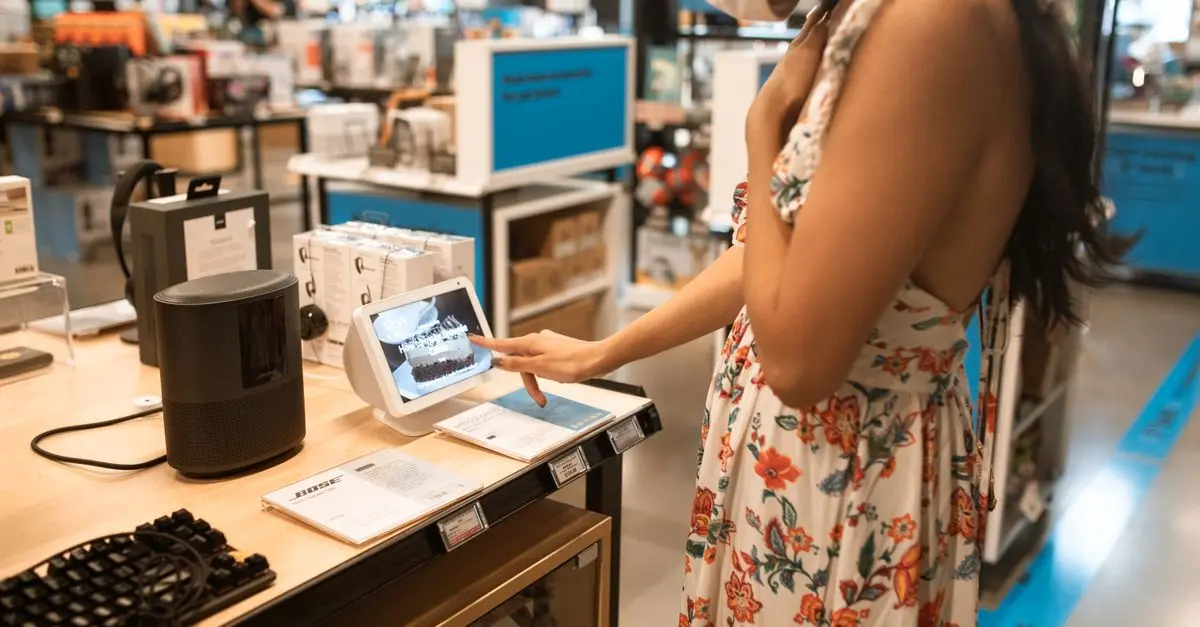
The shift toward contactless shopping solutions accelerated significantly due to the pandemic, but its benefits remain strong in 2026. Automated checkout systems are becoming commonplace, allowing customers to shop without waiting in long lines. This innovation has seen particular success in grocery stores, where self-checkout kiosks equipped with advanced scanning technology streamline the process. Global software provider NCR Corporation reported that stores using automated systems experienced an increase in customer satisfaction scores by more than 30%.
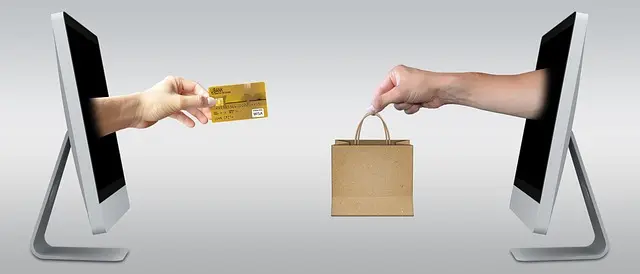
Moreover, mobile payment options such as QR codes and NFC technology further enhance the convenience of shopping. This contactless approach not only speeds up transactions but also aligns with consumer preferences for hygienic shopping environments. For instance, 75% of consumers express a desire for digital payment methods over traditional cash handling, according to McKinsey.
3. Enhanced Augmented Reality (AR) Shopping
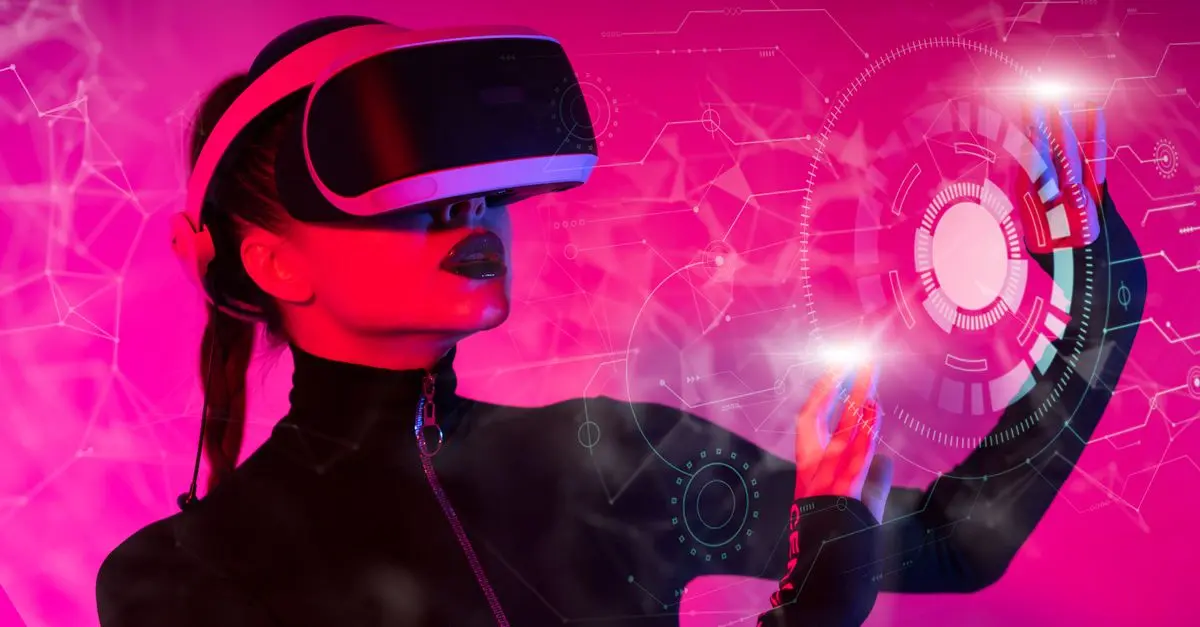
The use of Augmented Reality (AR) is transforming how consumers interact with products in-store and online. In 2026, retailers are expected to leverage AR technologies to create immersive shopping experiences. IKEA, for instance, has already made significant strides by allowing customers to visualize furniture in their homes using their smartphones, effectively bridging the gap between online and in-store shopping.
Research indicates that 70% of consumers are willing to use AR when shopping for home furnishings, suggesting a growing comfort with such technologies. This trend not only enhances customer engagement but can significantly reduce return rates, as customers are better informed about their purchases before they buy. Leading experts predict that sales driven through AR platforms could increase by 80% by 2027, signaling a profound shift in retail strategy.
4. Sustainability and Eco-Friendly Innovations
Sustainability remains a critical consideration for consumers in 2026, with increasing demand for eco-conscious shopping options. Retailers are responding by integrating sustainable practices into their operations, from eco-friendly packaging to energy-efficient stores. According to a survey by Deloitte, 63% of consumers would choose brands that are committed to sustainability over competitors.
Furthermore, the use of blockchain technology is gaining traction as a method to enhance transparency in supply chains, allowing consumers to trace the origins of their products. This accountability fosters trust and supports more ethical practices. In 2026, it is projected that brands focusing on sustainability could see sales grow by up to 25%, reinforcing the idea that eco-friendliness isn't just a trend, but a lasting consumer shift.
5. Enhanced Customer Data Utilization
In 2026, the incorporation of consumer data analytics is set to reach new heights, allowing retailers to tailor the shopping experience to individual preferences. By utilizing insights from big data, stores can refine their marketing campaigns and personalize customer interactions. This trend is driven by the understanding that personalization can significantly enhance customer loyalty; studies reveal that 80% of consumers are more likely to make a purchase when brands offer personalized experiences.
Retailers are also leveraging loyalty programs to collect data on purchasing habits, which can inform future marketing strategies. With the ability to create highly targeted promotions, businesses can optimize their operations to better meet the needs of their customers, ultimately driving sales and satisfaction. By 2026, it’s expected that personalization in retail will generate $800 billion in sales, underscoring its importance in driving market success.
📺 Resource Video
> 📺 For further exploration: Discover how smart technologies are changing retail, a comprehensive look at smart shopping innovations. Search on YouTube: "smart shop innovations 2026."

Combo Retail Shop Ceiling Fan Lighting, Modern Ceiling Mount, Dimmable Light, Smart LED, Remote Control, Adjustable Color Temperature, white 30w 42cm
inspireuplift.com

Glossary
| Terme | Définition |
|---|---|
| Smart Shopping | Shopping processes enhanced by technology for convenience. |
| Augmented Reality | Technology blending digital information with the real world. |
| Artificial Intelligence | Simulation of human intelligence by computer systems. |
Checklist avant achat
- [ ] Explore AI capabilities in retail.
- [ ] Research contactless payment options.
- [ ] Investigate AR applications in your shopping.
- [ ] Evaluate sustainability initiatives of brands.
- [ ] Analyze customer data privacy and usage practices.
🧠 Quiz rapide: What technology will likely enhance the shopping experience in the future?
- A) Virtual Reality
- B) Augmented Reality
- C) Both A and B
Réponse : C — Both technologies are essential in shaping the future shopping landscape.
In conclusion, embracing smart shop innovations is not just about keeping up with technology; it’s about aligning business strategies with changing consumer expectations. By focusing on these key advancements, retailers can enhance customer engagement, improve operational efficiency, and ultimately lead the market in 2026.
Take your shopping experience to the next level by exploring our selection of innovative products tailored for the smart shopper.
📺 Pour aller plus loin : future of smart shopping innovations 2026 sur YouTube
Recommended products
Selected by our experts

Twill Waiter Pants, Off White - Service Works Official Shop Off White Medium Unisex
bespokepost.com
The Voyager Bundle, Inkwell Black - Line of Trade Official Shop Inkwell Black One size Unisex
bespokepost.com