Table of Contents (10 sections)
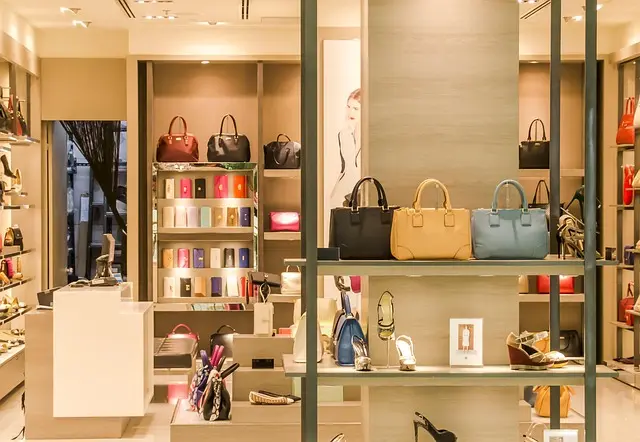
In recent years, the emergence of smart shops has revolutionized the retail landscape. These innovative spaces combine advanced technology with personalized services to cater to individual consumer preferences. As we move further into 2026, personalization in smart shops continues to be a growing trend, fundamentally altering customer experiences.
Information: What is Personalization in Smart Shops?
Personalization in smart shops refers to the tailored shopping experiences created through data analysis and customer insights. By leveraging artificial intelligence and machine learning, smart shops can analyze customer behavior, preferences, and purchase history to offer personalized product recommendations, customized promotions, and tailored shopping environments. This level of personalization enhances customer satisfaction and loyalty.
The significance of personalization in smart shops cannot be overstated. According to a report from Salesforce, 66% of consumers expect businesses to understand their unique needs. This has propelled many retailers to adopt personalized strategies as they seek to differentiate themselves in a competitive market. With smart shops at the forefront of this trend, a seamless, coherent shopping experience becomes increasingly attainable.
Procedural: How to Implement Personalization in Smart Shops
The implementation of personalization in smart shops involves several essential steps:
- Data Collection: Begin by gathering data on customer preferences, shopping habits, and feedback. Collecting this data can be achieved through online surveys, in-store interactions, and mobile applications.
- Data Analysis: Use analytical tools to evaluate and draw insights from the collected data. Understand trends and patterns that help shape a personalized experience.
- Tailored Offerings: Based on analysis, customize product selections, services, and promotions. For example, suggest products frequently bought together or offer discounts based on a customer's buying history.
- Continuous Feedback Loop: Encourage feedback from customers to refine personalization efforts continually. Engage them through surveys and in-store interactions to assess how well your personalization strategies meet their needs.
- Technology Integration: Utilize advanced technologies such as AI-driven recommendation engines or augmented reality to enhance the personalization experience further.
This procedure allows smart shops to create an atmosphere where consumers feel valued, leading to higher engagement and sales.
Drop Dash Deals Screen Clip Phone Mount, Universal Smartphone Holder Screen Clip Phone Mount, Universal Smartphone Holder
inspireuplift.com

WHALL - 2 Slice Toaster, Toasters 2 slice, Smart Bread Toaster, Touchscreen Toaster wide slots - Stainless Steel
bestbuy.com

Comparative: Personalization vs. Traditional Retail Experiences
Here’s a comparative analysis highlighting the differences between personalization and traditional retail experiences:
| Criteria | Personalization in Smart Shops | Traditional Retail Experience | Verdict |
|---|---|---|---|
| Customer Engagement | High - Custom recommendations | Average - Generic offers | Personalization wins |
| Data Utilization | Extensive - Analyzes behavior | Minimal - Lacks insights | Personalization wins |
| Customer Satisfaction | Increased due to tailored experiences | Standard - Less impact | Personalization wins |
| Sales Conversion Rates | Higher with targeted promotions | Lower - Broad approach | Personalization wins |
Analytical: Current Trends and Statistics in Personalization
As of 2026, several key trends are reshaping personalization in smart shops:
- AI-Driven Personalization: AI continues to play a pivotal role in enhancing personalization efforts. A study from Gartner found that companies implementing AI-driven personalization strategies saw an average 10-15% increase in sales. AI facilitates the analysis of extensive data, enabling smarter predictions of consumer behavior and preferences.
- Omnichannel Experiences: Consumers expect consistency across all channels. According to PwC, 73% of consumers prefer buying from brands they recognize across multiple platforms. Smart shops are integrating online and offline experiences, making it vital to tailor personalized experiences across every channel.
- Interactive Technologies: Technologies such as AR and VR are becoming more prominent, allowing customers to visualize products in their space. For example, furniture smart shops can use AR to show a sofa in a customer's living room, improving purchase decisions.
- Sustainability-Focused Personalization: An increasing number of consumers prefer brands that align with their values. A recent survey by Deloitte indicated that 60% of consumers are willing to pay more for sustainable products. Providing personalized recommendations based on sustainable practices can enhance loyalty among environmentally-conscious shoppers.
The integration of these trends highlights the evolution of personalization in the smart shop sector, significantly enhancing consumer experiences.
- What is the benefit of personalization in smart shops?
Personalization leads to higher customer satisfaction, increased loyalty, and potentially higher sales conversion rates, as customers appreciate tailored experiences.
- How do smart shops collect customer data?
Smart shops typically gather data through online surveys, in-store interactions, and mobile applications, analyzing consumer behavior and preferences.
- What technologies are used for personalization?
Common technologies include AI-driven recommendation engines, mobile apps, and augmented reality tools that enhance the shopping experience.
- Are personalization efforts cost-effective?
While implementing personalization can require an initial investment, data shows that personalized experiences often lead to increased sales and customer loyalty, making them cost-effective in the long run.
Glossary
| Term | Definition |
|---|
| Smart Shop | A retail space utilizing technology to enhance customer experiences and streamline operations.
| Personalization| The process of tailoring products and services to individual consumer preferences based on data analysis.
| Omnichannel | A retail strategy that provides a seamless shopping experience across all customer touchpoints, both online and offline.
Checklist before implementing personalization
- [ ] Identify data collection points
- [ ] Choose analytical tools
- [ ] Develop tailored product recommendations
- [ ] Create feedback loops for improved strategies
- [ ] Integrate technology into the shopping experience

Smart Smartphone Case - For Samsung Galaxy XCover6 Pro Smartphone - Black
bestbuy.com

MOVO - PR-1 Smartphone Grip Handle Rig - Compatible with Most Smartphones
bestbuy.com

Movo PR-1 Smartphone Grip Handle Rig - Compatible with Most Smartphones black
shop.simon.com
📺 Resource Video
> 📺 For further insights: Explore the impact of AI on retail personalization with a deep dive into trends and technologies. Search on YouTube: 2026 retail personalization trends.
Conclusion
The rise of personalization in smart shops is not just a fleeting trend but a fundamental shift in how businesses approach customer experiences. By leveraging technology and data insights, retailers can create unique shopping experiences that not only capture attention but also foster long-term relationships with consumers.
Explore the selection of devices and tools that can help you enhance your smart shop experience. We’ve curated a list of recommended products below to help you get started in creating personalized shopping journeys.
📺 Pour aller plus loin : 2026 retail personalization trends sur YouTube
Recommended products
Selected by our experts