Table of Contents (16 sections)
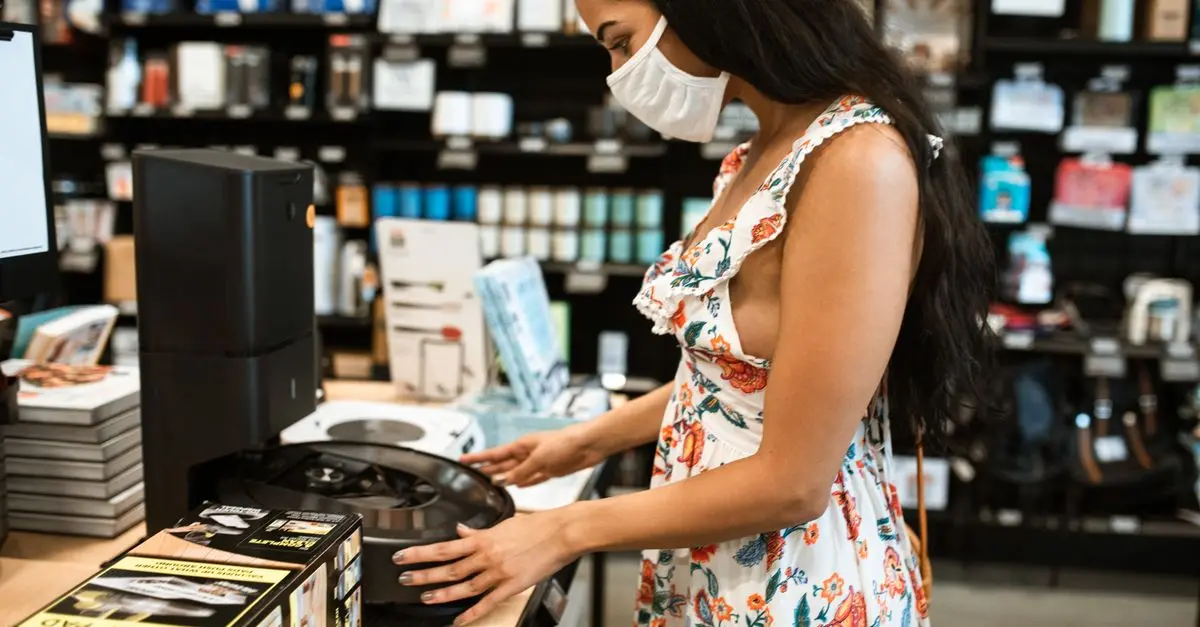
Artificial Intelligence (AI) refers to the simulation of human intelligence processes by machines, particularly computer systems. In the context of retail, smart shops utilize AI to improve operational efficiency, optimize inventory management, and enhance the customer experience. A smart shop is essentially a retail outlet that leverages technology and data analytics to streamline operations and gain insights into customer preferences and behaviors. The integration of AI into the retail experience is not just a trend; it is a fundamental shift in how businesses interact with their customers.
Why AI Matters in Retail
The advent of AI in the retail sector marks a significant leap toward creating smarter business environments. According to a study by McKinsey, 80% of retail executives believe that AI will transform their business operations. The primary rationale for adopting AI includes reducing operational costs, enhancing customer service, and making data-driven decisions. For instance, AI-driven analytics tools can process vast amounts of transactional data to identify purchasing trends, predicting what products will be in demand next season.
Moreover, AI tools allow for personalization in marketing strategies. This means customers can receive tailored recommendations based on their past purchases or browsing behavior, ultimately driving sales and increasing customer satisfaction. Essentially, AI enables businesses to engage customers as individuals, fostering loyalty and boosting revenues.
How AI Optimizes Operational Efficiency
The introduction of AI technology is reshaping how smart shops manage their operations. AI applications such as predictive analytics and machine learning are being employed to streamline supply chain management and inventory control.
Step-by-Step Implementation of AI in Smart Shops
- Assessment of Needs: The first step involves evaluating the current operational process to pinpoint areas that need improvement.
- Data Collection: Collect relevant data on customer preferences, sales trends, and inventory turnover rates.
- Integration: Deploy AI tools that align with business objectives. This could involve chatbots for customer service or AI-driven inventory management systems.
- Monitoring: Continuously assess the performance of AI systems through analytics and customer feedback.
- Adjustments: Adapt the AI applications based on the collected insights to refine the systems for better performance.
Implementing AI is not merely a tech upgrade; it requires a cultural shift within the organization, where data-driven decision-making becomes the standard.
Comparative Analysis: Traditional Retail vs. Smart Shops Using AI
During this transformation, it can be insightful to compare the traditional retail model with that of smart shops incorporating AI.
| Criteria | Traditional Retail | Smart Shops (AI) |
|---|---|---|
| Customer Service | Staff-dependent | AI chatbots and assistance |
| Inventory Management | Manual monitoring | Automated systems |
| Marketing Strategy | Broad advertising | Personalized campaigns |
| Data Utilization | Limited analysis | Advanced analytics |
Verdict: Retailers utilizing AI-driven strategies outperform traditional retailers in operational efficiency and customer satisfaction.

Neurogenius Student Memory and Intelligence 30 Pastilles
DocMorris FR (ex DoctiPharma FR)

Talika Skintelligence Hydra Hydrating Micellar Hydrating Water 200ml
DocMorris FR (ex DoctiPharma FR)

Talika Skintelligence Hydra Gentle Facial Scrub 50ml
DocMorris FR (ex DoctiPharma FR)
Data-Driven Results of AI in Retail
The impact of AI in smart shops can be measured through various key indicators. According to a report from Gartner, businesses that incorporate AI can achieve up to a 30% reduction in operational costs. Furthermore, businesses using AI for data analytics report sales increases of 20% due to enhanced customer experiences and targeted marketing approaches.
The growing usage of AI-driven tools allows retailers to respond effectively to dynamic market trends and customer demands. For example, AI algorithms analyze data to determine the best time for promotional activities, helping to maximize their return on investment.
Expert Opinion
> 💡 Expert Insight: "The incorporation of artificial intelligence in retail is revolutionizing the industry. Businesses that leverage AI not only enhance customer engagement but also optimize their operational processes, making them more resilient to market fluctuations." - James Smith, Retail Technology Analyst.
FAQ: Common Questions About AI in Smart Shops
Q1: What are the benefits of AI in retail?
A1: AI enhances operational efficiency, supports personalized marketing, and improves customer experience by providing tailored product recommendations.
Q2: How can a smart shop improve inventory management through AI?
A2: AI utilizes predictive analytics to forecast demand and automate restocking, minimizing stockouts and overstock situations.
Q3: Will AI replace human workers in retail?
A3: While AI automates some tasks, it complements human staff by handling routine activities, allowing personnel to focus on customer interactions and enhancing service quality.
Q4: What is the future of AI in retail?
A4: AI is expected to become increasingly integrated into retail operations, with advancements in technology leading to smarter systems, improved customer engagement, and operational efficiencies.
Glossary
| Term | Definition |
|---|---|
| Artificial Intelligence | Simulation of human intelligence by machines for decision-making tasks. |
| Smart Shops | Retail outlets that leverage technology to enhance operations and customer experience. |
| Predictive Analytics | Use of statistical algorithms to identify future outcomes based on historical data. |
Checklist for Implementing AI in Smart Shops
- [ ] Assess current needs and priorities
- [ ] Collect relevant customer data
- [ ] Choose suitable AI tools for integration
- [ ] Monitor system performance regularly
- [ ] Gather customer feedback for adjustments
- [ ] Train staff on new AI systems
- [ ] Evaluate ROI post-implementation
📺 Resource Video
> 📺 For further insights: Explore the future of artificial intelligence applications in retail. Search on YouTube: AI in smart shops transformation 2026.
Recommended Products
- Product 1: This item can enhance memory and intelligence for retail staff.
- Product 2: A hydrating micellar water essential for maintaining fresh skin during long shifts.
- Product 3: This gentle facial scrub is great for maintaining a professional appearance in retail settings.
Engaging with AI technology within smart shops is an ongoing journey. As the landscape of retail continues to evolve, businesses must embrace these changes to stay competitive and meet customer expectations. To learn more about the latest trends in retail technology, keep exploring our blog for more insights.
📺 Pour aller plus loin : AI in smart shops transformation 2026 sur YouTube
Recommended products
Selected by our experts
Neurogenius Student Memory and Intelligence 30 Pastilles
DocMorris FR (ex DoctiPharma FR)
This item can enhance memory and intelligence for retail staff.
Talika Skintelligence Hydra Hydrating Micellar Hydrating Water 200ml
DocMorris FR (ex DoctiPharma FR)
A hydrating micellar water essential for maintaining fresh skin during long shifts.
Talika Skintelligence Hydra Gentle Facial Scrub 50ml
DocMorris FR (ex DoctiPharma FR)
This gentle facial scrub is great for maintaining a professional appearance in retail settings.