Table of Contents (10 sections)
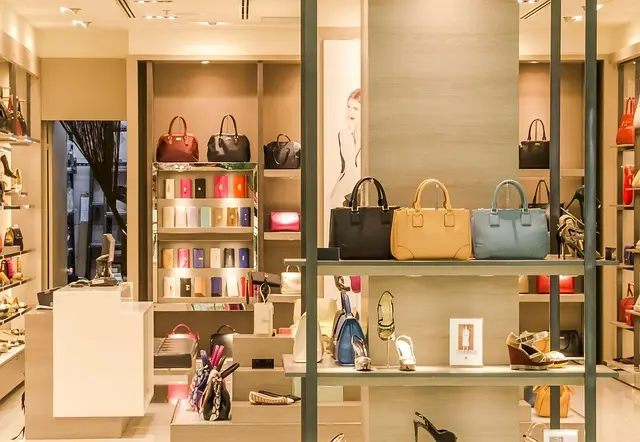
In the fast-evolving landscape of retail, smart shopping trends are redefining how consumers interact with brands and make purchasing decisions. As we delve into 2026, significant shifts in technology, consumer behavior, and environmental consciousness are driving new trends. This article will explore the top five trends shaping the future of smart shopping, offering insights into their significance, potential innovations, and examples that highlight their impact.
Smart Shopping Trend #1: AI-Powered Personalization
One of the most significant smart shopping trends of 2026 is the rise of AI-powered personalization in retail. Retailers are leveraging artificial intelligence to analyze consumer data, preferences, and behaviors, enabling them to deliver highly personalized shopping experiences. For instance, brands like Amazon use advanced algorithms to recommend products based on customers' browsing history and purchase patterns.
This trend is essential because tailored experiences lead to higher customer satisfaction and loyalty. According to a report by McKinsey, personalized offers can increase conversion rates by up to 10% and boost customer retention significantly. Retailers not only benefit from increased sales but also foster a deeper connection with their customers, making them feel valued and understood.
Looking forward, we predict that AI will evolve to enhance hyper-personalization, where brands will tailor experiences to individual shoppers in real-time as they browse. Imagine a shopping assistant that suggests not only products but also deals and bundles based on the user's current context.
Smart Shopping Trend #2: Sustainability and Ethical Shopping
As consumers become increasingly aware of environmental issues, sustainability is a crucial factor influencing their purchasing decisions. This trend is reflected in the rise of eco-conscious brands and the implementation of sustainable practices within retail. For example, companies like Patagonia and Everlane focus on transparent supply chains, ethical sourcing, and minimizing environmental impact.
Sustainability not only attracts environmentally conscious consumers but also aligns with corporate social responsibility (CSR). According to Nielsen, 66% of global consumers are willing to pay more for sustainable brands. Retailers are responding by adapting their business models and values to resonate with this growing demand.
We can anticipate that in 2026, the focus will shift toward circular economies, where retailers implement strategies to reduce waste and promote product recycling and reuse. Brands engaging in sustainable practices will likely gain a competitive advantage as consumers increasingly prioritize eco-friendly options.
Smart Shopping Trend #3: Contactless and Seamless Payment Solutions
The quest for convenience has ushered in a wave of contactless and seamless payment solutions in retail. In 2026, customers expect quick, convenient, and secure ways to pay for their purchases without the hassle of cash or traditional credit cards. Mobile wallets, cryptocurrency, and biometric payment methods are on the rise. For instance, Apple Pay and Google Wallet enable users to pay with their smartphones, offering enhanced security and convenience.
This trend is particularly critical in light of the growth of online shopping and the ongoing effects of the COVID-19 pandemic, which have heightened the demand for safe shopping experiences. Research from Statista shows that contactless payments will account for about 28% of in-store transactions globally by 2026.
As technology continues to evolve, we expect to see innovations like AI-driven fraud protection and even more user-friendly interfaces in payment systems, further solidifying contactless payments as a staple in retail.
Smart Shopping Trend #4: Augmented Reality (AR) in Retail
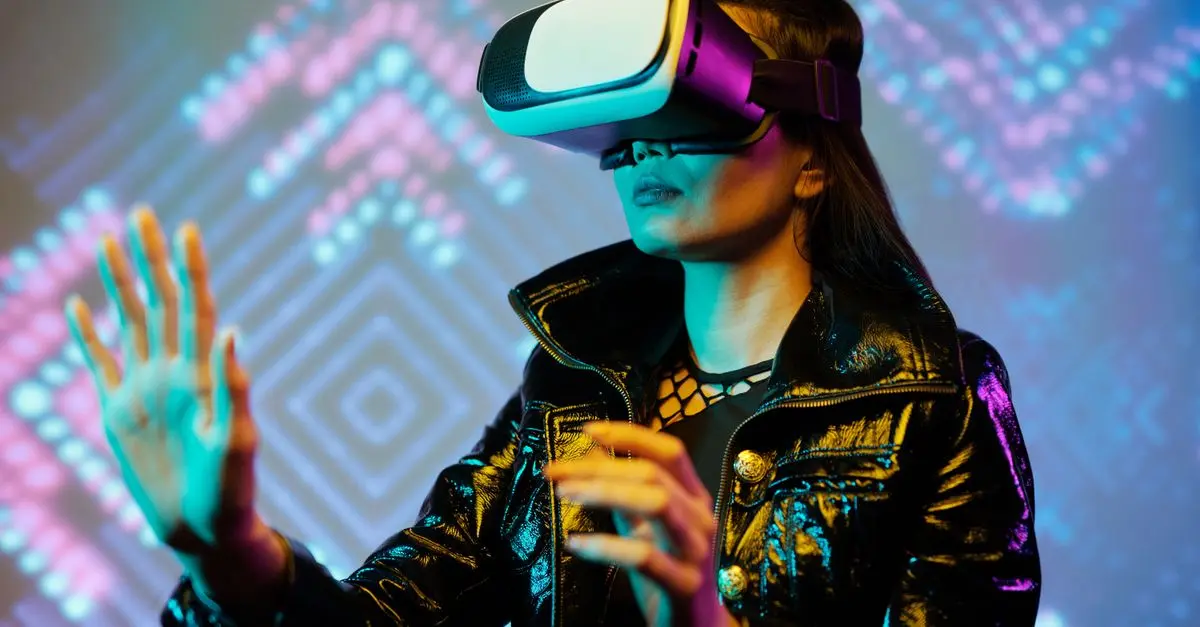
Augmented reality has emerged as a powerful tool in the retail world, allowing consumers to visualize products in real-time and make more informed purchasing decisions. Retailers like IKEA and Sephora have successfully implemented AR features, enabling customers to place furniture in their homes virtually or try on makeup shades before committing to a purchase.
The significance of AR lies in its ability to bridge the gap between online and in-store shopping experiences. A study from Deloitte revealed that 40% of consumers indicate they would pay more for a product if they could experience it using AR. This immersive shopping experience enhances customer engagement and reduces returns, which can be costly for retailers.
Looking forward, we can expect AR to become even more integrated into the shopping process, with retailers adopting more sophisticated tools that combine AR with other technologies like AI for better user experience.
Smart Shopping Trend #5: Omnichannel Shopping Experiences
The retail landscape of 2026 embraces omnichannel shopping experiences, where brands provide a seamless experience across various platforms, including physical stores, websites, and mobile apps. Consumers now expect to move fluidly between online and offline experiences, often using multiple touchpoints before making a purchase. Walmart and Target have successfully integrated their online and offline services, allowing customers to check inventory online and pick up items in-store.
The importance of omnichannel experiences cannot be overstated, as they enhance customer satisfaction and drive sales. Research from Salesforce shows that customers who engage via multiple channels exhibit a 30% higher lifetime value compared to single-channel shoppers. In response, retailers are investing in technology to integrate these platforms and ensure consistent messaging and customer service.
In the future, expect the continued advancement of technologies such as AI and data analytics to refine omnichannel strategies further, making the shopping experience increasingly tailored and efficient.
📺 Resource Video
For those interested in a deeper dive into smart shopping trends, check out this video: "Top Smart Shopping Trends for 2026." Search for: "smart shopping trends 2026".
Checklist before shopping
- [ ] Research the latest smart shopping technologies.
- [ ] Compare sustainability practices of brands.
- [ ] Explore AR features offered by retailers.
- [ ] Evaluate payment options for convenience and security.
- [ ] Review customer experiences across multiple channels.
Glossary
| Term | Definition |
|---|---|
| AI-Powered Personalization | The use of artificial intelligence to tailor shopping experiences to individual consumer preferences. |
| Omnichannel Experience | A seamless customer experience across multiple shopping channels, integrating online and offline interactions. |
| Augmented Reality (AR) | Technology that superimposes computer-generated images in the real world, enhancing the shopping experience. |
🧠 Quick Quiz
> What primary trend influences customer buying habits in 2026?
> - A) Traditional Advertising
> - B) AI-Powered Personalization
> - C) Physical Stores
> Answer: B — Personalization enhances customer engagement and satisfaction.