Table of Contents (14 sections)
The retail landscape has undergone significant changes with the introduction of smart shopping technologies. But what exactly is smart shopping? At its core, it refers to the use of advanced technologies to enhance the shopping experience, making it more efficient and enjoyable for consumers. Factors influencing the rise of smart shopping include the increased reliance on data analytics, the acceleration of e-commerce, and the importance of personalized shopping experiences.
Emerging technologies for smart shopping not only improve convenience but also drive engagement and satisfy the evolving demands of modern consumers. In 2026, we witness a myriad of innovative solutions reshaping the retail sector, from augmented reality (AR) to artificial intelligence (AI) powered service bots.
1. Artificial Intelligence and Machine Learning
AI and machine learning continue to be cornerstone technologies in the smart shopping realm. Retailers leverage these technologies to analyze consumer behavior and tailor experiences accordingly. For instance, AI can predict which products a customer is likely to purchase based on their browsing and buying history. This predictive analysis leads to personalized recommendations, enhancing customer satisfaction and increasing sales.
According to a 2025 report by Forrester Research, 63% of retailers employing AI-driven personalization saw a rise in customer retention by 10-15%. Brands such as Amazon and Zalando utilize sophisticated algorithms to recommend products effectively, showcasing the technology's potential. Going forward, the integration of AI in shopping experiences will likely extend into virtual environments, making online shopping even more interactive and engaging.
2. Augmented Reality and Virtual Reality (AR/VR)
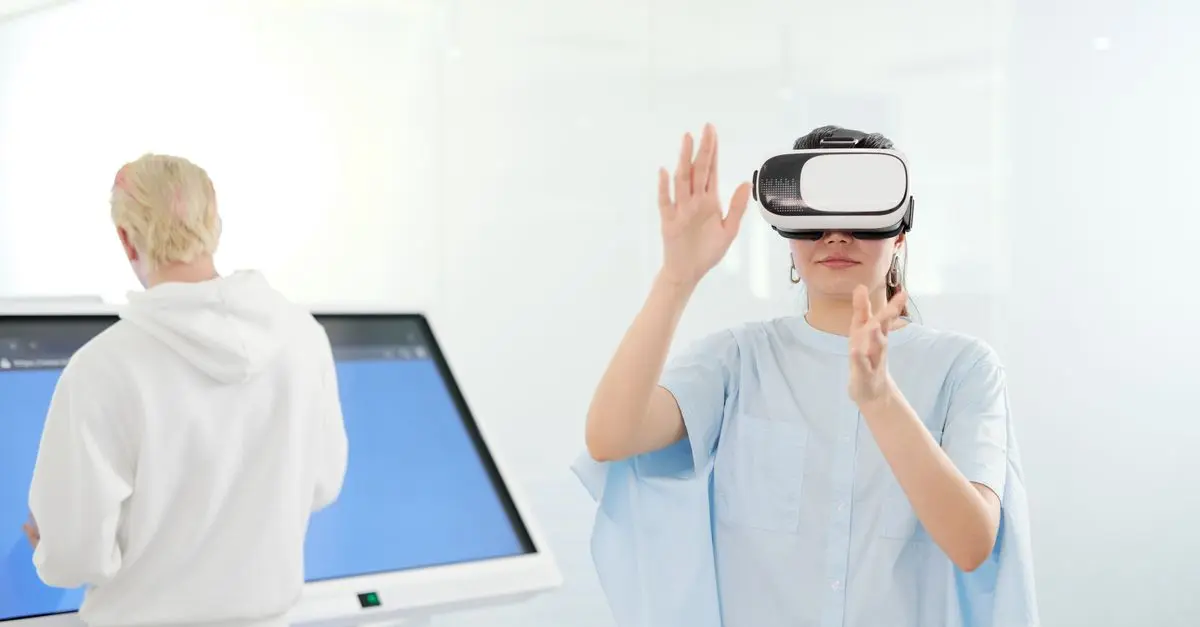
Augmented reality and virtual reality are reshaping the way consumers interact with products before making purchases. By utilizing AR apps, consumers can visualize how furniture would look in their homes or try on clothing virtually. This immersive experience decreases the likelihood of returns, which can be a significant cost for retailers.
A 2026 survey from Gartner revealed that 75% of consumers preferred retailers that offer AR experiences. Brands like IKEA have harnessed AR to allow customers to visualize products in their space, enhancing the decision-making process. As technology advances, we can expect more innovative applications that take advantage of these immersive experiences to further improve the customer journey.

Diploma in Information Systems: Emerging Technologies and Globalization
Alison US CA
3. Smart Carts and Checkout Solutions
Smart carts equipped with sensors and scanning capabilities have gained popularity in physical stores, offering a seamless shopping experience. These carts can identify products and provide real-time feedback on the total cost as consumers shop, reducing the time spent at checkout. Integrated payment systems allow customers to skip traditional checkout lines altogether.
According to McKinsey, implementing such smart shopping solutions can lead to a 20% increase in customer throughput. This trend not only enhances customer satisfaction, but it also improves operational efficiency for retailers. As smart cart technology evolves, we may see expanded functionality, such as navigation assistance within stores or personalized deals.
4. Internet of Things (IoT) Integration
The Internet of Things (IoT) plays a pivotal role in smart shopping by connecting various devices and allowing them to communicate in real time. For example, smart shelves can monitor inventory levels and automatically alert managers when restocking is needed. IoT-enabled analytics can track shopper behavior within stores, providing insights about foot traffic and optimum product placement.
An Accenture study reported that implementing IoT solutions could reduce operational costs by up to 30% while enhancing customer experience. Future advancements may also incorporate IoT into home appliances, where users can order groceries automatically based on consumption patterns, creating a truly automated shopping environment.
5. Contactless Payment Solutions
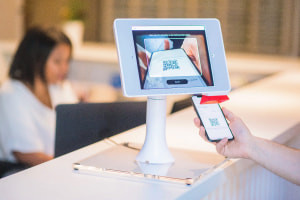
In today’s world, contactless payments have surged in popularity, driven by health concerns and the push for quicker transactions. Technologies such as mobile wallets, biometric verification, and NFC (Near Field Communication) enable a smoother checkout process.
According to Statista, the contactless payment market is expected to grow significantly, with usage rates projected to rise by over 50% by 2027. Companies like Apple Pay and Google Pay have set the trends, integrating robust security features that enhance consumer trust. The ongoing expansion of contactless technology highlights a shift towards convenience and safety in retail transactions.
6. Sustainability Tech
Sustainable shopping technologies are also on the rise, with consumers being more conscious about the environmental impact of their purchases. Innovations in eco-friendly sourcing, digital tracking of product origins, and carbon footprint calculators are becoming more prevalent. For instance, blockchain technology is used by companies such as Walmart to ensure ethically sourced products, enhancing transparency in supply chains.
A report from Deloitte indicates that 70% of millennials prefer to shop with brands that demonstrate sustainability. As more consumers demand environmentally responsible options, we can anticipate continued growth in sustainable technologies within the retail sector.
7. Data Privacy and Security Measures
As smart shopping evolves, so do concerns over data privacy. Advanced security measures are essential to protect consumer information from breaches. Companies are increasingly utilizing encryption technologies and secure payment gateways to build trust with users.
In a world where data breaches can dramatically impact customer loyalty, implementing robust security measures can lead to increased consumer confidence and retention. According to Cybersecurity Ventures, the cyber economy is expected to grow to $6 trillion by 2026, emphasizing the importance of this trend.
8. Social Media Shopping
Social media platforms are increasingly becoming shopping destinations. Brands are using platforms like Instagram and Facebook to showcase their products directly to users, integrating shopping features into their profiles. This seamless transition between browsing and buying caters to the impulse shopping behavior prevalent among younger generations.
A report by eMarketer indicated that social commerce sales are projected to reach $600 billion by 2027. The merging of social media and e-commerce illustrates a paradigm shift where social interaction and purchasing decisions are integrated, creating a new frontier for retailers.
📺 For further insight:
A deep dive into virtual shopping technology's future can be explored more through YouTube searches of "AR in retail 2026 trends".
Checklist before you shop smart:
- [ ] Verify the security of the retailer’s website.
- [ ] Check for data privacy policies.
- [ ] Explore if the app offers personalized recommendations.
- [ ] Ensure compatibility with payment methods (like mobile wallets).
- [ ] Evaluate product return policies.
Glossary
| Terme | Définition |
|---|---|
| AI (Artificial Intelligence) | Technology enabling machines to mimic human intelligence and perform tasks such as learning and problem-solving. |
| AR (Augmented Reality) | An interactive experience where real-world environments are enhanced by computer-generated perceptual information. |
| IoT (Internet of Things) | A network of physical objects connected to the internet, allowing them to collect and exchange data. |
Recommended products
Selected by our experts
Emerging Technologies in Information Systems
Alison US CA
This course offers insights into emerging technologies in information systems that are critical for understanding smart shopping trends.
The Dairy Industry: Emerging Technology
Alison US CA
This resource discusses technological advancements in the dairy industry, applicable to sustainability discussions within smart shopping.
Diploma in Information Systems: Emerging Technologies and Globalization
Alison US CA
This diploma program focuses on how globalization and emerging technologies intertwine, essential for retailers adapting to smart shopping.