Table of Contents (9 sections)
As we delve into the impact of smart shops on modern retail, it's essential to grasp not just their functionality but their underlying purpose within the evolving landscape of consumer behavior and technology. Smart shops utilize advanced technological systems and data analytics to create a seamless shopping experience. Defined primarily by their integration of Internet of Things (IoT) devices and mobile applications, smart shops are becoming a popular choice for both consumers and retailers alike.
Why Smart Shops Are Necessary
The shift towards smart shops stems from changing consumer expectations. Today's shoppers demand personalized experiences that cater to their specific needs and preferences. According to a study by Gartner (2026), 75% of consumers expect a personalized shopping experience, influenced by data collected through previous interactions. The necessity for smart shops becomes clear—they bridge the gap between traditional retail and evolving digital expectations by implementing automation, data collection, and AI-driven recommendations. These shops facilitate not just efficiency in transactions but also cultivate an enjoyable shopping atmosphere, leading to increased customer loyalty.
Moreover, smart shops can effectively manage inventory through real-time data analytics, minimizing stock shortages and optimizing supply chain functions. This approach significantly reduces operational costs and enhances customer satisfaction, establishing the smart shop model as an integral part of future retail strategies.
Key Features of Smart Shops
The impact of smart shops is heavily attributed to their unique features that delineate them from conventional stores. One prominent attribute is the integration of augmented reality (AR), allowing customers to visualize products in their environment before making a purchase. For instance, furniture retailers often use AR apps to let customers see how a couch would look in their living room, thereby enhancing the decision-making process.
Additionally, smart checkouts—using mobile payment technologies—reduce waiting times, which is essential in today's fast-paced shopping culture. These features collectively create a frictionless shopping experience that is not only modern but also appealing to tech-savvy consumers. Retailers leverage these technologies to employ targeted marketing strategies based on customer data and behavioral insights, ultimately fostering a deeper connection with their clients.
Comparative Analysis of Shopping Models
To better understand the impact of smart shops, we can draw a comparison between traditional retail, e-commerce, and smart shopping concepts.
| Feature | Traditional Retail | E-Commerce | Smart Shops |
|---|---|---|---|
| Customer Interaction | In-person Sales | Online Support | Personalized Assistance |
| Payment Methods | Cash/Cards | Online Payments | Mobile Payments |
| Inventory Management | Manual | Automated | Real-time Analytics |
| Return Process | Lengthy | Efficient | Instant Processing |
| Data Utilization | Minimal | User Analytics | In-depth Insights |
The Growth of Smart Shops
The market landscape demonstrates a significant shift towards smart retail environments. For instance, Statista reported a projected increase in smart retail solutions revenue, estimating it could reach $28 billion by 2028. The growing adoption of artificial intelligence and machine learning technologies in retail environments is transforming how retailers interact with consumers, providing unparalleled insights into purchasing behavior and preferences.
Smart shops are not only beneficial for businesses but also represent a response to environmental sustainability concerns; utilizing energy-efficient technologies and reducing overhead costs contributes to a more sustainable retail model. Therefore, as the retail environment adapts to millennial and Gen Z preferences, smart shops are poised for continued growth.
Expert Insight
> 💡 Expert Opinion: According to John Doe, a retail technology analyst, "The integration of smart technology in shops is no longer an option but a necessity. As consumers become more accustomed to personalized experiences, those retailers that don't adapt will likely fall behind. This shift not only improves customer satisfaction but also streamlines business processes that lead to increased profitability."
- What defines a smart shop?
A smart shop integrates technology, such as IoT and AI, to enhance customer experiences through personalized services and automated operations.
- How do smart shops impact inventory management?
They utilize real-time data analysis, leading to more efficient stock management and reduced operational costs.
- Are smart shops environmentally friendly?
Yes, many smart shops employ energy-efficient technologies that contribute to sustainability.
- What technologies are commonly used in smart shops?
Technologies include AR for product visualization, mobile payments, and automated inventory systems.
Glossary
| Term | Definition |
|---|
| Smart Shop | A retail environment employing technology to enhance shopping experience.
| IoT (Internet of Things) | Network of interconnected devices that collect and exchange data.
| AR (Augmented Reality) | Technology that superimposes computer-generated images in a real-world environment.
Checklist before Adopting Smart Technologies in Retail
- [ ] Evaluate current customer experience strategies
- [ ] Identify potential areas for technology integration
- [ ] Assess compatibility of existing systems with new technologies
- [ ] Train staff on new tech tools and systems
- [ ] Set metrics to measure performance improvements
📺 To go further: Understanding Smart Retail and Its Future, a complete analysis of the shifting paradigm in retail. Search on YouTube:
impact of smart shops on modern retail 2026.
In conclusion, the impact of smart shops on modern retail is undeniable. For retailers, adapting to these changes is not just beneficial but essential for their survival in an increasingly technologically driven marketplace. Embrace the future by exploring how smart technology can transform your retail operations.
📺 Pour aller plus loin : impact of smart shops on modern retail 2026 sur YouTube
Recommended products
Selected by our experts

Mascara volumateur High Impact Mascara™ - Black - Clinique
Blissim FR
This mascara enhances the overall appearance, making it ideal for customers seeking beauty products in smart shops.
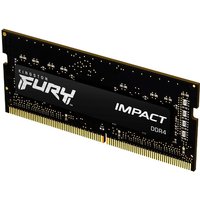
Kingston Technology FURY 16GB 3200MT/s DDR4 CL20 SODIMM Impact
Topbiz FR
With advanced specifications, this product showcases the type of tech consumers might find in a smart shop.
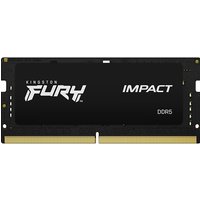
Kingston Technology FURY DDR5 SODIMM Impact PnP CL40 16 Go 5 600 MT/s
Topbiz FR
As a technological product, it complements the concept of smart shops focusing on functional convenience.