Table of Contents (16 sections)
The evolution of retail has seen remarkable advancements, especially with the integration of virtual reality (VR) in smart shops. As we navigate through 2026, retailers are harnessing this technology to create immersive experiences that enhance customer engagement and satisfaction. By bridging the gap between online and offline shopping, VR is revolutionizing how consumers interact with products and brands.
The Importance of Virtual Reality in Smart Shops
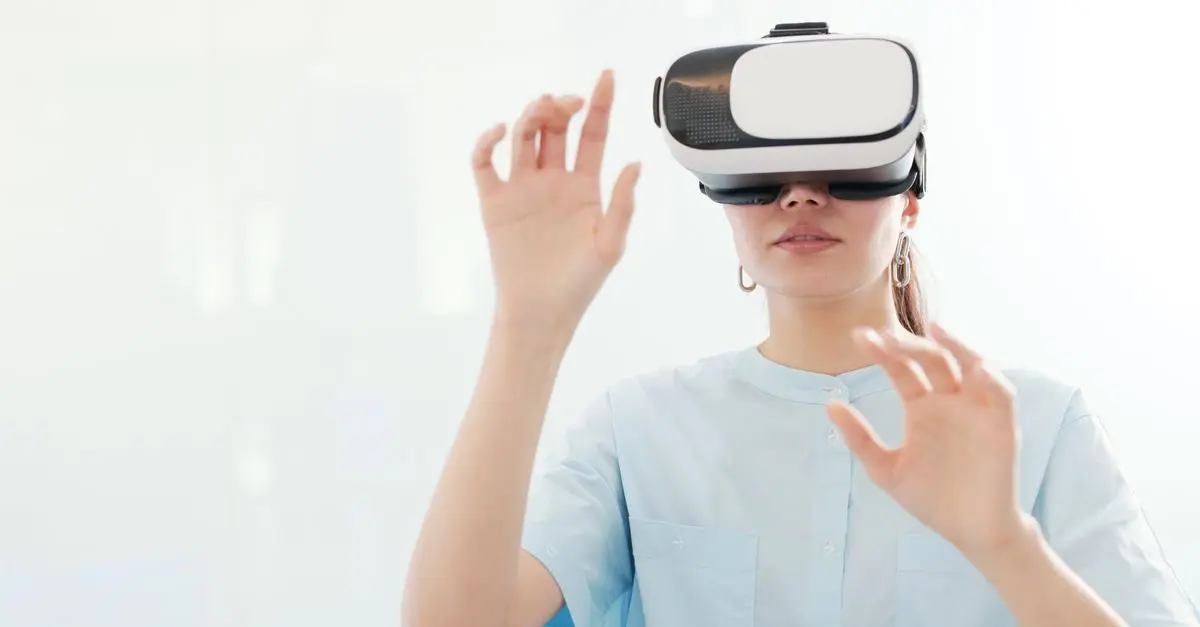
Virtual reality in smart shops serves as a crucial tool in engaging customers. It creates an environment where shoppers can experience products firsthand without the need to physically handle them. With a VR headset, customers can virtually explore different store layouts, try out products, and even receive personalized recommendations based on their preferences. According to a study by Gartner, retailers implementing VR have reported a 30% increase in customer engagement and a 25% boost in sales conversions.
This technology allows businesses to differentiate themselves in an increasingly competitive market, providing unique experiences that traditional shopping cannot match. It addresses common pain points such as inability to visualize products in real-life settings and enhances customer confidence in purchasing decisions. Additionally, VR helps in gathering valuable data on consumer behavior, further informing marketing strategies and inventory management.
Major Trends in 2026
1. Immersive Product Demonstrations
One of the leading trends in 2026 is the use of VR for immersive product demonstrations. Retailers are now offering virtual walkthroughs of their product lines, allowing customers to experience the products up close and personal. For instance, brands like IKEA have implemented VR solutions in their smart shops to enable customers to visualize furniture in their own homes. This not only saves time for shoppers but also reduces the likelihood of returns, as they are more satisfied with their purchase choices.
2. Enhanced Customization Options
Virtual reality is also paving the way for enhanced customization options in smart shops. Customers can engage in personalized experiences where they virtually modify products to match their preferences before making a purchase. For example, in cosmetics retail, customers can use VR to see how different makeup shades look on their skin tones, facilitating informed buying decisions. Reports indicate that 60% of consumers are more likely to purchase a product if they can customize it beforehand.
3. Virtual Try-On Experiences
The virtual try-on experience has been gaining traction, especially in the fashion and eyewear sectors. Brands are integrating AR and VR technologies to allow customers to try on clothes or accessories virtually. This trend not only enhances user experience but also encourages impulsive buying by enabling consumers to visualize themselves wearing items they might not have otherwise considered. A survey by McKinsey revealed that 70% of consumers favor using virtual fitting rooms for convenience and time-saving benefits.
4. Gamified Shopping Experiences
Incorporating elements of gamification into shopping is another significant trend shaping the future of smart shops. Retailers are using VR to create interactive gaming experiences that reward customers for engaging with brands. For example, shoppers can go on virtual treasure hunts in stores, unlocking discounts and rewards as they interact with products. According to a report from Forrester, gamified shopping experiences can lead to a 50% increase in customer interactions, making shopping feel more adventurous and enjoyable.
5. Integration with Other Technologies
An emerging trend is the integration of virtual reality with other technologies, such as artificial intelligence (AI) and the Internet of Things (IoT). This integration allows for seamless shopping experiences tailored to individual customer behaviors and preferences. VR can be used alongside AI chatbots to provide personalized assistance, guiding customers through their shopping journey based on real-time data. The synergy of these technologies enhances customer satisfaction, leading to increased loyalty and repeat business.
6. Virtual Reality as a Marketing Tool
In 2026, utilizing VR as a marketing tool has become more prevalent among retailers. Virtual reality experiences are being endorsed through various multimedia channels, creating buzz and attracting a customer base eager to try innovative shopping experiences. Brands are investing in VR advertisements that allow users to experience products before purchasing, providing a more engaging approach to traditional advertising.
7. Sustainability in Virtual Shopping
As consumers become more environmentally conscious, VR can facilitate sustainable shopping practices. Smart shops are using virtual technology to show customers the environmental impact of their purchases, encouraging them to make sustainable choices. Studies have shown that 72% of shoppers are more willing to buy from brands that demonstrate commitment to environmental responsibility, making VR a powerful tool in promoting such initiatives.
📺 Ressource Vidéo
> 📺 Pour aller plus loin : Exploration of Virtual Reality in Retail, a complete analysis of current applications in smart shops. Search on YouTube: "virtual reality in retail 2026".
Analytical Data and Benchmarks
| Trend | Importance Level | Shoppers' Preference (%) | Engagement Increase (%) |
|---|---|---|---|
| Immersive Demonstrations | High | 85 | 30 |
| Customization Options | Medium | 60 | 25 |
| Virtual Try-Ons | High | 70 | 50 |
| Gamified Experiences | Medium | 55 | 20 |
| Integration with AI/IoT | High | 80 | 35 |
| Marketing as a Tool | Medium | 75 | 15 |
| Sustainability Focus | High | 72 | 40 |
Checklist avant achat
- [ ] Explore the VR shopping experience
- [ ] Evaluate customization options available
- [ ] Participate in virtual try-ons
- [ ] Consider sustainability factors of products
- [ ] Engage with gamified shopping experiences
Glossaire
| Terme | Définition |
|---|---|
| Virtual Reality | Technology that simulates a realistic environment through computer-generated simulations. |
| Immersive Experience | A fully engaging experience that takes the user into a different reality through environmental cues. |
| Gamification | The use of game-like elements in non-game contexts to encourage engagement and interaction. |
Conclusion
The integration of virtual reality in smart shops is a game-changer for the retail industry, enhancing the overall customer experience while driving engagement and sales. As technology continues to evolve, it will be intriguing to see how retailers further innovate their use of VR to adapt to ever-changing consumer demands. Get ahead of the curve by exploring virtual reality shopping experiences today!