Table of Contents (14 sections)
In today’s competitive retail environment, smart shops are leveraging cutting-edge technology to improve customer engagement and operational efficiency. Implementing innovative features not only enhances the shopping experience but also helps in streamlining operations. Below, we delve into ten innovative features every smart shop should consider adopting to stay ahead of the curve.
1. Interactive Digital Displays
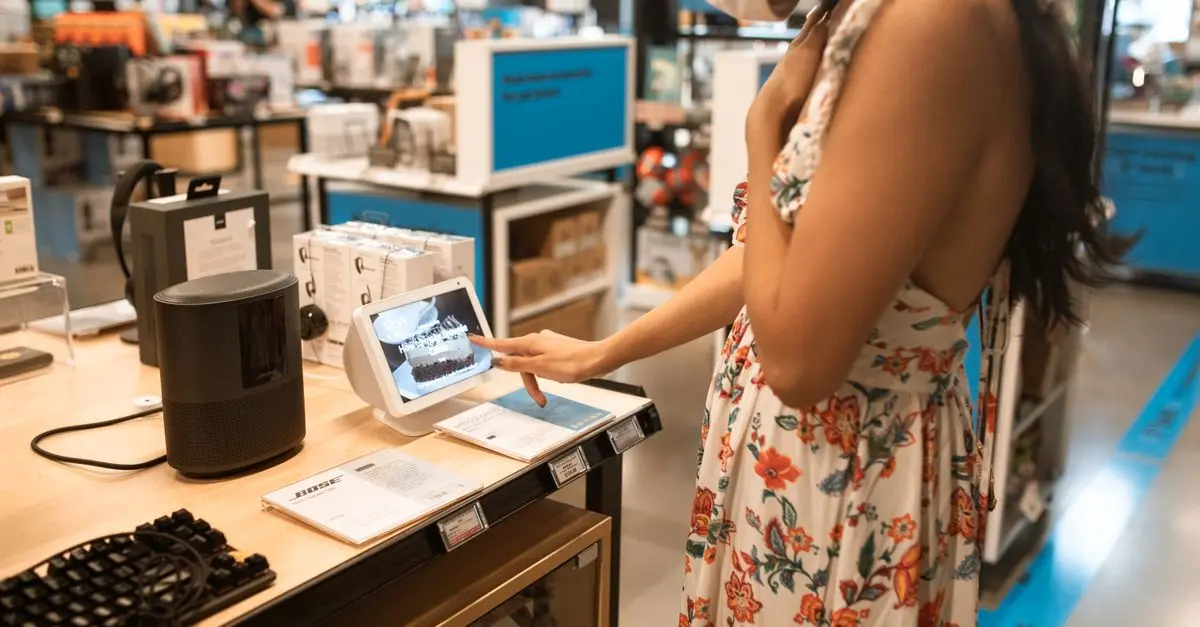
Interactive digital displays offer a dynamic way to engage customers in-store. These screens allow customers to explore product information, promotional offers, or even tutorials. According to a study by the Retail Council of Canada, stores using digital signage have experienced sales increases of up to 29%. Imagine a customer walking into your shop and being greeted by a vibrant display that offers personalized recommendations based on their previous purchases. This technology can enhance customer experience and increase sales conversions, making it a must-have feature for any smart shop.
2. Smart Inventory Management Systems
A smart inventory management system automates the process of tracking and managing stock levels in real-time, reducing waste and ensuring product availability. These systems utilize IoT devices to monitor inventory levels continuously, alerting managers when supplies are low. In fact, companies that have adopted these systems report a reduction in inventory costs by approximately 20%. Implementing such technology allows business owners to focus on customer service instead of stock management, ultimately enhancing the overall shop experience.
3. Augmented Reality Shopping Experiences
Augmented reality (AR) is changing the way customers interact with products. By creating AR experiences, customers can visualize products in their desired environment before making a purchase. For instance, an AR application can allow a customer to see how a piece of furniture might look in their living room through their smartphone. A survey by Nielsen shows that 51% of consumers prefer retailers who offer AR experiences. This innovative feature not only improves customer satisfaction but also reduces return rates, making it a worthwhile investment for retailers.
4. Personalized Customer Engagement
Leveraging customer data for personalized engagement is crucial in a smart shop. Utilizing AI algorithms, shops can analyze customer behavior and preferences to offer tailored recommendations. For example, if a customer frequently purchases beauty products, targeted promotions for related items can enhance their shopping experience. According to a report by McKinsey, businesses that excel in personalization can generate 40% more revenue than their counterparts not using personalized strategies. This level of engagement helps build customer loyalty and repeat business.
5. Mobile Payment Solutions
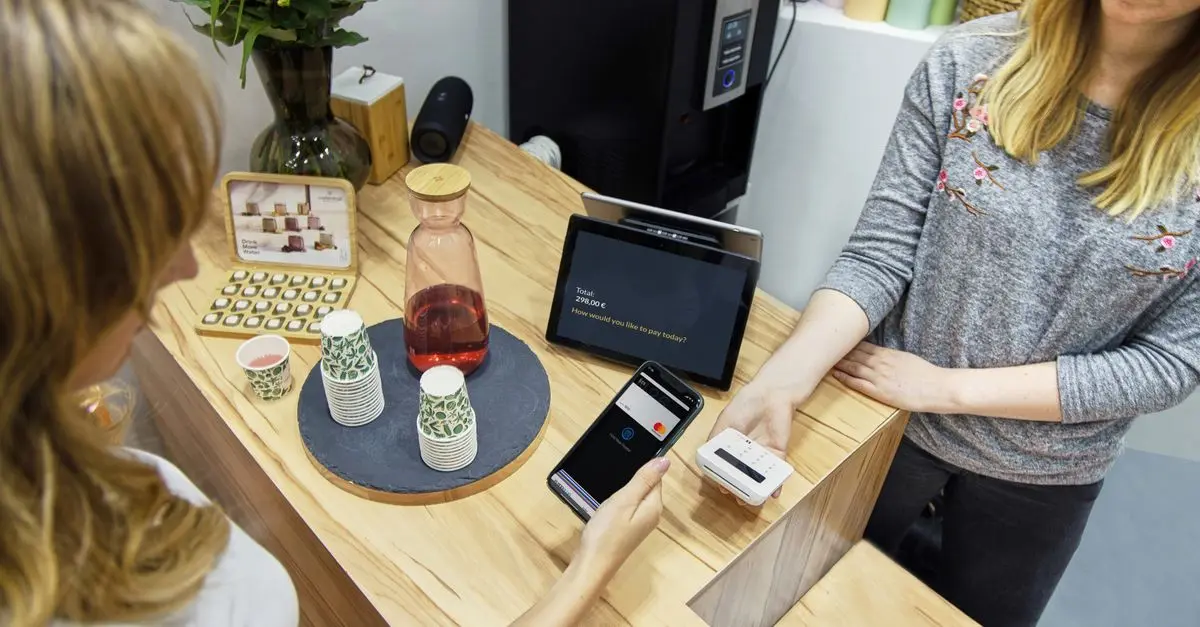
Consumers increasingly prefer mobile payment solutions for their convenience and speed. Implementing technologies that support digital wallets, such as Google Pay or Apple Pay, simplifies the payment process, making it easier for customers to complete their purchases. Statistics indicate that stores offering multiple payment options can see a 20% increase in sales. As a result, integrating a seamless mobile payment experience is essential for retaining customers in a modern retail environment.
6. Smart Mirrors for Apparel Stores
Smart mirrors are revolutionizing the try-on experience in apparel shops. These mirrors allow customers to see how clothes fit without needing to physically try them on, integrating technology with convenience. Features can include virtual try-ons, size recommendations, and even a way to request different sizes or colors through the mirror itself. A case study by IHL Group found that smart mirrors could reduce fitting room queues and increase sales conversion rates significantly. This innovative feature not only enhances customer satisfaction but also streamlines the purchasing process.
7. Social Media Integration
Integrating social media into the shopping experience can significantly enhance customer interaction. Smart shops can create situations where customers can share their purchases on their social networks seamlessly, including hashtags or digital coupons for followers. We Are Social reports that 75% of users are more likely to purchase based on social media recommendations. This integration connects brands directly with consumers, amplifying their marketing efforts and enhancing customer reach.
8. Advanced Analytics and Reporting
Utilizing advanced analytics for decision-making can transform how a smart shop operates. These systems gather data on customer preferences, shopping behaviors, and sales trends, allowing retailers to make informed decisions based on real-time data. Studies show that retailers using advanced analytics report a 10-15% increase in revenue per store. This feature empowers business owners to tailor their offerings based on actual customer demands, improving maturation and efficiency in sales strategies.
9. Enhanced Omnichannel Solutions
An effective omnichannel strategy ensures consistency across all shopping platforms, whether online or in-store. Customers can interact with your brand on multiple fronts - in-app, online, and at physical locations. A study by HubSpot found that companies with strong omnichannel strategies retain 89% of their customers compared to 33% for companies with weak strategies. By creating a seamless shopping experience, smart shops can significantly improve customer retention rates.
10. Energy Efficient Technology
Incorporating energy-efficient technology not only reduces operational costs but also amplifies your brand’s commitment to sustainability. Features like smart lighting and HVAC systems can adjust based on real-time occupancy and external conditions, saving energy costs. According to the U.S. Department of Energy, retail stores using energy-efficient solutions report a reduction in energy costs by 30%. This not only benefits the environment but also enhances the brand image in the eyes of eco-conscious consumers.
Checklist before Implementation
- [ ] Evaluate the current technology in your shop.
- [ ] Research customer preferences and buying behavior.
- [ ] Assess compatibility of innovative features with existing systems.
- [ ] Calculate ROI for each potential implementation.
- [ ] Involve staff and gather feedback on proposed changes.
Glossary
| Term | Definition |
|---|---|
| Smart Shop | A retail establishment utilizing advanced technologies for operations and engagement. |
| Omnichannel | A sales approach that provides customers with an integrated shopping experience across different channels. |
| Augmented Reality (AR) | An interactive experience where digital elements are overlaid in the real world through technology. |


📺 For further insights:
Watch a detailed explanation on how augmented reality is shaping retail experiences on YouTube: how augmented reality is transforming retail 2026.
🧠 Quick Quiz: What innovative feature do you think can boost sales the most?
- A) Smart Mirrors
- B) Mobile Payments
- C) Augmented Reality
Answer: C — Augmented Reality can enhance customer experience significantly, reducing return rates and increasing satisfaction.
📺 Pour aller plus loin : how augmented reality is transforming retail 2026 sur YouTube
Recommended products
Selected by our experts


Costway Portable Washing Machine, 20 lbs Compact Laundry Machine with 12 LBS Washer
bestbuy.com

Costway Portable Washing Machine, 20 lbs Compact Laundry Machine with 12 LBS Washer
bestbuy.com

Costway Portable Washing Machine, 20 lbs Compact Laundry Machine with 12 LBS Washer
bestbuy.com

Magic Chef - 1.7 Cubic Feet Top Load Compact Washing Machine with 6 Cycles - White
bestbuy.com

Costway Portable Washing Machine with 18 LBS Washer 8 LBS Spinner Combo Twin Tub Washer
bestbuy.com