Table of Contents (15 sections)
In the rapidly evolving landscape of retail, the benefits of smart shop technologies are becoming increasingly recognized as essential for success. These technologies not only streamline operations but also significantly enhance the shopping experience. From AI-driven customer insights to seamless inventory management, businesses that embrace smart shop technologies position themselves at the forefront of innovation. In this article, we will explore ten key benefits of implementing these technologies in modern retail.
1. Enhanced Customer Experience
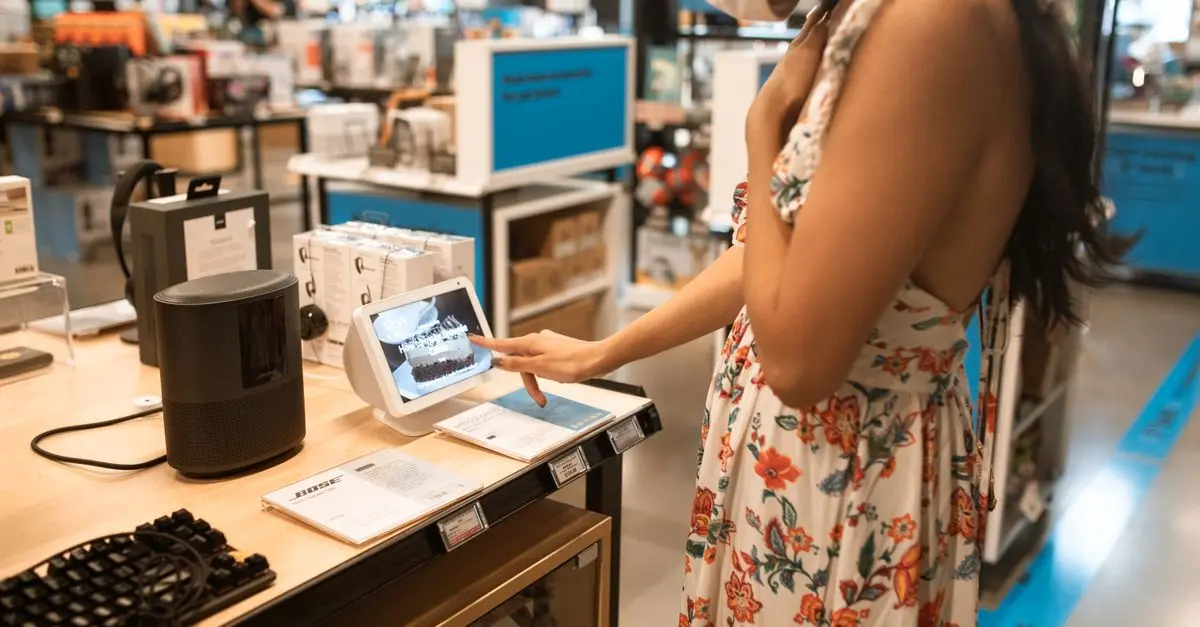
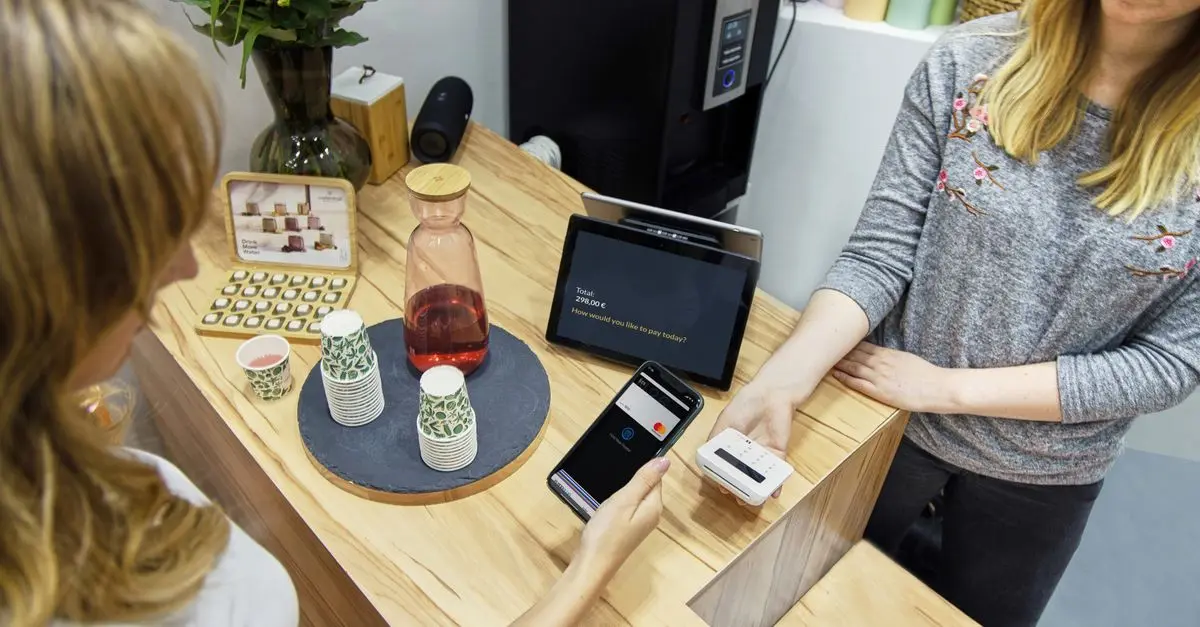
Smart shop technologies prioritize customer satisfaction by creating personalized shopping experiences. For instance, many stores now utilize automated checkout systems and mobile payment options that shorten wait times, contributing to a more enjoyable shopping experience. Additionally, advanced analytics enable retailers to tailor recommendations based on customer behavior, creating an engaging shopping journey that encourages loyalty. By prioritizing customer needs and preferences, businesses can foster stronger connections with their clientele.
2. Increased Operational Efficiency
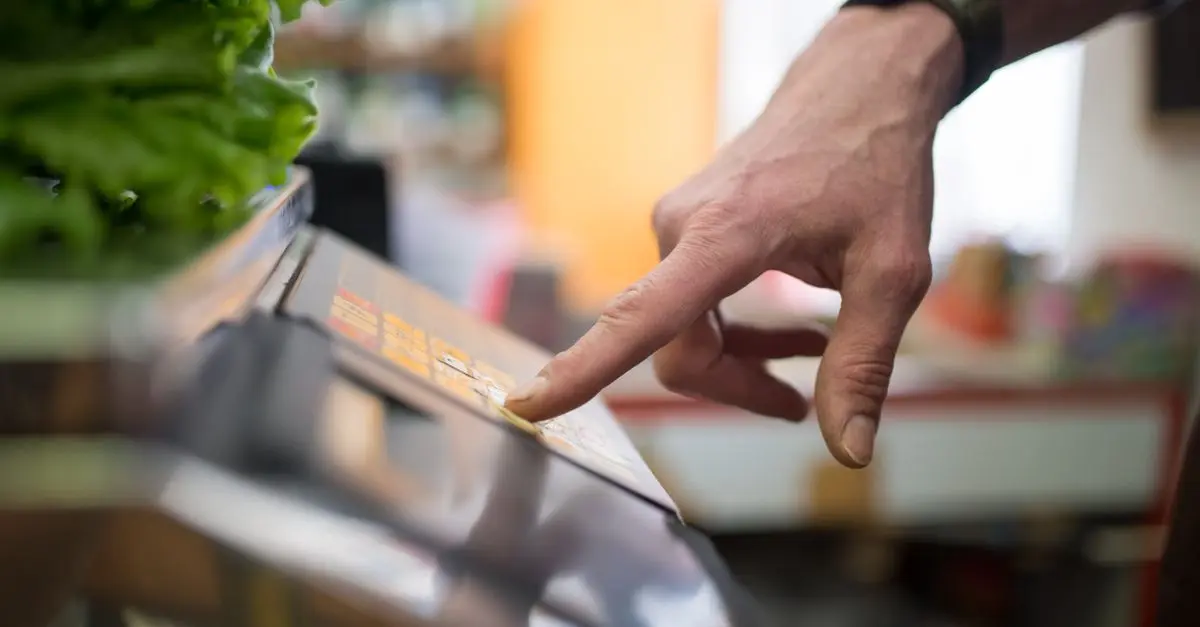
By automating routine tasks like inventory management and staff scheduling, smart shop technologies dramatically improve operational efficiency. For instance, IoT devices can track inventory levels in real-time, alerting managers when stock needs replenishment. This proactive approach minimizes out-of-stock situations and optimizes supply chain logistics. Companies that fully integrate these tools often see significant reductions in operational costs and an increase in overall productivity.


invisaWear Technologies Corporation Safety Classic Keychain - Gold Flower
sharperimage.com

Argon Technologies Inc., dba Klymit Rightline Gear Memory Foam Camp Pillow - Green - Large
sharperimage.com
3. Data-Driven Decision Making
The integration of smart shop technologies provides retailers with access to valuable data insights. By analyzing sales patterns and customer preferences, businesses can make informed purchasing decisions and strategic marketing plans. For instance, retailers can identify which products are trending and adjust their stock accordingly to maximize sales opportunities. In 2026, data-driven businesses can leverage customer feedback to refine their offerings continually, ensuring they meet consumer demands effectively.
4. Improved Inventory Management
Effective inventory management is essential for retail success, and smart shop technologies provide real-time tracking solutions. RFID technology, for example, enables stores to maintain accurate inventories and reduce human error. Retailers can enhance their replenishment strategies, ensuring popular items are consistently available. According to industry reports, retailers employing advanced inventory management systems typically experience a 20% increase in stock accuracy, which directly correlates to enhanced customer satisfaction.
5. Cost Reduction
Implementing smart shop technologies often leads to significant cost savings over time. Automated systems reduce labor costs by minimizing the need for manual labor in areas like checkout and inventory control. Additionally, these technologies can lead to better energy management, reducing operational costs related to energy consumption. Retailers have reported decreases in overhead costs of up to 30% after integrating smart technologies, improving their overall profitability.
6. Increased Sales through Personalization
Personalization is a critical aspect of modern retail, and smart shop technologies enable businesses to tailor their offerings to individual customers. By using customer data to recommend products or send targeted promotions, retailers can increase sales conversions dramatically. For instance, studies have shown that personalized marketing can boost conversion rates by over 20%. The ability to connect with customers on a personal level strengthens brand loyalty and drives repeat business.
7. Real-Time Analytics
Smart shop technologies facilitate real-time data analytics, greatly impacting decision-making processes. Retailers can monitor customer behaviors as they happen, allowing them to pivot and adapt strategies instantaneously. For example, if a particular promotion is underperforming, businesses can alter their approach within hours rather than waiting weeks for traditional reporting. This agility is crucial in today’s fast-paced retail environment, enabling businesses to stay ahead of trends.
8. Seamless Integration with Online Channels
As the line between online and offline retail continues to blur, integrating smart shop technologies in physical stores becomes even more crucial. Retailers can leverage omnichannel strategies that synchronize online and offline experiences. For instance, technologies like click-and-collect allow customers to order online and pick up in-store, which can enhance convenience and increase foot traffic. This integration leads to a unified customer experience, driving sales across all platforms.
9. Sustainability and Eco-Friendly Practices
Incorporating smart technologies can also lead to a more sustainable retail approach. For example, energy-efficient systems reduce carbon footprints, while inventory management tech minimizes waste through just-in-time stock methods. In 2026, retailers embracing green technologies are finding that sustainability can be both beneficial for the planet and profitable as more consumers prioritize eco-friendly practices in their purchasing decisions.
10. Enhanced Security Measures
Finally, the implementation of smart shop technologies elevates security for both customers and retailers. Advanced surveillance systems, along with biometric payment options, enhance in-store safety while preventing theft. Additionally, secure payment technologies protect customer data, fostering trust and confidence in the retail environment. As security concerns continue to rise, investing in these technologies is becoming essential.
📺 Resource Video
For those looking to dive deeper, check out How Smart Shop Technologies Are Transforming Retail, an analysis of the most innovative retail solutions available today. Search on YouTube for: "augmented reality in retail 2026."
Checklist before Implementation
- [ ] Evaluate current technology infrastructure
- [ ] Assess customer experience needs
- [ ] Research potential smart technologies
- [ ] Plan for training staff on new tools
- [ ] Monitor progress and adjust strategies accordingly
Glossary
| Term | Definition |
|---|
| IoT (Internet of Things) | A network of physical devices connected to the internet for data exchange.
| Omnichannel | A multi-channel approach that provides customers with a seamless shopping experience across physical and digital platforms.
| RFID (Radio Frequency Identification) | A technology that uses radio waves to read and capture information stored on tags attached to objects, improving inventory management.
Conclusion
In conclusion, the benefits of smart shop technologies are vast and impactful. Retailers today must navigate a complex landscape where adapting to new technologies can mean the difference between success and obsolescence. By embracing these innovations, businesses can enhance customer experiences, streamline operations, and remain competitive in an ever-evolving market.
Explore our recommendations below to find the best products that can facilitate your transition to smart shop technologies.
📺 Pour aller plus loin : augmented reality in retail 2026 sur YouTube
Recommended products
Selected by our experts
Pred Technologies USA Inc Fingerprint Padlock
sharperimage.com
This biometric lock enhances security for smart shops, ensuring only authorized personnel can access sensitive areas.
invisaWear Technologies Corporation Safety Classic Keychain - Gold Flower
sharperimage.com
This safety keychain provides peace of mind, allowing users to send SOS alerts in emergencies, crucial for staff safety.
Argon Technologies Inc., dba Klymit Rightline Gear Memory Foam Camp Pillow - Green - Large
sharperimage.com
This memory foam pillow is ideal for enhancing comfort in employee rest areas, promoting better employee well-being.