Table of Contents (10 sections)
As we navigate through 2026, the retail landscape is rapidly evolving, particularly with the rise of smart shop innovations. These technologies are not merely trends; they are essential tools designed to enhance customer experience and streamline retail operations. In this article, we'll delve into five key innovations that are transforming how customers interact with shops, ensuring a more personalized and efficient shopping environment.
1. Contactless Payment Systems
In an era where convenience is king, contactless payment systems have surged in popularity, especially within smart shops. According to recent studies, around 70% of consumers now prefer contactless payments due to their efficiency and safety. Implemented through technologies like NFC (Near Field Communication), these systems allow customers to complete transactions with a simple tap of their smartphones or contactless cards.
For retailers, the benefits extend beyond just customer preference — it significantly reduces queue times and enhances customer satisfaction. Moreover, data gathered through these systems provides valuable insights into consumer behavior, allowing businesses to tailor their offerings accordingly.
Buying experience has drastically changed; something as simple as installing contactless card readers can elevate a shop's appeal immensely. As such, integrating these payment methods is a no-brainer for any smart shop looking to stay competitive in 2026.
2. Augmented Reality Shopping Experiences
Imagine walking through a store where you can see how a piece of furniture looks in your living room or how a dress fits you without ever trying it on. This is no longer a distant dream thanks to augmented reality (AR), which is now a cornerstone of smart shop innovations. According to a report by Statista, the global AR market in retail is expected to reach $12 billion by 2026.
AR applications enable customers to visualize products in their own spaces through smartphones or AR glasses, enhancing their shopping experience. For instance, furniture retailers can use AR to allow customers to place 3D models of their furniture in real environments. This not only boosts confidence in purchasing decisions but reduces return rates significantly, proving beneficial for retailers.
By leveraging AR technology, smart shops can create an engaging shopping environment that caters to the modern consumer's desire for convenience and personalization.

Combo Retail Shop Ceiling Fan Lighting, Modern Ceiling Mount, Dimmable Light, Smart LED, Remote Control, Adjustable Color Temperature, white 30w 42cm
inspireuplift.com

Allen Edmonds Hamilton Weatherproof Oxford Dress Boot Boots in Walnut Brown Leather, size 9.0 E
allenedmonds.com
3. Smart Inventory Management Systems
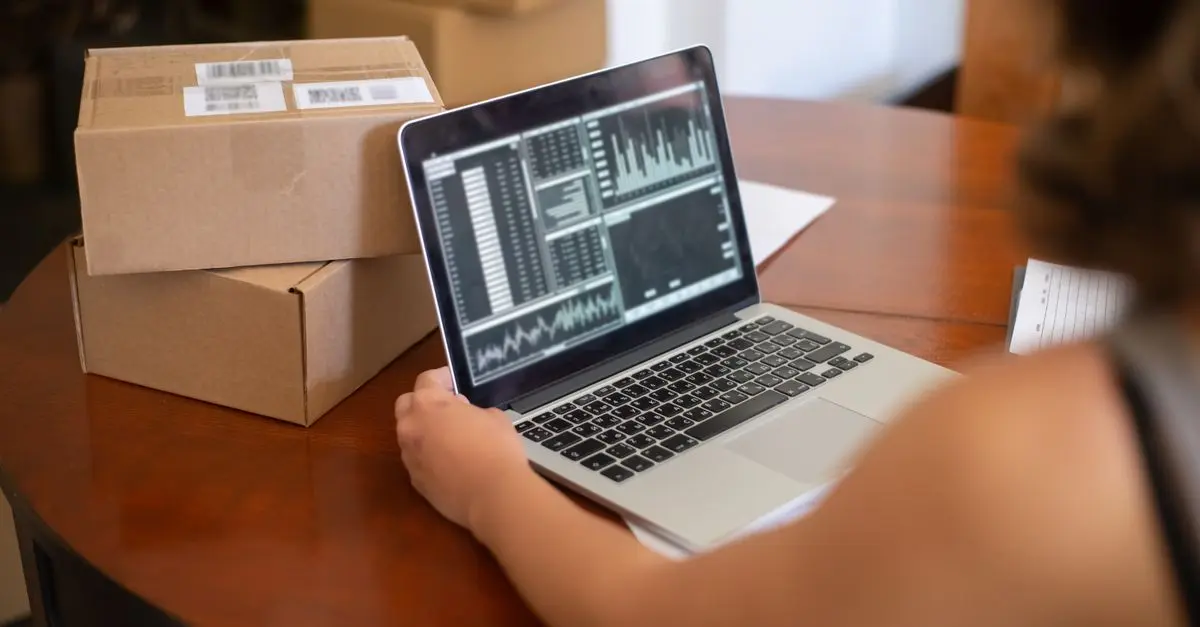
Effective inventory management can make or break a retail operation. In the context of smart shops, automated inventory systems have emerged as vital tools. These systems utilize AI and IoT technologies to track inventory levels in real-time, predict demand, and automate reordering processes. A study from Gartner suggests that companies implementing AI in inventory management have seen efficiency gains of up to 20%.
With smart inventory management, retailers can optimize their stock levels, reduce overhead costs, and ensure product availability without overstocking. This translates to a better shopping experience for customers, who are less likely to encounter out-of-stock frustrations. Furthermore, the data analyzed can provide insights into purchasing patterns, enabling personalized marketing strategies that resonate with customers.
4. Personalized Customer Engagement Strategies
In today's competitive marketplace, one-size-fits-all approaches are fading. Smart shops are shifting towards personalized customer engagement strategies through data analytics. By collecting data from various touchpoints, retailers can create tailored experiences for individual customers. For instance, loyalty programs can be customized to offer suggestions based on past purchases, improving both customer satisfaction and retention rates.
Research from McKinsey indicates that personalization can lead to a 10-15% increase in sales. Implementing chatbots and virtual assistants can further enhance this experience by providing instant, tailored support to customers, making them feel valued and understood.
As consumers increasingly expect personalization, smart shops using these strategies will be at a distinct advantage in the retail landscape of 2026.
5. Sustainable Product Offerings
Today's consumers are more environmentally conscious than ever, making sustainability a crucial aspect of retail. Smart shops are responding by integrating sustainable product offerings into their business models. This includes sourcing products made from recycled materials, offering eco-friendly packaging, and promoting zero-waste initiatives. An Nielsen study found that 73% of millennials are willing to pay more for sustainable goods,
noting that incorporating sustainability efforts can enhance brand loyalty.
Moreover, transparency in sourcing can foster trust among consumers. Smart shops can spotlight eco-friendly products through digital displays or apps, making it easy for conscientious shoppers to find sustainable options. Adopting sustainability not only meets consumer demand but also positions retailers positively in a competitive landscape, making it a key innovation in smart shopping.
📺 For further insights: [Exploring the Future of Retail: 2026 Innovations], discover how to leverage technology to enhance customer experience. Search on YouTube: "smart shop innovations 2026".


Glossary
| Terme | Définition |
|---|---|
| Smart Shop | Un magasin utilisant des technologies avancées pour améliorer l'expérience client et l'efficacité opérationnelle. |
| Contactless Payment | Un système de paiement permettant aux clients de payer sans contact physique, souvent via cartes ou smartphones. |
| Augmented Reality | Une technologie qui superpose des éléments numériques à des environnements réels, souvent utilisée pour améliorer l'expérience d'achat. |
Checklist avant achat
- [ ] Considérer l'intégration des systèmes de paiement sans contact.
- [ ] Explorer les options AR pour améliorer l'expérience client.
- [ ] Implementer un système de gestion des stocks intelligent.
- [ ] Fournir des stratégies d'engagement client personnalisées.
- [ ] Évaluer les options de produits durables à offrir aux clients.
📺 Pour aller plus loin : smart shop innovations 2026 sur YouTube
Recommended products
Selected by our experts

Twill Waiter Pants, Off White - Service Works Official Shop Off White Medium Unisex
bespokepost.com
The Voyager Bundle, Inkwell Black - Line of Trade Official Shop Inkwell Black One size Unisex
bespokepost.com