Table of Contents (12 sections)
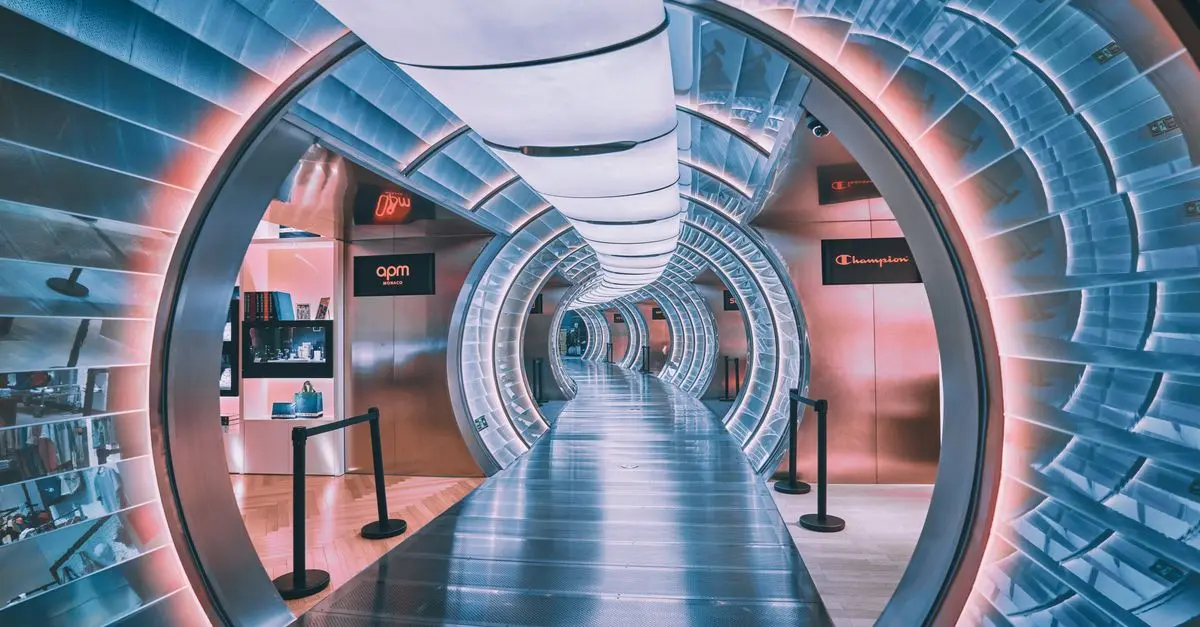
As we delve into 2026, the landscape of retail is undergoing significant transformations, driven by technological advancements and evolving consumer expectations. Smart shops—retail spaces enhanced with technology—are at the forefront of this change, embodying a fusion of convenience, personalization, and sustainability. This article explores the emerging trends influencing the development of smart shops today and what the future holds for this dynamic sector.
Emerging Trends in Smart Shops
1. AI-Powered Personalization
One of the standout trends in smart shops is the integration of artificial intelligence (AI) to enhance customer personalization. Retailers are leveraging AI algorithms to analyze consumer behavior, preferences, and purchasing patterns. This technology enables smart shops to offer tailored recommendations, improving customer satisfaction and loyalty. According to a recent study by McKinsey, AI-driven personalization can lead to a 10-30% increase in sales.
For instance, stores using AI can offer personalized ads to customers based on their shopping history. This not only enhances the shopping experience but also increases conversion rates.
Analysis
Retailers investing in AI solutions must focus on data privacy and security, ensuring customers feel safe while experiencing personalized services. The demand for such technologies is only expected to grow, prompting retailers to adopt AI as a core part of their strategy.
2. Sustainable Practices
Consumers are becoming increasingly conscious of sustainability. In 2026, eco-friendly practices are a fundamental trend shaping smart shops. Retailers are adopting strategies that minimize waste and environmental impact, such as reducing plastic usage and sourcing sustainable products. For example, some stores are now offering products with zero packaging.
This trend is supported by statistics from Statista, indicating that 72% of consumers prefer brands that are committed to sustainability. Brands that embody these principles not only enhance their reputation but also attract environmentally conscious shoppers.
Analysis
Integrating sustainable solutions can be challenging but offers long-term benefits. Retailers must engage consumers in their sustainability narratives to build loyalty and trust, resulting in a positive impact on sales and reputation.
3. Augmented Reality (AR) Experiences
Augmented reality has revolutionized how consumers interact with products. Smart shops are increasingly utilizing AR technology to enhance the shopping experience. By allowing customers to visualize products in their home environment before purchase, retailers can significantly reduce return rates. For example, furniture stores are employing AR apps that enable customers to see how a sofa would look in their living room.
According to a report from Gartner, AR is expected to contribute over $120 billion to the retail sector by 2026.
Analysis
The use of AR not only enriches customer experience but also positions retailers as innovative leaders. However, retailers need to invest in user-friendly interfaces for these applications to be successful.
4. Omnichannel Retailing
The seamless integration of various shopping channels defines omnichannel retailing. In 2026, smart shops are expected to offer an interconnected experience, merging physical and digital platforms. Customers prefer shopping in stores after researching products online. This trend emphasizes the need for retailers to create a cohesive experience across channels.
A survey conducted by IBM found that 75% of retailers believe an omnichannel strategy is essential for survival in the digital age.
Analysis
Adopting an omnichannel approach requires substantial investment in technology and training employees. Retailers who successfully integrate this model can boost customer retention and maximize sales opportunities.
5. Contactless Shopping
The pandemic accelerated the adoption of contactless shopping solutions. By 2026, contactless technology is standard in smart shops everywhere. From mobile payments to automated checkouts, these technologies significantly reduce transaction times and enhance customer convenience. Retail data shows that 50% of consumers now prefer contactless payment options, a trend solidified by the expectations for hygiene and safety in retail.
Analysis
Retailers investing in contactless shopping must ensure top-notch security measures are in place while also educating consumers on the benefits, which can enhance their shopping experience and overall satisfaction.
Comparison of Key Trends
| Trend | Description | Benefits | Challenges |
|---|---|---|---|
| AI-Powered Personalization | Tailored customer experiences | Increased sales, enhanced loyalty | Data privacy concerns |
| Sustainable Practices | Eco-friendly initiatives | Attracts conscious consumers, builds brand loyalty | High initial costs |
| AR Experiences | Interactive product visualization | Reduces returns, enhances engagement | Requires robust tech infrastructure |
| Omnichannel Retailing | Integrated shopping platforms | Maximizes sales, boosts retention | Technology investment |
| Contactless Shopping | Non-touch payment methods | Convenience, hygiene | Security concerns |
6. Data Analytics and Insights
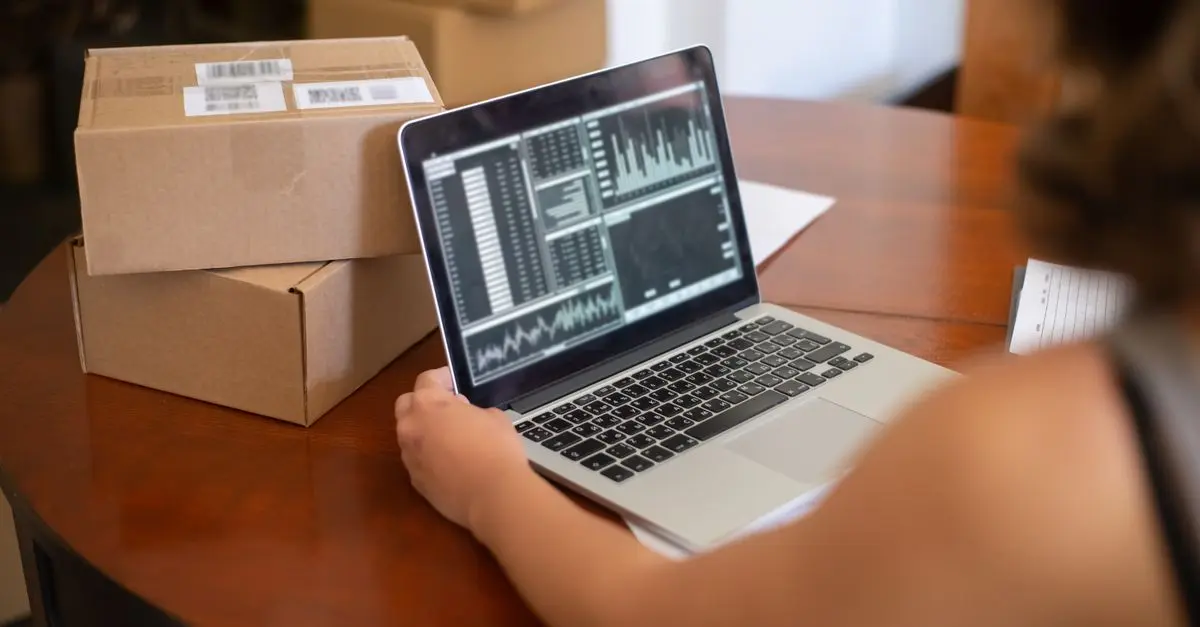
Data analytics is crucial in shaping the future of smart shops. Retailers are increasingly using big data to gain insights into consumer preferences, stock management, and marketing strategies. By analyzing vast amounts of data, retailers can anticipate trends and make informed decisions. In 2026, it is predicted that businesses that leverage data analytics will outperform their competitors by 20% in sales.
Analysis
Successful data analytics requires investment in software and training, but the benefits—such as forecasting sales and managing inventory—are essential in today’s competitive landscape. Ongoing analysis can lead to continuous improvement in customer experience and operational efficiency.
📺 Ressource Vidéo
For further insights into smart shop trends, you may find it useful to explore YouTube for videos such as: "Innovative Trends in Smart Retail 2026". Search using keywords like 'smart retail trends 2026'.
Uplifted Trends Breathable Zero Pressure Cervical Neck Pillow Washable TPE Latex Support For Neck Pain Relief no Pillowcase
inspireuplift.com
Glossaire
| Terme | Définition |
|---|---|
| Smart Shop | A technologically enhanced retail space that provides personalized experiences through advanced tools. |
| AI (Artificial Intelligence) | Technology that simulates human intelligence to optimize customer experiences and business processes. |
| Omnichannel Retailing | A strategy that integrates different shopping channels, both physical and digital, for a seamless customer experience. |
Checklist avant achat
- [ ] Verify the latest technology trends
- [ ] Analyze sustainability practices in products
- [ ] Research personalization options available
- [ ] Test the user experience in your chosen shop
- [ ] Evaluate data security measures for contactless options
Conclusion
The evolution of smart shops is underpinned by a multitude of trends that emphasize personalization, sustainability, and seamless customer experiences. As we look ahead, embracing these innovative strategies will be essential for retailers aiming to thrive in this competitive market.
Call to Action: Explore our curated selection of recommended products to elevate your smart shopping experience.
📺 Pour aller plus loin : smart retail trends 2026 sur YouTube
Recommended products
Selected by our experts
Uplifted Trends Breathable Zero Pressure Cervical Neck Pillow Washable TPE Latex Support For Neck Pain Relief no Pillowcase
inspireuplift.com
This neck pillow provides essential support for shoppers, ensuring that they are comfortable during lengthy retail experiences.