Table of Contents (11 sections)
The world of retail is experiencing a significant transformation in the era of digital commerce, especially with the advent of augmented reality (AR). The integration of augmented reality in smart shopping is revolutionizing how consumers interact with brands and products. By providing an immersive experience, AR enhances consumer engagement, encourages informed purchasing decisions, and ultimately increases sales. As we dive deeper into this innovative technology, we will explore its impact and various applications in the realm of smart shopping.
What is Augmented Reality?
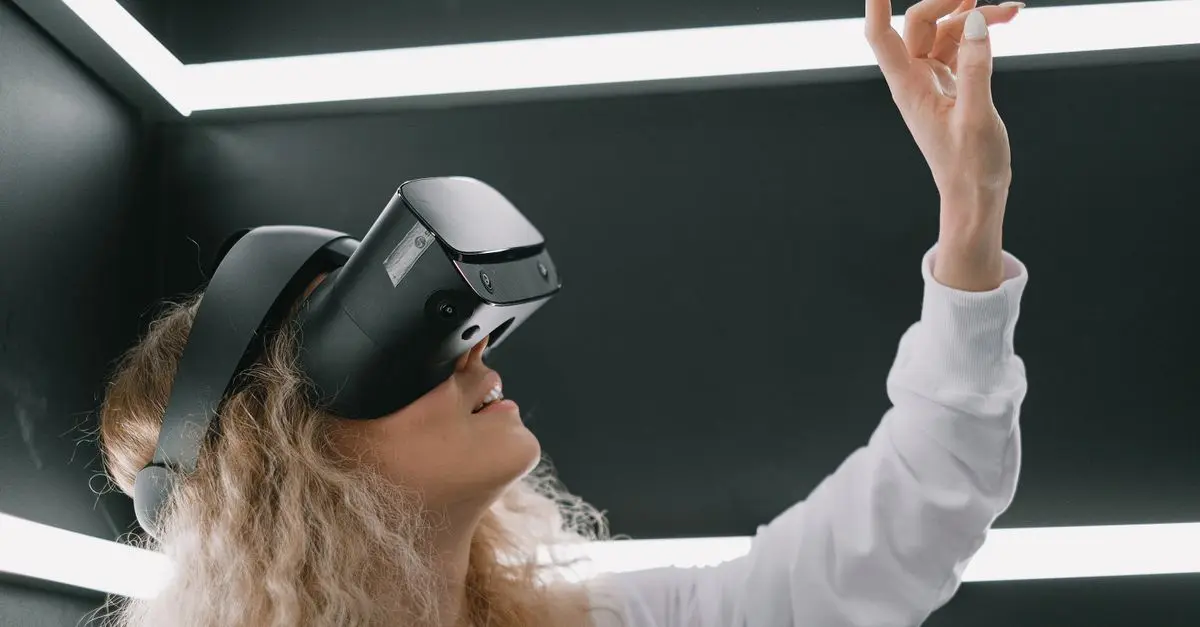
Augmented reality is a technology that superimposes digital information, such as images, sounds, and text, onto the real world using devices like smartphones, tablets, or AR glasses. Unlike virtual reality, which creates a completely immersive environment, AR augments the real world with digital elements, allowing users to interact with both simultaneously.
According to a report by Statista, the augmented reality market is expected to reach $198 billion by 2025, an indication of its growing importance in various industries, particularly retail. Retailers are increasingly leveraging AR technology to enhance shopping experiences by enabling customers to visualize products in their environments before making a purchase.
The Benefits of Augmented Reality in Smart Shopping
The incorporation of augmented reality in smart shopping offers numerous benefits to both consumers and retailers. Here are some of the key advantages:
- Enhanced Customer Engagement: By providing interactive experiences, AR captures consumers’ attention more effectively than traditional advertising methods. Shoppers can visualize products in real-time, leading to a more engaging shopping experience.
- Informed Decision Making: AR allows customers to virtually try on products, such as clothing or accessories, or see how furniture will look in their homes. This capability helps consumers make informed decisions and reduces the likelihood of returns.
- Increased Conversion Rates: Brands utilizing AR technology have reported higher conversion rates. A Nielsen study indicated that AR can increase purchase intention by up to 90%. This striking increase can be attributed to the interactive and engaging nature of AR experiences.
- Personalized Shopping Experiences: AR allows retailers to create tailored experiences for their customers. By analyzing user data, brands can offer customized recommendations and promotions, enhancing customer satisfaction and fostering loyalty.
How to Implement Augmented Reality in Your Shopping Strategy
If you're a retailer looking to incorporate augmented reality into your shopping strategy, here are some steps to follow:
- Define Your Goals: Identify the primary objectives of implementing AR. Whether it's increasing sales, improving customer engagement, or enhancing brand awareness, having clear goals will guide your AR strategy.
- Choose the Right Platform: Select a platform that aligns with your target audience and business needs. Popular platforms for AR development include Apple's ARKit and Google's ARCore. These platforms offer tools for creating user-friendly AR experiences.
- Develop Interactive Content: Create engaging and interactive content that showcases your products effectively. This could include 3D models, virtual try-on features, or AR-enabled navigation in your stores.
- Market Your AR Experiences: Promote your new AR features through marketing campaigns. Use social media, email newsletters, and your website to inform customers about your innovative shopping experiences.
Comparing AR with Traditional Shopping Methods
| Feature | Augmented Reality | Traditional Shopping | Verdict |
|---|---|---|---|
| Engagement Level | High | Moderate | AR wins |
| Customer Decision Speed | Fast | Slower | AR wins |
| Return Rates | Low | High | AR wins |
| Personalization | High | Low | AR wins |
Future Trends in Augmented Reality for Retail
The future of augmented reality in retail looks promising. As technology advances, we can expect even more innovative applications of AR in smart shopping. For instance, the integration of artificial intelligence (AI) and AR could lead to hyper-personalized shopping experiences, where AR applications learn consumer preferences and provide tailored recommendations.
Additionally, social shopping is on the rise. Platforms like Instagram and Snapchat are already incorporating AR features for brands to allow users to try before they buy. This trend is likely to expand as more retailers embrace the power of augmented reality.
Expert Opinion
> 💡 Expert Opinion: Dr. Emily Thomas, a retail technology analyst, states, "The integration of AR in smart shopping not only improves the consumer experience but also provides businesses with valuable insights into consumer behavior, paving the way for more effective marketing strategies. Retailers must adopt this technology to stay competitive in the evolving landscape."
- What is augmented reality?
Augmented reality (AR) is a technology that overlays digital information, such as images and sounds, onto the real world, enhancing user experiences.
- How does AR enhance smart shopping?
AR enhances smart shopping by allowing consumers to visualize products in their environment, improving engagement and facilitating informed purchase decisions.
- What are the future trends for AR in retail?
Future trends include the integration of AI for personalization, increased use of AR in social shopping, and developments in AR technology for improved user experiences.
- How can retailers implement AR technology?
Retailers can implement AR by defining their goals, choosing suitable platforms, creating interactive content, and marketing their AR experiences to consumers.
Glossary
| Term | Definition |
|---|---|
| Augmented Reality (AR) | A technology that overlays digital content onto the real world, enhancing user experiences. |
| Smart Shopping | A modern shopping experience that integrates technology to enhance consumer engagement. |
| Personalization | Tailoring products and experiences to individual customer preferences and behaviors. |
Checklist before Purchase
- [ ] Identify desired product compatibility with AR.
- [ ] Ensure a good internet connection for AR features.
- [ ] Review user feedback on the AR experience.
- [ ] Check the return policy for AR-enabled products.
- [ ] Explore different AR applications for product visualization.
Smart Shopping Spot CD Slot Car Mount, Universal Car Mount For Tablet, Phone Holder For Smartphone CD Slot Car Mount, Universal Car Mount For Tablet,
inspireuplift.com
Smart Shopping Spot Adjustable Tablet Car Mount Holder, Cup Holder Base For Tablets In Car With Heavy Duty Design Adjustable Tablet Car Mount Holder,
inspireuplift.com
Smart Shopping Spot Car Dashboard Tablet Holder, Suction Mount For Tablets Car Dashboard Tablet Holder, Suction Mount For Tablets
inspireuplift.com
📺 Resource Video
> 📺 For further insights: Exploring Augmented Reality in Retail, an in-depth analysis of how AR is transforming shopping experiences. Search on YouTube: "augmented reality in retail 2026".
📺 Pour aller plus loin : augmented reality in retail 2026 sur YouTube
Recommended products
Selected by our experts

Bellroy Market Tote Plus Large Foldable Shoulder Shopping Bag Copper - Copper
bellroy.com

Bellroy Market Tote Plus Large Foldable Shoulder Shopping Bag Hot Sauce - Hot_sauce
bellroy.com


Bellroy City Tote Compact Foldable Shoulder Shopping Bag Burgundy - Burgundy
bellroy.com

Bellroy City Tote Compact Foldable Shoulder Shopping Bag Hot Sauce - Hot_sauce
bellroy.com