Table of Contents (11 sections)
Understanding Smart Shops
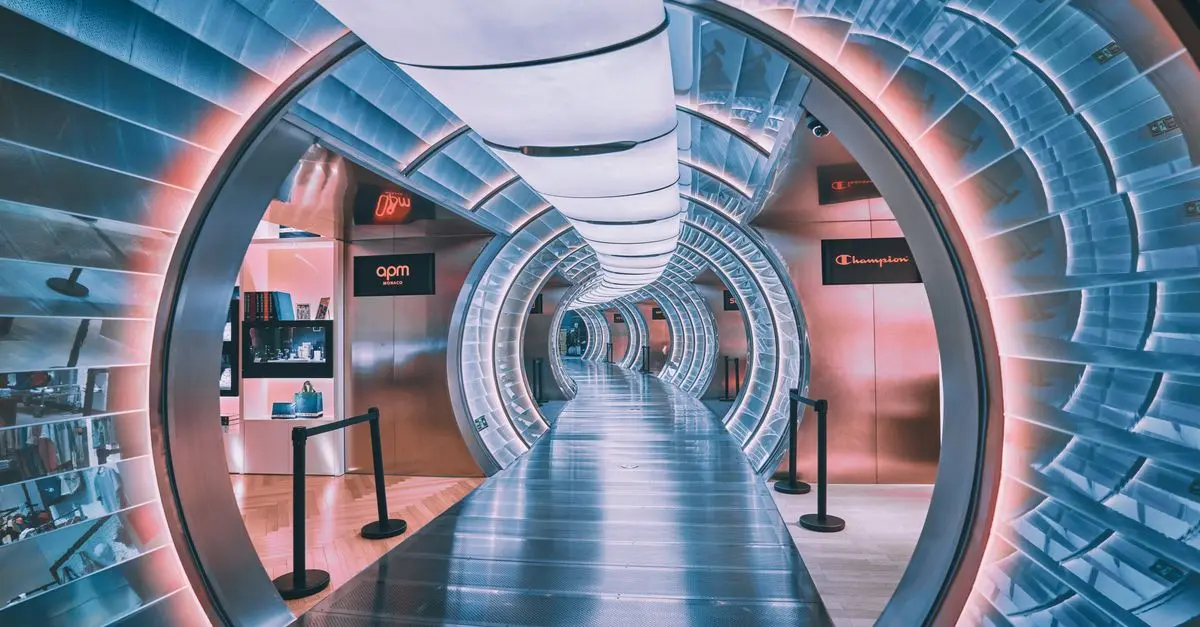
Smart shops are retail spaces that seamlessly blend technology with shopping experiences, evolving rapidly to meet shifting consumer trends. In recent years, there has been a notable shift towards creating environments that resonate with the modern shopper's expectations for convenience and engagement. This entails not only leveraging digital tools but also adapting to broader market dynamics such as sustainability and consumer preferences.
As of 2026, smart shops are characterized by their ability to integrate advanced technologies like AI, IoT, and data analytics, transforming how retailers understand and respond to their customers. According to a recent study by Mckinsey, over 60% of retail executives reported that investing in smart technology has become a top priority within their strategic initiatives. This technological adaptation is not merely about catching up; it’s about setting up a retail environment where consumer engagement is at the forefront.
Adapting to Digital Integration
The digital realm has profoundly influenced consumer trends in smart shops. Retailers are increasingly adopting omnichannel strategies, merging the online and offline worlds to provide customers a seamless shopping experience. This process involves utilizing mobile apps, social media platforms, and e-commerce websites to create cohesive experiences across different touchpoints.
A key strategy involves the use of smart mirrors and interactive kiosks, which facilitate product trials and provide product information instantly. For example, ASOS has implemented virtual fitting rooms, allowing customers to see how clothes fit without trying them on physically. The integration of these digital solutions results in increased customer satisfaction, reduced return rates, and improved sales.
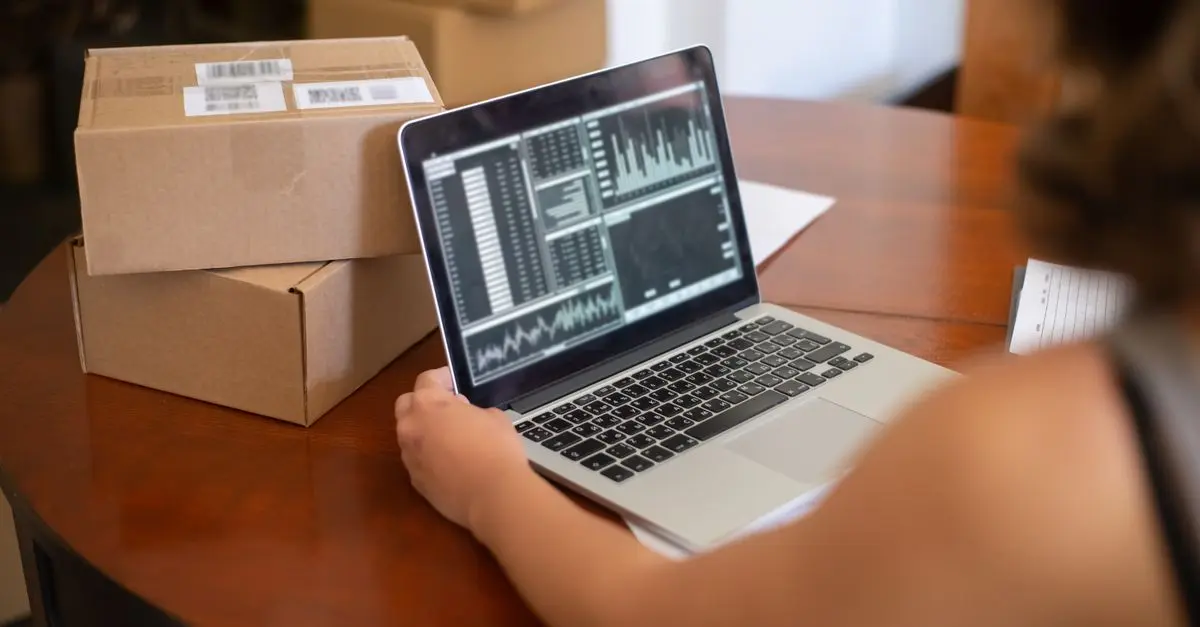
In addition, setting up real-time data collection systems enables smart shops to tailor their offerings to reflect changing customer preferences efficiently. A recent survey from Frost & Sullivan indicates that shops using digital integration have experienced a 30% increase in customer retention. This demonstrates that meeting customer expectations in a digital age is essential for continued success.
Uplifted Trends Breathable Zero Pressure Cervical Neck Pillow Washable TPE Latex Support For Neck Pain Relief no Pillowcase
inspireuplift.com
Sustainability in Smart Shops
Sustainability is becoming a non-negotiable aspect of modern retail, and smart shops are at the forefront of this movement. In 2026, we see a pronounced commitment from retailers to align their business practices with environmental responsibility. This commitment encompasses everything from sourcing products ethically to reducing carbon footprints throughout the supply chain.
Consumers today are more conscious of their purchasing decisions—70% of respondents in a study by Nielsen stated they are willing to pay a premium for sustainably produced goods. Smart shops are responding by offering eco-friendly products, reducing single-use plastics, and highlighting transparent sourcing practices. Patagonia is a prime example, as they have integrated recycling programs and sustainable materials in their product lines, enhancing their appeal to environmentally-minded shoppers.
In addition, many smart shops are investing in energy-efficient technologies, such as LED lighting and smart climate control systems, to minimize energy consumption. By adopting such practices, businesses not only attract sustainability-conscious consumers but also cut down on operational costs, creating a win-win situation.
Personalization Trends
Personalization remains a pivotal consumer trend, with smart shops employing advanced data analytics to curate customized shopping experiences. By analyzing purchase history and customer feedback, retailers can craft tailored recommendations that resonate with individual customer preferences.
Tools such as AI-driven algorithms help in offering personalized marketing, email campaigns, and product recommendations. For example, Amazon’s recommendation system has long been a cornerstone of its success, showcasing how effective personalization can drive sales and enhance customer loyalty.
Furthermore, in-store technologies like beacons can send personalized promotions to customers’ smartphones when they enter a shop, increasing the likelihood of spontaneous purchases. This level of personalization can increase conversion rates by up to 10% according to insights from Harvard Business Review. As more consumers seek tailored experiences, smart shops must continue refining their personalization strategies to stay relevant.
Experiential Retail
Experiential retail has emerged as a critical trend, emphasizing the importance of creating memorable shopping experiences. In a time when consumers can shop online at any moment, smart shops are focusing on offering unique, immersive experiences that cannot be replicated online.
This shift can be seen in the rise of experiential pop-up stores that encourage interaction and showcase new products in engaging ways. For instance, brands like Nike have successfully implemented experience-driven retail spaces where customers can test products and participate in interactive events.
According to a report by EventTrack, 70% of consumers who participate in experiences are likely to become repeat customers. By prioritizing experiences over transactions, smart shops can foster deeper emotional connections with their consumers, ultimately leading to increased loyalty and sales.
Technological Innovations
Innovation remains at the heart of smart shops as they look for ways to enhance the customer experience. The integration of augmented reality (AR) and virtual reality (VR) has been instrumental in this evolution. Brands are utilizing AR to empower customers to visualize products in their own environments before purchasing, which reduces purchasing uncertainty.
Additionally, automated checkout systems, such as those pioneered by Amazon Go, enable consumers to shop without the hassle of traditional checkout lines. Automation is not only transforming the shopping experience but also streamlining operations for staff and minimizing human error.
As per a report from Statista, investments in retail technology are projected to grow by over 40% in the next few years, emphasizing the competitive advantage that innovative technologies bring to the retail landscape.
Challenges Ahead
Despite the positive trajectory of adopting consumer trends in smart shops, several challenges remain. The most pressing issues revolve around maintaining privacy and security in a data-driven world. With increased personalization comes the responsibility of handling consumer data ethically and transparently.
Moreover, as more retailers shift towards sustainability, they must navigate the complexities of supply chains and logistical operations without compromising cost-efficiency. The retail sector must also continuously adapt to rapid technological changes and consumer expectations, which can often be unpredictable.
💡 Avis d'expert: Les experts prédisent que les magasins intelligents devront innover constamment pour s'adapter aux nouvelles exigences des consommateurs, en mettant l'accent sur des pratiques durables et responsables.
FAQs
- What are smart shops?
Smart shops combine technology and retail to enhance shopper experiences through digital tools and data analytics.
- How do smart shops personalize customer experiences?
They analyze customer data and preferences to create tailored promotions and product recommendations.
- What makes experiential retail important?
Experiential retail fosters emotional connections with customers, making them more likely to return.
- What are the main challenges for smart shops?
Privacy concerns, logistical complexities in sustainability, and adapting to rapid technological advancements.
Checklist Before Shopping
- [ ] Check for sustainable product options.
- [ ] Look for personalized recommendations.
- [ ] Explore interactive shopping experiences.
- [ ] Verify the use of secure payment methods.
- [ ] Assess the store's return policies.
Glossary
| Terme | Définition |
|---|
| Smart Shop | Un magasin utilisant des technologies avancées pour améliorer l'expérience d'achat.
| Omnichannel | Une stratégie de vente intégrant toutes les plateformes pour une expérience client fluide.
| Expérientiel | En rapport avec des expériences immersives conçues pour capturer l'attention du consommateur.
📺 Pour aller plus loin : Ep. 139 - 2026 Retail Trends: Adapt or Fall Behind with Scott Benedict and Deanah Baker sur YouTube
Recommended products
Selected by our experts
Uplifted Trends Breathable Zero Pressure Cervical Neck Pillow Washable TPE Latex Support For Neck Pain Relief no Pillowcase
inspireuplift.com
This neck pillow helps improve the comfort of long hours spent in smart shops, enhancing the shopping experience.