Table of Contents (13 sections)
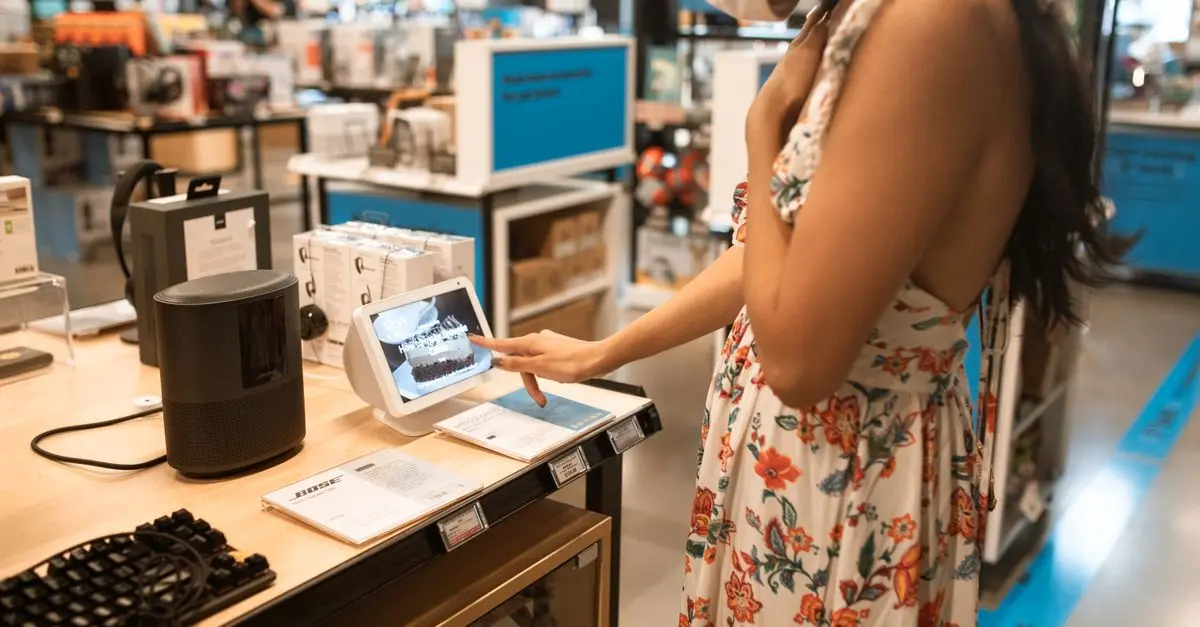
In recent years, the retail landscape has undergone a significant transformation. The emergence of smart shops has reshaped how consumers approach shopping, particularly in today's digital-first world. But what exactly does it mean for a shop to be 'smart'? Simply put, it refers to retailers that leverage advanced technologies to create an enhanced shopping experience while effectively responding to changing consumer demands and behaviors.
According to current trends, consumers prioritize convenience, personalization, and engagement when choosing their shopping destinations. This evolution necessitates that smart shops adapt not only in their inventory but also in their operational strategies and customer interactions. As organizations explore this adaptation, they are discovering that investing in technology, employee training, and customer relationship management are pivotal to maintaining relevance in a fast-evolving market.
Additionally, smart shops are transforming their physical spaces to blend the online and offline shopping experiences. Examples from leading retailers illustrate how changing consumer preferences are driving innovation and adaptation not just for profits, but to create loyal, satisfied shopping experiences.
The Consumers’ Shift in Preferences
Emerging consumer behaviors illustrate a decisive shift in preferences, influencing how smart shops operate. Today’s consumers value experiences over transactions, focusing on personalized service and seamless shopping experiences. A report by Deloitte reveals that 80% of consumers appreciate personalized experiences from brands and retailers. This preference is underlying how smart shops must redefine their customer engagement strategies.
To accommodate this shift, smart shops are increasingly integrating data analytics to understand customer behavior deeply. For example, retailers analyze previous shopping data to create tailored experiences for returning customers. Enhanced loyalty programs that respond specifically to consumer behaviors are also becoming commonplace. According to Mckinsey, retailers who utilize a data-driven customer engagement strategy can see a 10% increase in sales.
Smart shops are also incorporating technologies like augmented reality (AR) and virtual reality (VR). These innovative tools allow customers to visualize products in their space or try them out virtually before making purchases. This type of engagement not only attracts customers but significantly improves conversion rates by making the buying process more enjoyable and informed.
Process of Adaptation for Smart Shops
The adaptation process for smart shops involves several critical steps, from integrating technology to re-evaluating customer service practices. Here’s a step-by-step approach that many businesses are adopting:
- Assess Consumer Needs: Start by conducting surveys or utilizing analytics tools to gather data about consumer preferences and expectations.
- Integrate Technology: Implement tools such as customer relationship management (CRM) systems or smart checkout technologies to streamline processes.
- Train Employees: Equip staff with the necessary skills to use new technologies effectively, ensuring they can assist customers rather than being hindered by them.
- Personalize Experiences: Utilize data from CRM to provide customized offers and recommendations based on past purchase behaviors.
- Measure Performance: After implementing these changes, review their impact on sales and customer satisfaction regularly. This helps identify what is working and what needs improvement.
Through these structured steps, smart shops can create an adaptable, customer-focused environment. Retailers like Walmart and Amazon exemplify this balance of technological adaptation and customer-centric strategies that will persist as the digital economy evolves.
Drop Dash Deals Screen Clip Phone Mount, Universal Smartphone Holder Screen Clip Phone Mount, Universal Smartphone Holder
inspireuplift.com

WHALL - 2 Slice Toaster, Toasters 2 slice, Smart Bread Toaster, Touchscreen Toaster wide slots - Stainless Steel
bestbuy.com

Comparative Analysis of Smart Shop Features
In navigating this rapidly changing landscape, it’s invaluable to compare features across different smart shops. Here’s a comparative analysis:
| Feature | Smart Shop A | Smart Shop B | Smart Shop C | Verdict |
|---|---|---|---|---|
| Personalized Experiences | Yes | No | Yes | Smart Shop A and C excel in personalization. |
| Use of AR/VR | Yes | Yes | No | Both A and B are tech-savvy. |
| Customer Engagement | High | Medium | High | All maintain strong engagement, but A excels. |
| Seamless Checkout | Yes | No | Yes | A and C facilitate better checkout experiences. |
The Role of Analytics in Smart Shops
Analytics is a cornerstone for smart shops, influencing decision-making at all levels. Retailers leverage analytics to sift through vast amounts of data generated during consumer interactions. Nielsen reports that brands using advanced analytics can increase marketing ROI by as much as 15%. This data can inform which products to stock, optimal pricing strategies, and even promotion scheduling.
Moreover, consumer sentiment analysis allows retailers to adapt their messaging in real-time, ensuring alignment with current trends and demands. A well-known example is how Starbucks uses analytics to tailor its menu and offerings based on local preferences. By remaining agile and responsive to data insights, smart shops can create touchpoints that resonate with consumers, enhancing brand loyalty.
What are smart shops?
Smart shops are retail outlets that utilize advanced technologies to create enhanced shopping experiences that address consumer needs and preferences.
How do smart shops gather consumer data?
They utilize analytics tools and CRM systems to analyze shopping behavior and preferences, allowing them to personalize experiences effectively.
What technology do smart shops commonly use?
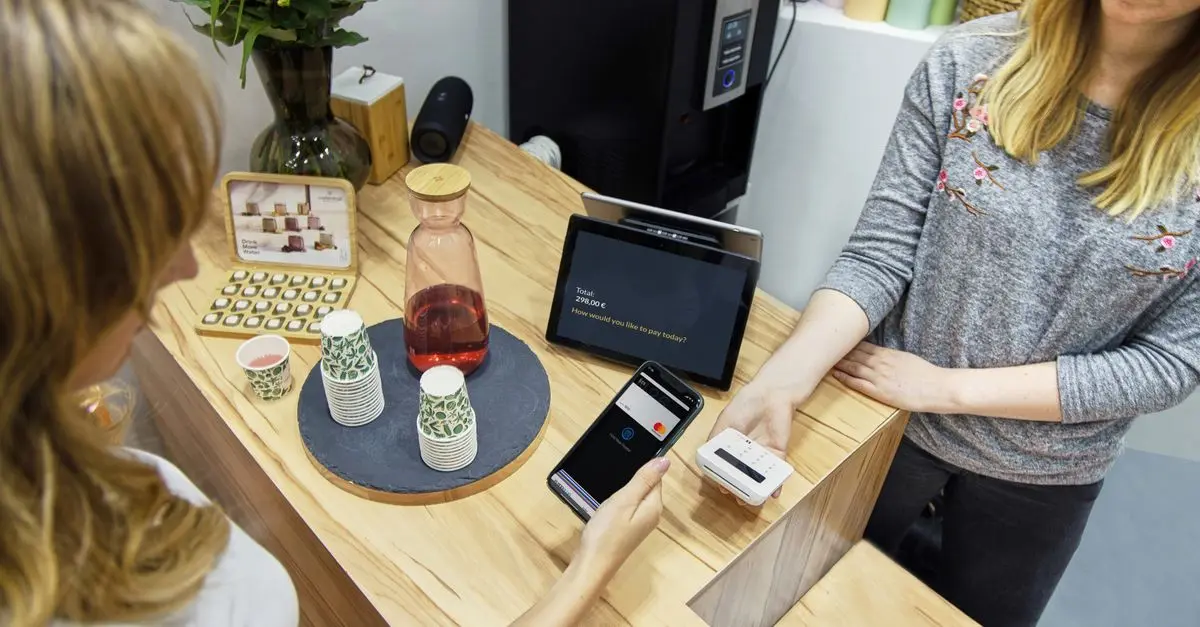
Common technologies include AR, VR, CRM systems, and mobile payment solutions to streamline the shopping experience.
How can retailers stay competitive in the smart shop landscape?
Retailers should continually assess consumer trends, leverage analytics, adopt new technologies, and enhance customer engagement strategies.
💡 Avis d'expert: Utiliser les données à votre avantage est crucial dans le paysage des boutiques intelligentes. Deloitte indique que les entreprises qui adoptent des systèmes CRM efficaces voient une fidélisation client accrue.
Checklist avant achat
- [ ] Évaluer les besoins des consommateurs
- [ ] Intégrer des systèmes CRM et des technologies de paiement
- [ ] Former les employés sur ces outils
- [ ] Créer des expériences personnalisées
- [ ] Analyser les performances régulièrement
Glossaire
| Terme | Définition |
|---|---|
| Smart Shops | Magasins qui intègrent les technologies avancées pour améliorer l'expérience client. |
| Analytics | Processus d'examen des données pour influencer des décisions informées. |
| Personalization | Stratégie qui consiste à adapter les offres et les communications aux préférences des clients. |

Smart Smartphone Case - For Samsung Galaxy XCover6 Pro Smartphone - Black
bestbuy.com

MOVO - PR-1 Smartphone Grip Handle Rig - Compatible with Most Smartphones
bestbuy.com

Movo PR-1 Smartphone Grip Handle Rig - Compatible with Most Smartphones black
shop.simon.com
📺 Ressource Vidéo
> 📺 Pour aller plus loin : Understanding Smart Shops and Their Impact on Retail, une analyse complète de l'évolution des magasins intelligents. Recherchez sur YouTube : "smart shops adaptation consumer trends 2026".
Nous avons sélectionné plusieurs produits adaptés à ces besoins émergents. N'hésitez pas à consulter nos recommandations ci-dessous.
📺 Pour aller plus loin : Best Smart Glasses of 2026: The Future Is Wearable! sur YouTube
Recommended products
Selected by our experts