Table of Contents (13 sections)
What is Data Analytics in Smart Shops?
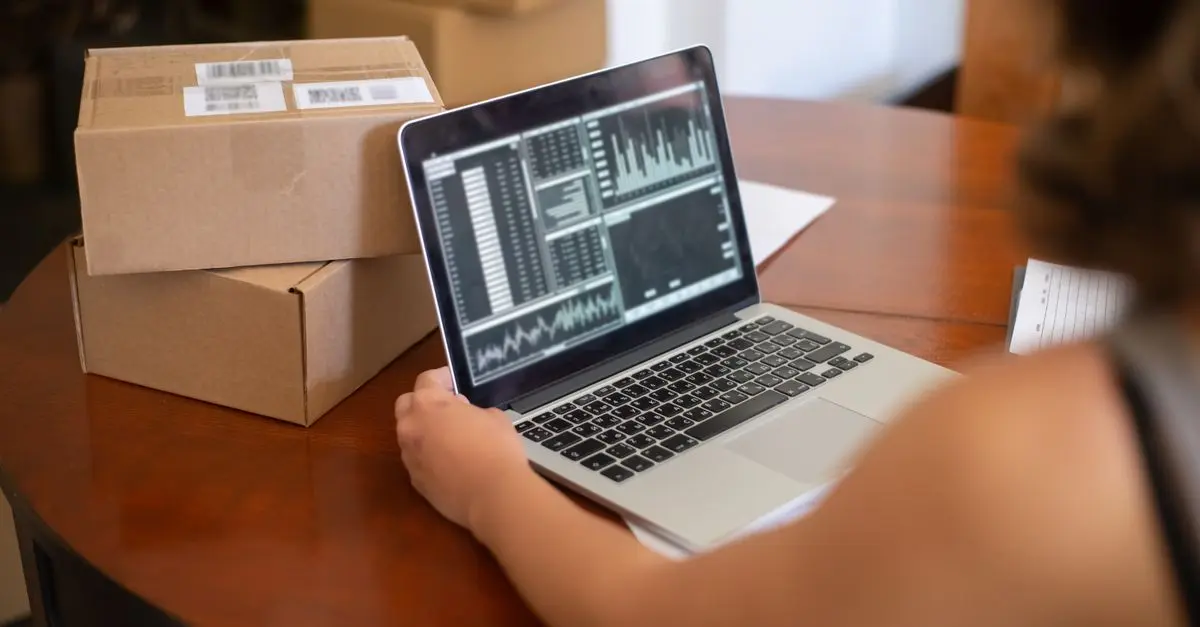
Data analytics refers to the systematic computational analysis of data. In the context of smart shops, it becomes a pivotal resource for insights that can drive operational improvements and customer satisfaction. Essentially, these shops utilize technology to gather and analyze data from various sources, transforming raw data into actionable insights.
The importance of this analysis cannot be overstated. According to data from Gartner (2025), businesses that effectively leverage data analytics improve their decision-making process by nearly 70%. In smart shops, this could translate into enhanced inventory management, personalized marketing strategies, and even improved customer experiences. For instance, using analytics, a smart shop may identify peak shopping times and adjust staffing accordingly, thus optimizing service levels while managing costs.
Moreover, data analytics in smart shops isn't just about understanding the past; it's also about predicting future trends. With the ability to analyze historical purchasing data, smart shops can forecast inventory needs and introduce new products that align with emerging consumer preferences. This predictive capability positions shops to better navigate market fluctuations and consumer demands, thus creating a significant competitive advantage.
Step-by-Step Implementation of Data Analytics
Implementing data analytics in a smart shop involves several crucial steps:
- Identify Goals: The first step is to outline what you aim to achieve with data analytics. Goals might include increasing sales, improving customer retention, or optimizing supply chain operations.
- Data Collection: Gather data from various channels. This could include point-of-sale systems, customer interactions, and online behavior through integrated software solutions.
- Data Cleaning: Clean and organize the data to eliminate inconsistencies. This step is critical, as accurate data is the foundation upon which analytics rests.
- Choose the Right Tools: Utilize analytics tools that fit the shop’s needs. Businesses should consider user-friendliness, integration capabilities, and analytical power.
- Analyze Data: Use statistical methods and algorithms to derive insights from the data. Tools like Google Analytics or Tableau can be invaluable during this phase.
- Implement Insights: Develop strategies based on the findings. For example, if analysis shows a product is underperforming, consider promotional deals or space adjustments.
- Monitor Performance: Continuously evaluate the established strategies to ensure they yield the desired results, and be prepared to make necessary adjustments.
In doing this, smart shops not only enhance their operational efficiency but also create value for customers through more personalized shopping experiences.
Drop Dash Deals Screen Clip Phone Mount, Universal Smartphone Holder Screen Clip Phone Mount, Universal Smartphone Holder
inspireuplift.com

WHALL - 2 Slice Toaster, Toasters 2 slice, Smart Bread Toaster, Touchscreen Toaster wide slots - Stainless Steel
bestbuy.com

Comparing Tools for Data Analytics
When it comes to data analytics, numerous tools are available that cater to the needs of smart shops. Below is a comparison of three popular analytics software options:
| Criteria | Tool A | Tool B | Tool C | Verdict |
|---|---|---|---|---|
| Ease of Use | High | Medium | Medium | Tool A is the winner. |
| Integration | Excellent | Good | Poor | Tool A excels again. |
This comparative analysis showcases not only the differences in price but also functionality that smart shop owners need to consider when selecting a tool for their operations. Choosing the right analytics tool can significantly influence the quality of insights and overall business performance.
Data-Driven Insights: The Importance of Analytics
The significance of data-driven insights cannot be overstated. McKinsey suggests that retail businesses that leverage customer data can see a profit increase of 2.5 times compared to those that do not. For smart shops, utilizing data analytics introduces a level of operational intelligence that boosts performance outcomes.
Moreover, analytics can enhance customer service. By understanding customer behaviors through data collection and analysis, smart shops can tailor their offerings and communications. For example, a shop might discover that most of their customers prefer certain product lines, enabling tailored marketing campaigns that resonate with their audience.
From optimizing inventory based on predictive analytics to improving customer interactions via tailored experiences, the strategic use of data could redefine shopper engagement entirely. Data isn't just numbers; it’s the heartbeat of decision-making in smart shops.
💡 Expert Opinion: Implementing data analytics is no longer optional for smart shops; it's a necessity. Without it, businesses risk falling behind in an increasingly competitive environment. Having seen businesses transform their approach to customer relationships through data-driven insights, I recommend prioritizing this implementation.
FAQs on Data Analytics in Smart Shops
How does data analytics improve sales in smart shops?
Data analytics helps smart shops identify trends and customer preferences, allowing for targeted marketing campaigns that drive sales.
What tools are essential for implementing data analytics?
Key tools include analytics platforms like Google Analytics, Tableau, and Power BI, which help derive insights from raw data.
Is data analytics expensive for small smart shops?
While some tools can be costly, there are many affordable options available that provide excellent functionalities.
How can I start using data analytics?
Begin by identifying specific goals, collecting relevant data, and utilizing user-friendly analytics software to gain insights.
Glossary
| Term | Definition |
|---|---|
| Data Analytics | The process of systematically analyzing data to gain insights. |
| Smart Shop | A retail establishment that utilizes technology and data analysis to enhance operations. |
| Predictive Analytics | A method that uses historical data to forecast future outcomes. |

Smart Smartphone Case - For Samsung Galaxy XCover6 Pro Smartphone - Black
bestbuy.com

MOVO - PR-1 Smartphone Grip Handle Rig - Compatible with Most Smartphones
bestbuy.com

Movo PR-1 Smartphone Grip Handle Rig - Compatible with Most Smartphones black
shop.simon.com
Checklist before purchase
- [ ] Define analytics goals.
- [ ] Collect comprehensive data.
- [ ] Clean and organize data.
- [ ] Evaluate potential analytics tools.
- [ ] Test selected tools with trial versions.
🧠 Quick Quiz: What is the main benefit of using data analytics in smart shops?
- A) Reducing staff
- B) Enhancing customer experience
- C) Increasing product prices
Answer: B — Analyzing data helps identify customer preferences, leading to better experience.
📺 For further exploration: Understanding Data Analytics in Retail for an in-depth analysis of how data analytics can revolutionize the retail sector. Search on YouTube: "importance of data analytics in smart shops 2026".
📺 Pour aller plus loin : importance of data analytics in smart shops 2026 sur YouTube
Recommended products
Selected by our experts