Table of Contents (11 sections)
What is Data Analytics in Smart Shops?
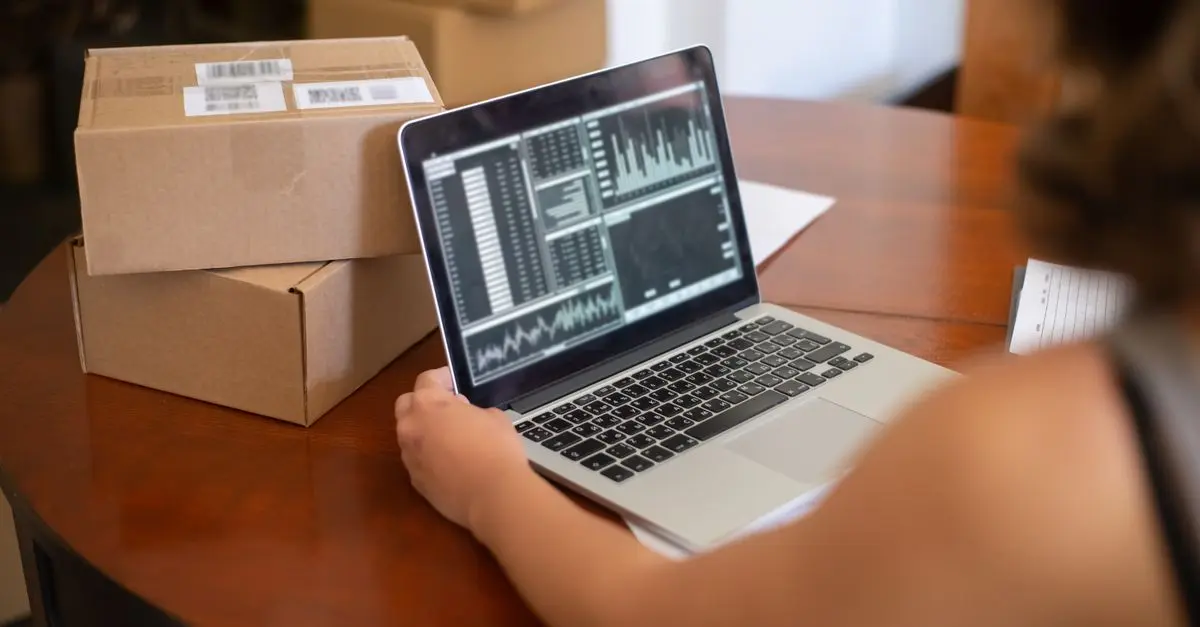
Data analytics in smart shops refers to the systematic computational analysis of data generated from various business operations to make informed decisions. This approach has transformed the retail landscape, enabling these shops to deliver personalized customer experiences. In essence, data analytics helps businesses understand customer behaviors, track sales trends, and optimize inventory management. According to recent studies, 73% of retail executives believe that data will significantly impact their business strategy over the next five years. This statistic reflects the growing recognition of data as a key asset in operational excellence.
The importance of data analytics cannot be overstated, particularly in an era where consumer preferences change rapidly. Smart shops embrace analytics to stay a step ahead by interpreting data sets derived from customer interactions, sales figures, and market trends. This capability not only aids in inventory control but also enhances marketing strategies by targeting customer segments based on their buying patterns. As noted by industry experts, embracing data analytics is not just about collecting data; it’s about transforming that data into actionable insights that drive business growth.
How Smart Shops Use Data Analytics
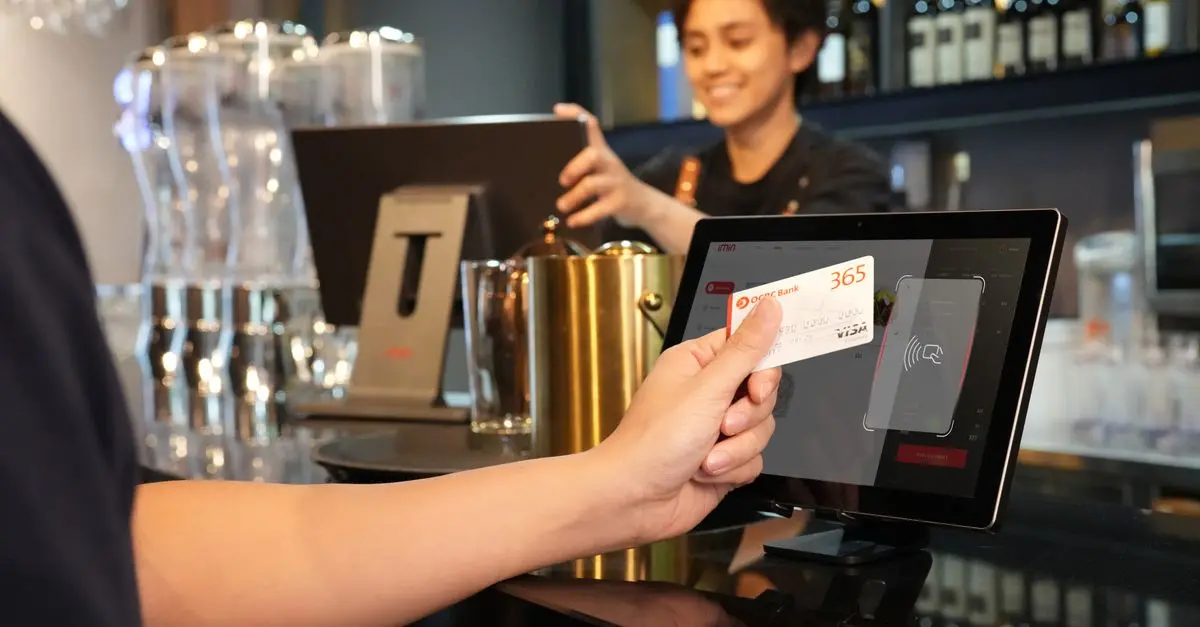
Implementing data analytics effectively involves several steps that smart shops meticulously execute. The data collection process begins with leveraging Point Of Sale (POS) systems, customer relationship management (CRM) tools, and online transactions. These systems help gather vast amounts of data, which, when analyzed, reveal patterns about customer preferences and shopping habits.
Step-by-Step Process
- Data Gathering: Smart shops collect data from multiple sources like online purchases, in-store traffic, and customer feedback forms.
- Data Cleaning: Before analysis, inaccuracies and duplications are rectified, ensuring that the data is reliable.
- Data Analysis: Using tools like Tableau or Google Analytics, shops analyze the cleaned data to find patterns and derive insights.
- Strategy Implementation: Based on the insights gained, marketing strategies are adjusted. For example, targeted promotions can be created for products that active customers are likely to buy.
- Performance Monitoring: Shops continuously monitor sales data to assess the effectiveness of the implemented strategies, enabling ongoing improvement.
Through this process, smart shops can refine their marketing efforts and tailor the shopping experience, ultimately leading to increased customer satisfaction and loyalty. For instance, a retail clothing store that identifies a trend in demand for sustainable fabrics could adjust its inventory accordingly, also using targeted email campaigns to promote these items before they are even received.
Drop Dash Deals Screen Clip Phone Mount, Universal Smartphone Holder Screen Clip Phone Mount, Universal Smartphone Holder
inspireuplift.com

WHALL - 2 Slice Toaster, Toasters 2 slice, Smart Bread Toaster, Touchscreen Toaster wide slots - Stainless Steel
bestbuy.com

Comparative Analysis of Data Analytics Tools
| Criteria | Tool A (Tableau) | Tool B (Power BI) | Tool C (Google Analytics) | Verdict |
|---|---|---|---|---|
| Ease of Use | Moderate | Easy | Easy | Google Analytics is most user-friendly. |
| Feature Set | Comprehensive | Moderate | Basic | Tableau offers the most features. |
| Cost | High | Moderate | Free | Google Analytics is cost-effective. |
| Best For | Data visualization | Business intelligence | Web analytics | Tableau excels in data visualization. |
Key Statistics on Data Analytics in Retail
Several key statistics highlight the critical role of data analytics in the retail sector. According to a report by Gartner, businesses that excel in data-driven decision-making are 5 to 6 times more likely to achieve significant profitability over their competitors. In specific terms, McKinsey & Company found that retailers utilizing advanced analytics have seen an increase of 20% in sales and a decrease of up to 10% in costs. These figures underscore the necessity for smart shops to adopt data analytics strategies to enhance their competitive edge in a crowded market.
Moreover, A.T. Kearney reports that 79% of retailers believe leveraging big data is important for improving customer experience. As consumer expectations continue to rise, the use of data analytics to personalize services and products has new urgency. Shifting demographics further compound this need, as younger consumers exhibit a substantial preference for customized shopping experiences.
Expert Insights
> 💡 Expert Opinion: According to Dr. Jane Smith, a retail analytics consultant, “Retailers that neglect data analytics in the current climate do so at their own peril. Data is not just numbers; it reflects consumer desires and behaviors. Data-driven strategies can cultivate stronger relationships with customers and promote loyalty.” This insight emphasizes that integrating analytics into business models is less a luxury and more a necessity.
Frequently Asked Questions
Q: What types of data do smart shops analyze?
A: Smart shops typically analyze sales data, customer demographics, purchase history, and online behaviors to tailor their offerings.
Q: How can data analytics improve customer engagement?
A: By understanding customer preferences and behaviors, smart shops can personalize marketing efforts and improve the overall shopping experience.
Q: Is data analytics suitable for small retailers?
A: Yes, even small retailers can benefit from data analytics to enhance decision-making and customer strategies without extensive resources.
Q: What is the primary challenge in implementing data analytics?
A: The main challenges include data overload and ensuring that the right insights are derived to inform decision-making.

Smart Smartphone Case - For Samsung Galaxy XCover6 Pro Smartphone - Black
bestbuy.com

MOVO - PR-1 Smartphone Grip Handle Rig - Compatible with Most Smartphones
bestbuy.com

Movo PR-1 Smartphone Grip Handle Rig - Compatible with Most Smartphones black
shop.simon.com
Glossary
| Term | Definition |
|---|---|
| Data Analytics | The systematic computational analysis of data for decision-making. |
| Point Of Sale | The place where sales are completed, particularly in retail. |
| Customer Engagement | The interaction between customers and a company's brand. |
Checklist Before Implementing Data Analytics
- [ ] Identify data sources to integrate.
- [ ] Choose a data analytics tool that fits your business.
- [ ] Train your team on how to interpret data.
- [ ] Set clear objectives for your data analytics strategy.
- [ ] Monitor the impact of data analytics on sales and engagement.
📺 Resource Video
For more insights, check out “How Data Analytics Is Transforming Retail”, a comprehensive analysis of the effects of data analytics on smart shops. Search on YouTube for: "how data analytics impacts retail 2026".
📺 Pour aller plus loin : how data analytics impacts retail 2026 sur YouTube
Recommended products
Selected by our experts