Table of Contents (10 sections)
In today's rapidly evolving retail landscape, smart shops are setting a new standard for customer satisfaction and engagement. These innovative stores leverage cutting-edge technologies to enhance shopping experiences, streamline operations, and create personalized interactions. As we dive deeper into the smart shop world, it's essential to understand how these establishments are rewriting the rules of retail.
What Are Smart Shops?
Smart shops are retail stores that incorporate modern technologies such as the Internet of Things (IoT), artificial intelligence (AI), and data analytics to improve customer experiences. Their emergence is not merely a trend; it's a response to changing consumer expectations. According to a recent survey by Statista (2025), 67% of customers prefer shopping in stores that offer connected experiences.
The core concept behind smart shops revolves around creating a seamless integration between digital and physical spaces. This includes advanced technologies such as:
- Smart shelves equipped with sensors that track inventory in real-time.
- Mobile apps that provide personalized promotions to customers upon entering the store.
- AI chatbots for customer service support, offering tailored product recommendations.
By engaging customers with these innovations, smart shops are not just selling products; they are crafting experiences that foster loyalty and drive sales. As competition intensifies, retailers adopting smart shop concepts gain a significant advantage.
Steps to Implement Smart Shop Technologies
Implementing smart technologies in retail requires a thoughtful approach. Here’s a step-by-step guide:
- Analyze Customer Needs: Understand what your customers desire in a shopping experience.
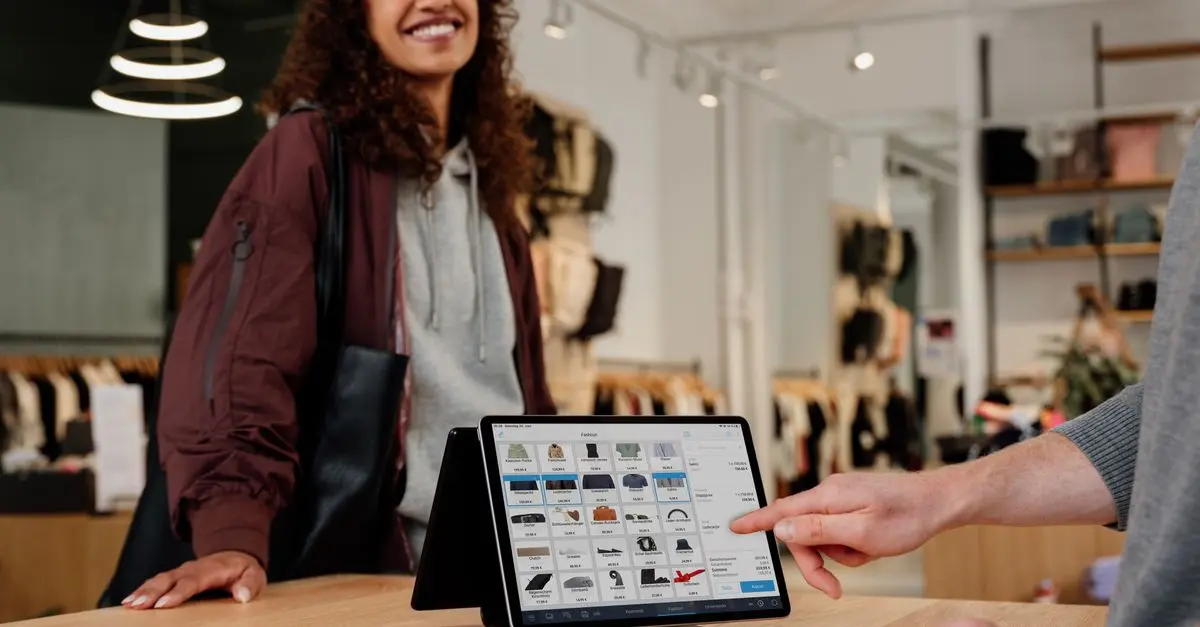
- Select the Right Technologies: Choose tools that align with your business goals and customer expectations, such as smart checkout systems or in-store analytics.
- Train Your Staff: Ensure employees are well-versed in using smart technologies to assist customers effectively.
- Engage Customers: Promote new features through marketing and in-store demonstrations to inform your audience.
- Gather Feedback: Utilize customer feedback to continually enhance and refine the smart shopping experience.
Retailers like Walmart and Amazon Go have illustrated the successful implementation of these technologies, leading to increased customer satisfaction and reduced operational costs.

Combo Retail Shop Ceiling Fan Lighting, Modern Ceiling Mount, Dimmable Light, Smart LED, Remote Control, Adjustable Color Temperature, white 30w 42cm
inspireuplift.com

WHALL - 2 Slice Toaster, Toasters 2 slice, Smart Bread Toaster, Touchscreen Toaster wide slots - Stainless Steel
bestbuy.com
Comparative Analysis of Traditional vs. Smart Shops
| Criteria | Traditional Shops | Smart Shops | Verdict |
|---|---|---|---|
| Customer Engagement | Passive (browsing) | Interactive (personalized) | Smart shops excel |
| Inventory Management | Manual and reactive | Automated and proactive | Smart shops prevail |
| Data Analysis Capability | Limited insight | Extensive analytics through AI | Smart shops lead |
| Checkout Experience | Manual and slow | Fast with automated systems | Smart shops faster |
Traditional shops face challenges in keeping up with the evolving preferences of consumers. Smart shops, on the other hand, harness technology to stay ahead, making them more efficient and customer-friendly.
Key Trends in Smart Retailing
As we delve into the trends that will shape the future of smart shops, several noteworthy developments stand out:
1. Omnichannel Shopping Integration
Today’s shoppers expect a seamless experience across all channels—online and offline. Smart shops are implementing integrated systems that allow customers to check product availability online, order for pick-up, or shop in-store.
According to McKinsey (2025), businesses that excel in omnichannel strategies see customer retention rates increase by as much as 30%.
2. Personalized Shopping Experiences
Utilizing AI-driven data analytics, smart shops customize promotions and recommendations suited to individual customers. This trend not only increases sales but enhances brand loyalty. A report by Gartner (2025) found that 58% of consumers are more likely to purchase from brands that provide personalized experiences.
3. Sustainable Practices
Consumers are increasingly concerned about sustainability. Smart shops are addressing this by incorporating eco-friendly practices and products. For instance, shoppers are now presented with digital choices about sustainable product options, greatly influencing their buying decisions.
4. Enhanced In-Store Technology
From augmented reality (AR) fitting rooms to virtual assistants, in-store technologies are elevating customer experience. AR allows customers to virtually
📺 Pour aller plus loin : smart shops technology trends 2026 sur YouTube
Recommended products
Selected by our experts

Smart Smartphone Case - For Samsung Galaxy XCover6 Pro Smartphone - Black
bestbuy.com
Smart Shopping Spot CD Slot Car Mount, Universal Car Mount For Tablet, Phone Holder For Smartphone CD Slot Car Mount, Universal Car Mount For Tablet,
inspireuplift.com