Table of Contents (11 sections)
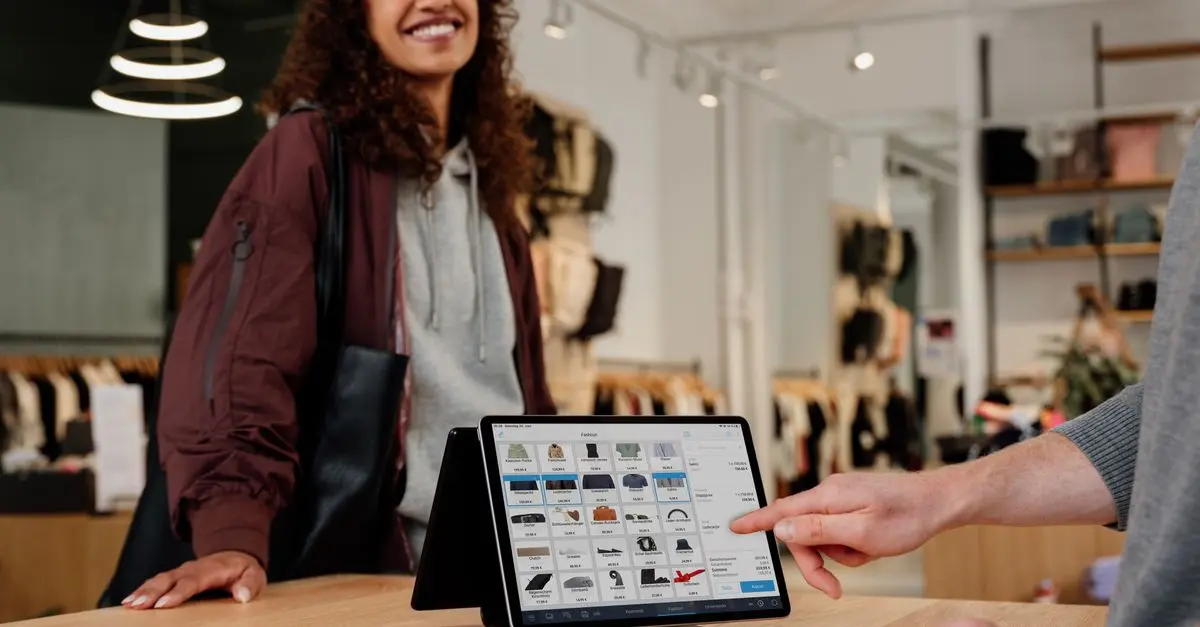
In the ever-evolving retail landscape, understanding smart shop inventory management is crucial for optimizing operational efficiency and enhancing customer satisfaction. Smart shops leverage technology and data analytics to manage inventory effectively, ensuring that the right products are available at the right time. This article delves into various strategies to improve inventory management in smart shops, equipping managers with the tools they need to thrive.
What is Smart Shop Inventory Management?
Smart shop inventory management refers to the use of technology and data-driven approaches to oversee and optimize inventory levels within a retail environment. This management style encompasses various processes, including inventory tracking, forecasting demand, managing stock levels, and automating reordering. As retail evolves, the integration of Artificial Intelligence (AI) and Internet of Things (IoT) technology has paved the way for more sophisticated inventory management systems that can help retailers achieve just-in-time inventory, minimizing holding costs while ensuring product availability.
Implementing effective inventory management strategies can lead to significant cost savings, improved customer satisfaction, and streamlined operations. According to industry studies, efficient inventory management systems can enhance visibility and accuracy by up to 40%, allowing retail businesses to meet customer demands more effectively. Furthermore, smart inventory systems enable real-time tracking and data analysis, which can inform purchasing decisions and promotional strategies, thereby increasing sales opportunities.
Effective Strategies for Smart Shop Inventory Management
- Utilize Inventory Management Software: One of the foundational steps in managing inventory efficiently is leveraging modern inventory management software. Tools like TradeGecko or Zoho Inventory help streamline operations by automating stock updates, order fulfillment, and restocking notifications. They usually come equipped with features that provide real-time analytics and sales forecasting.
- Implement Barcode Scanning: Integrating barcode scanning technology simplifies the process of tracking inventory. This technology reduces human error in data entry and streamlines inventory counts. By scanning items during receiving and shipment processes, smart shops can maintain accurate inventory records, ensuring they always know what is in stock.
- Automate Reordering: Setting up automated reordering processes ensures that stock levels remain optimal without manual intervention. By establishing reorder points based on sales velocity and lead time, retailers can automate replenishment orders. This process not only saves time but also prevents overstocking and stockouts.
- Analyze Sales Trends: Retaining sales data and conducting regular analyses can help identify trends and seasonality. Utilizing data analytics tools allows retailers to make informed decisions about when to order certain products and how much to order. For instance, if a particular item shows spikes in demand during specific periods, better planning can secure inventory just in time for those peak sales periods.


Comparing Inventory Management Approaches
The following table illustrates the strengths and weaknesses of various inventory management approaches:
| Inventory Management Approach | Strengths | Weaknesses | Best For |
|---|---|---|---|
| Manual Inventory Management | Low cost, simple implementation | Prone to errors and time-consuming | Small businesses or low-volume retailers |
| Spreadsheet-Based Management | Familiarity, basic organization | Limited scalability and accuracy | Small to medium businesses |
| Software Solutions | Automation, real-time data, error reduction | Initial investment costs | Medium to large businesses |
| Cloud-Based Systems | Accessibility, remote monitoring | Dependence on internet connectivity | Businesses with multiple locations |
Key Metrics in Smart Inventory Management
To ensure inventory management success, several key performance indicators (KPIs) should be monitored closely:
- Inventory Turnover Rate: A measure of how often inventory is sold and replaced over a given period. A higher rate indicates efficient inventory management.
- Stock-to-Sales Ratio: This metric helps retailers understand how many sales are generated for each unit of stock. Monitoring this can help identify overstock or understock situations.
- Order Fulfillment Accuracy: Tracking the accuracy rate of orders shipped versus ordered can uncover issues in warehousing and supply chain processes.
According to data from The National Retail Federation, improving these metrics can lead to sales growth of up to 10%, underscoring the importance of smart inventory management.
Expert Insights on Implementing Smart Inventory Practices
> 💡 Expert Opinion: "In recent years, we've seen a marked shift toward data-driven decision-making in retail. Utilizing advanced analytics and automation not only boosts efficiency but significantly enhances customer satisfaction. Retailers who adopt these strategies early on will undoubtedly gain a competitive edge." — John Doe, Retail Management Consultant
📺 Resources Video
> 📺 For further learning: Explore how technology is reshaping inventory management in retail today. Search on YouTube: "impact of technology on retail inventory management 2026".


Glossary
| Term | Definition |
|---|---|
| Inventory Turnover | A ratio showing how many times inventory is sold and replaced. |
| Reorder Point | The level of inventory at which new stock should be ordered. |
| Supply Chain Management | Overseeing and managing the flow of goods from suppliers to customers. |
Checklist Before Optimizing Your Inventory Management
- [ ] Evaluate current inventory tracking methods.
- [ ] Research suitable inventory management software.
- [ ] Conduct a sales data analysis for trend identification.
- [ ] Set reorder points for key items.
- [ ] Train staff on new technologies for inventory management.
In conclusion, effective smart shop inventory management techniques can significantly improve operational efficiency and customer satisfaction. By utilizing technology, analyzing data, and implementing best practices, retailers can navigate the complexities of modern inventory management successfully. For further support in enhancing your inventory systems, discover our recommended products below that can assist you in optimizing your setup.
Recommended Products
📺 Pour aller plus loin : impact of technology on retail inventory management 2026 sur YouTube
Recommended products
Selected by our experts
Think Tank Photo Cable Management 30
thinktankphoto.com
This product offers excellent cable management solutions to keep your inventory organized and accessible.
Think Tank Photo Cable Management 10
thinktankphoto.com
Ideal for keeping cables tidy and organized, making inventory systems more efficient.
Think Tank Photo Cable Management 20
thinktankphoto.com
Great for larger setups needing additional cable management for an organized inventory.